Faithful followers of this blog may remember a post from a couple of years ago describing our visit to the Christmas market at the National Stud stables in Lamballe. On that occasion we had gone straight to the stable complex itself. There was a lot to do and see there – not least of which was fulfilling our Breton civic duty to devour sausage gallettes – so our entire focus was on the market. But, surely, there is more to Lamballe than a collection of beautiful horses, some vintage barns and ginormous mounds of manure? Right?
Well, we thought that the town deserved a more expansive visit. Cherie’s mother Valerie was still visiting us so this was the perfect time to embark on our return sojourn to stud town. Together, the three of us rolled down to Rennes and then northwest on the RN12 (E50) autoroute directly through to the heart of Côte d’Armor’s interior wherein sits Lamballe.
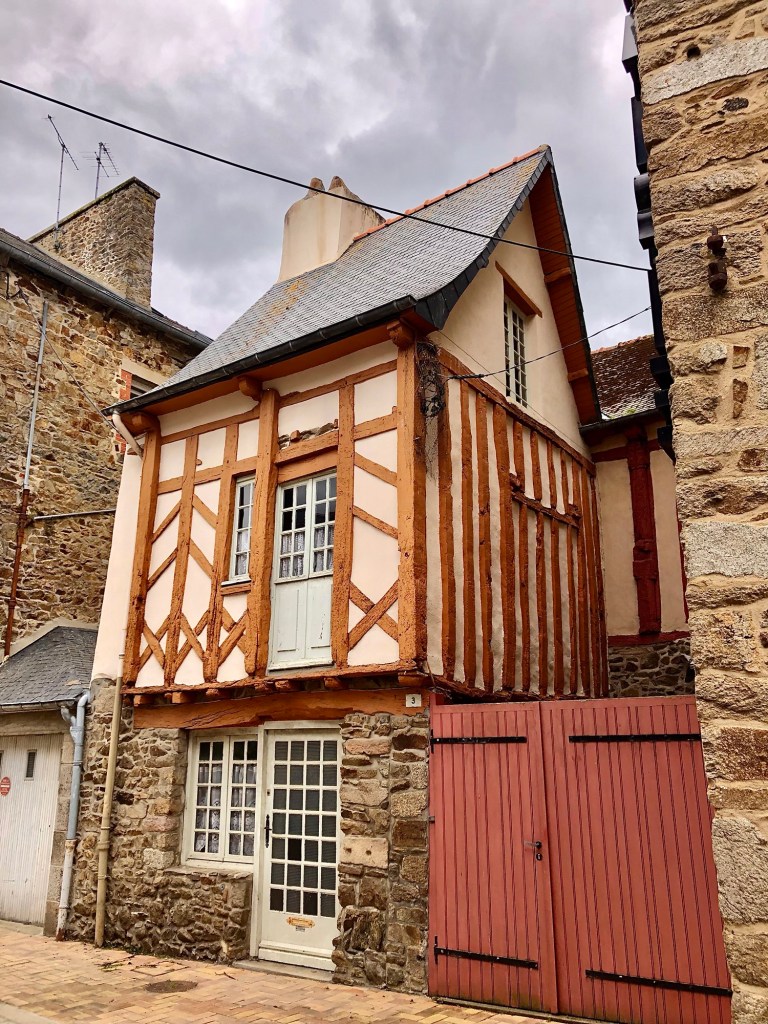
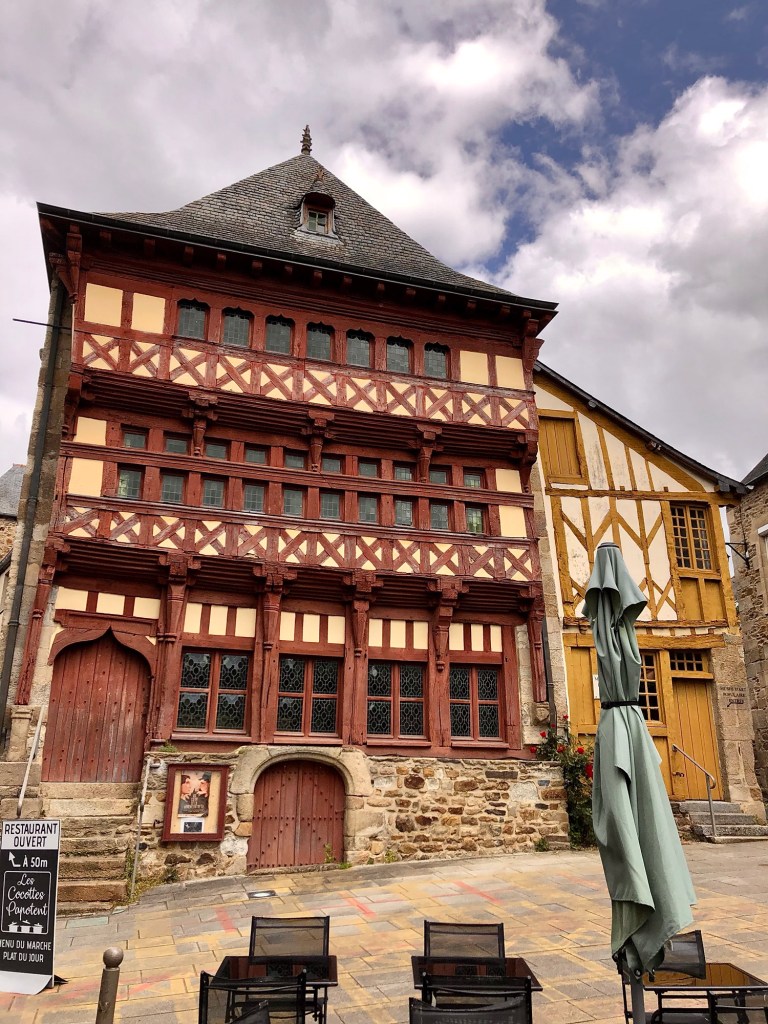
It’s an old town. Not like American “old” where a settlement founded in the 18th century is considered ancient. Nope, this place is proper old. Habitation in this area is at least from the Bronze Age, and Lamballe itself is first mentioned in a document from 1084. And the town shows its age in the most wonderful way. Centre-ville is well-supplied with lovely old buildings overhanging narrow streets. These ancient rues join up with charming, cobbled squares around which are huddled many independent restaurants, cafés and shops.
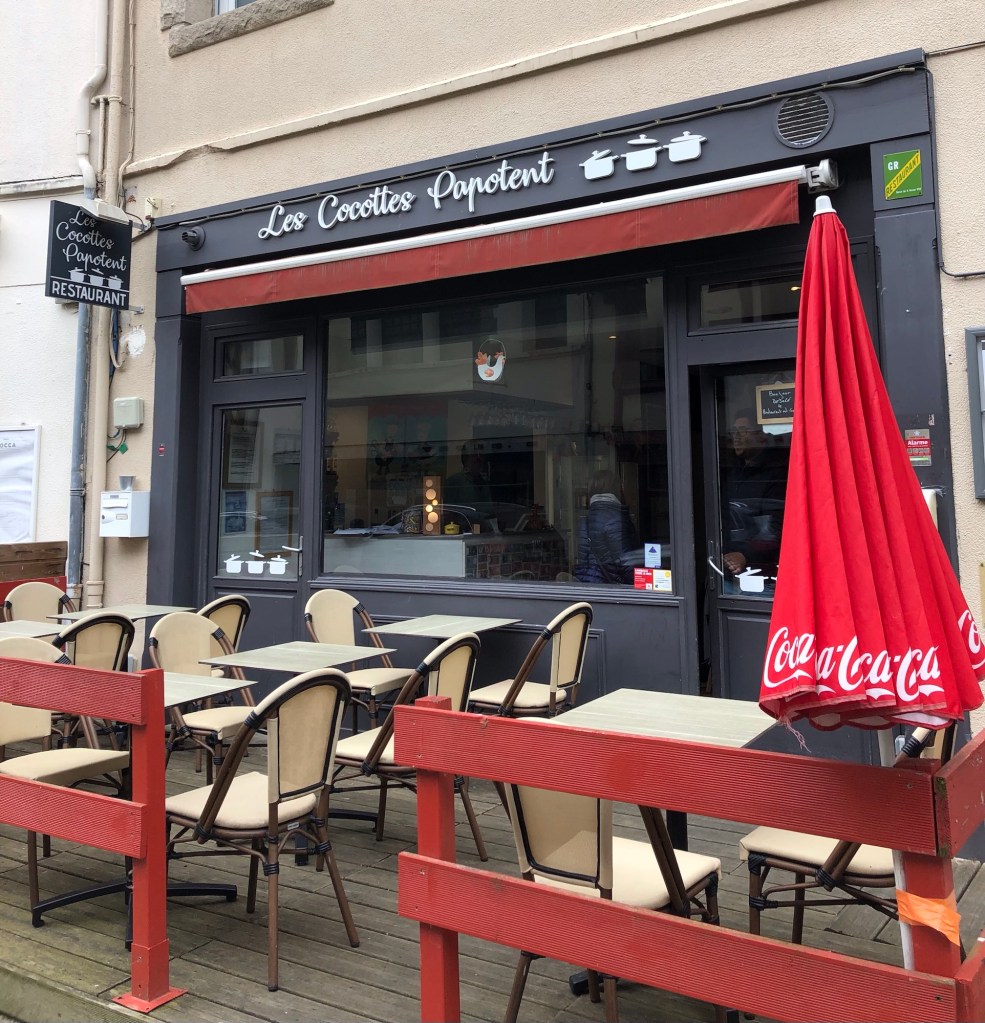
As is most often the case we arrived hungry. So we ducked in for some lunch at a nice little restaurant called Les Cocottes Papotent. A lively little place, our host was welcoming and we all had a great meal. It was clearly a local go-to for lunch. I recommend it if you’re in town. [Paid advertisement? Sadly, no.]
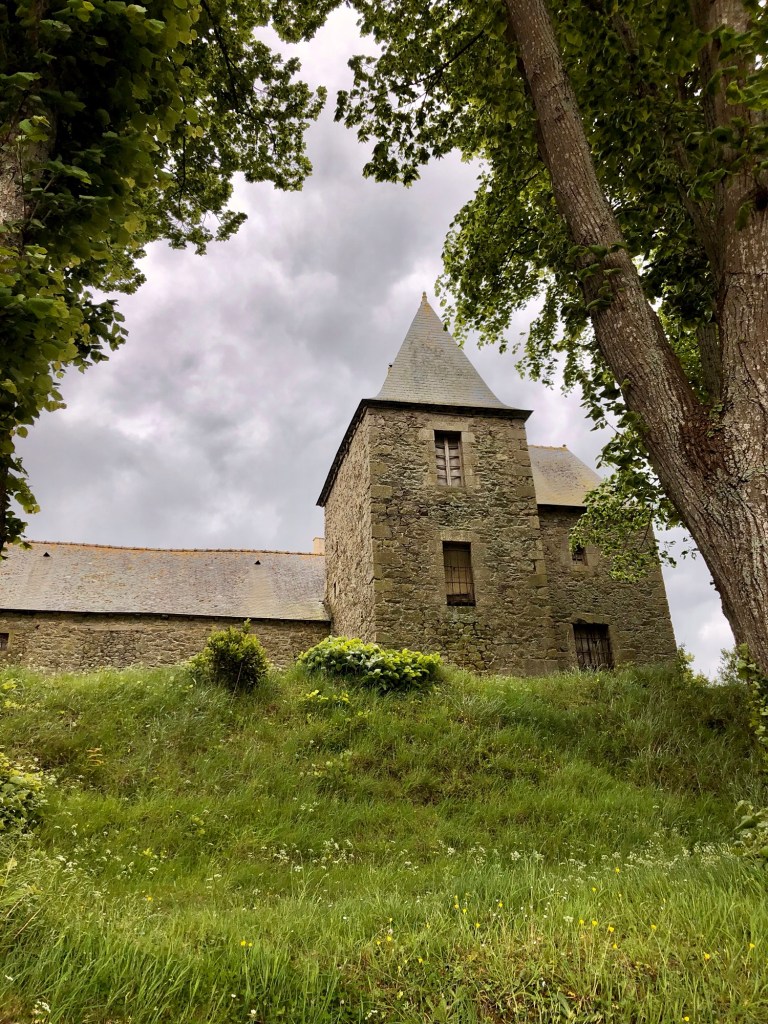
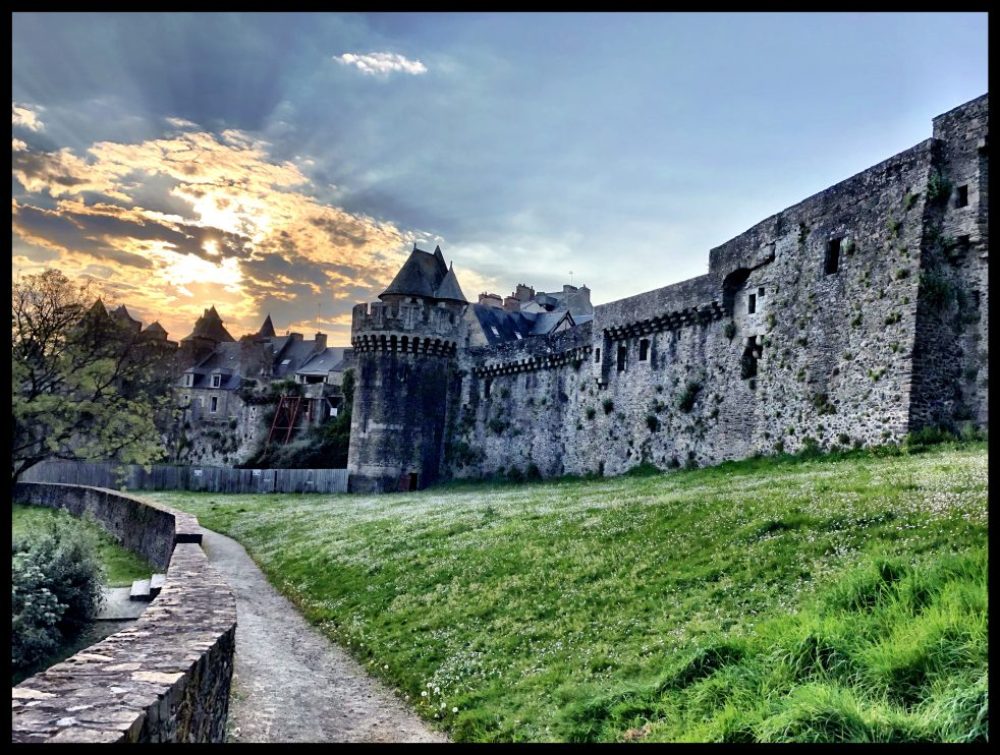
We followed our instincts, enjoying the architectural highlights of the old center as we found ourselves gently climbing to the summit of the rise. There used to be a powerful castle at the top with a town growing up around it, tumbling down the slopes to a lazy river (Le Gouessant) where the tanners plied their trade. The hilltop makes for a tranquille walk amongst the tree-lined promenade and the few remaining old stone buildings there. It also gives a view over the town, amplified by the chirping of songbirds and the sounds of scores of schoolchildren playing somewhere in the town below. Reassuring sounds, to my mind.
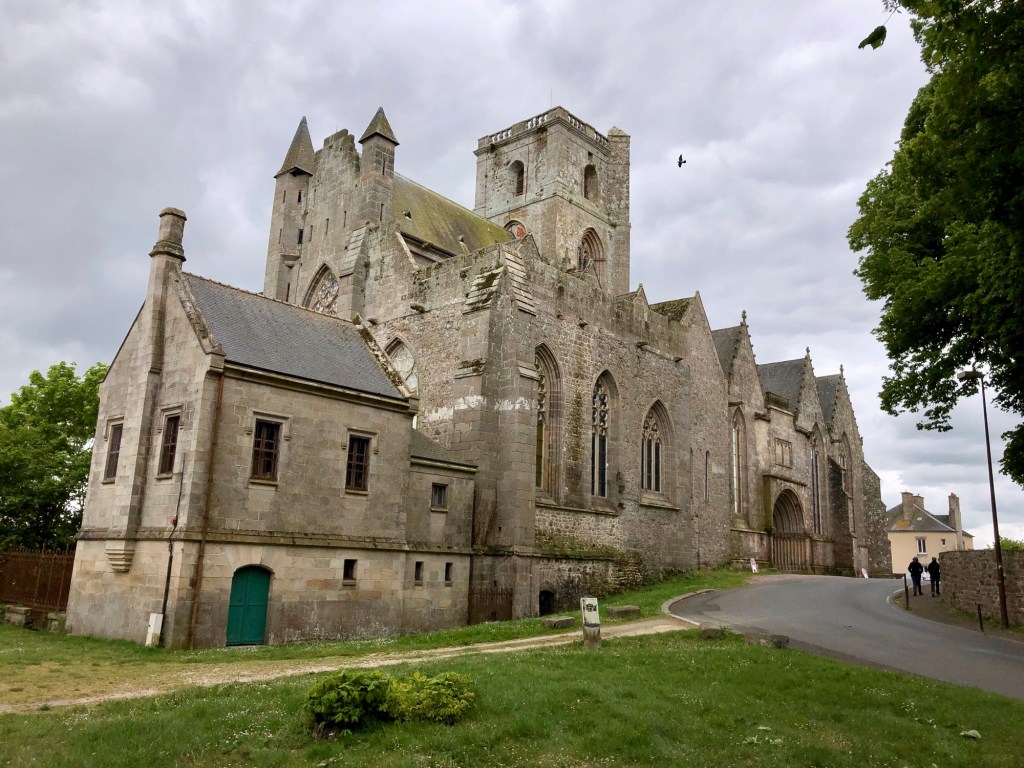

Cardinal Richelieu of The Three Musketeers fame is said to have put an end to Lamballe’s castle. He did that a lot. Now, only the chapel of the complex remains in the form of the collegiate church of Notre Dame. The church is somewhat unusual in form, probably because it is the fragmented remains of a once-larger complex. Even Napoleon’s minions had a go at it in the early 19th century. But it is certainly worth a visit, containing some interesting features and displaying lovely examples of gothic architectural wood carving.

Walk down to the riverside and you will find a trail which meanders pleasantly through parkland. It affords views of a series of charming, if sometimes quirky, lavoirs – wash houses where the townspeople did their laundry in the waters of the river. Who knew that laundry could be so visually stimulating?
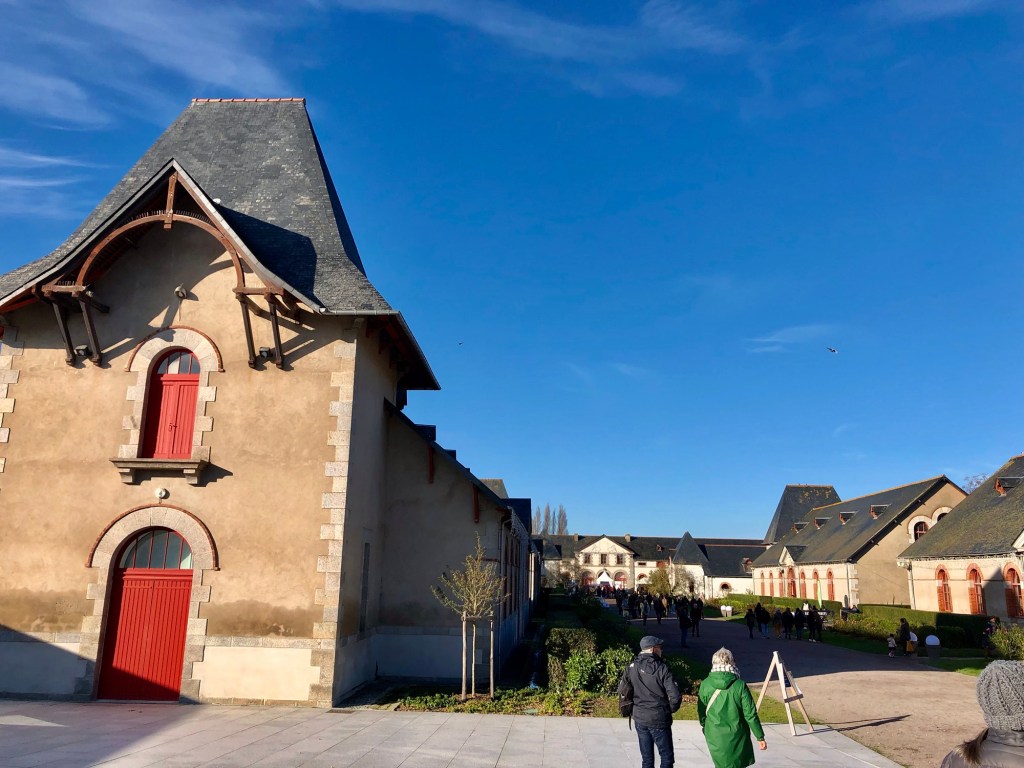
The National Stud looms large in Lamballe. It sits prominently in the middle of town, after all. It, too, makes for an enjoyable stroll. There’s something calming, soothing about horse barns. They specialize in raising and training the Breton and Postier Breton breeds here. And they are magnificent creatures. During the high season there are regular shows displaying the majesty, power and grace of these and other breeds. Carriage rides are also available as well as tours of the facilities – it’s the perfect chance to practice your royal wave.
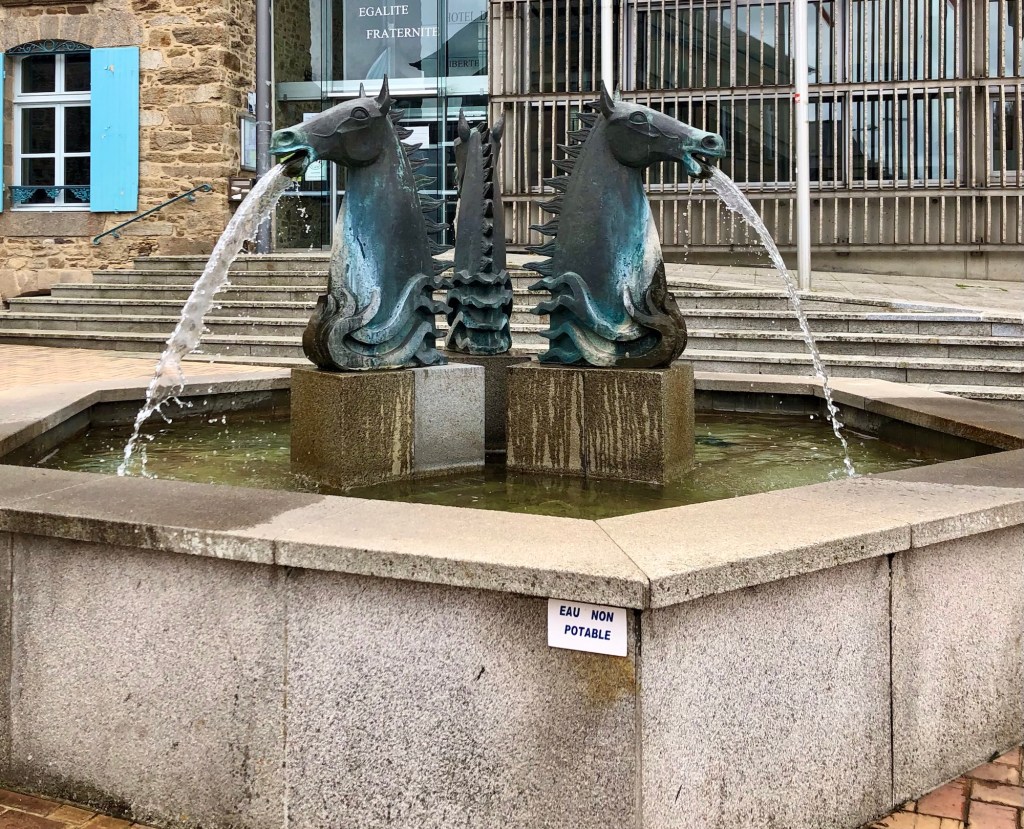
Seeking the ever-popular bathroom break, we ducked in to Lamballe’s clean, swanky, modern tourist office located just within the grounds of the National Stud. It feels more like a museum shop than a tourist office. That’s probably because it also serves as the entrance to the Mathurin Méheut museum of art. For those of you a bit rusty on your fine arts connoisseurship, Méheut was an early 20th century French painter, ceramicist, engraver and etcher. His loose, sketchy style remains popular and a slick, new gallery houses a collection of his works as well as exhibitions of other contemporary pieces. [Prints, coffee mugs, pencils, calendars, notebooks – a wide variety of commercial schlock is, of course, available in the shop.]

We had a very nice time in Lamballe. A reboot in this lovely old town was definitely worthwhile. It proved to us that this place is no one-trick-pony. If you visit (easy by car, or by TGV train with a stop in town), veer off from the horse barns for an hour or two to wander the picturesque views, streetscapes and shops that Lamballe has to offer. Your soul will thank you.

 Finding Our France