A Sobering Day on the Beaches of Normandy


It’s April and we have visitors. First to arrive was Cherie’s mother Valerie. She comes every year, flying in from her home in the northwest of the United States, and it’s always a joy to have her with us. Val also visits her daughter Kasi and granddaughter Finn in South Africa once a year. Just thinking about doing those flights makes me exhausted. Ugh! I don’t know how she does it, but we are grateful that she does.

As a bonus, our good friends from Seattle are visiting France and they are spending a few days hanging out with us as well. How lucky we are! You may remember from an earlier post that they had visited us not long after we moved to France. They, too, have discovered how wonderful this country is. Together, the five of us have been stuffing ourselves into one of our small cars and exploring the area. When we arrive somewhere and the doors fly open, it looks like a clown car in the circus as we pile out.
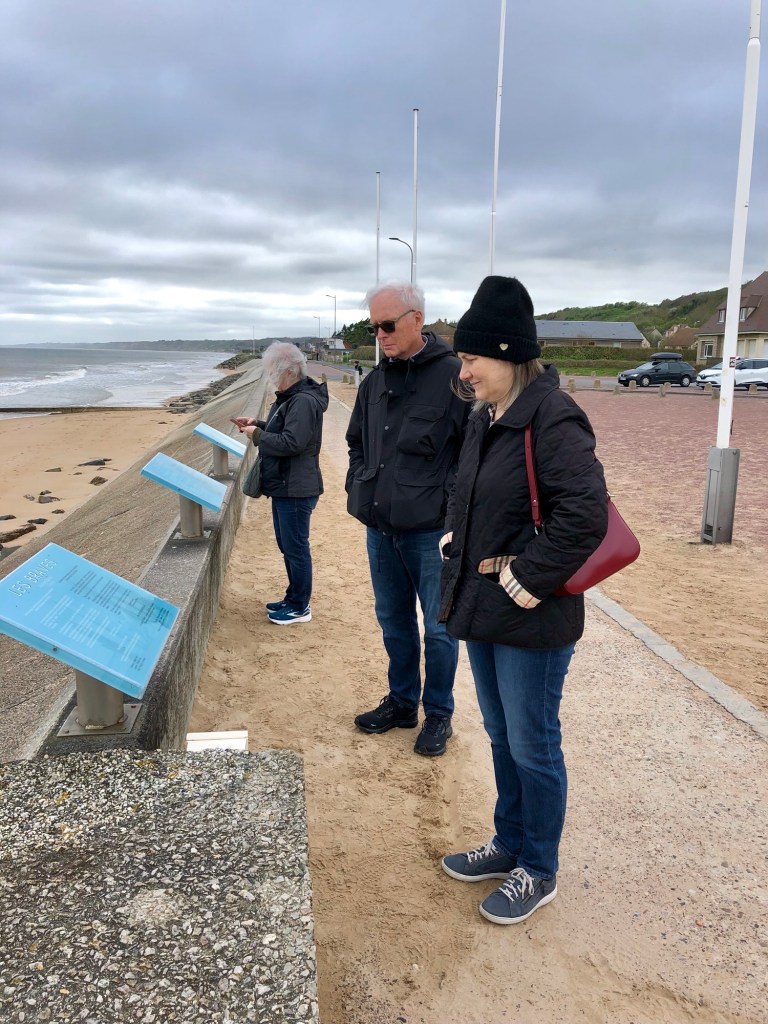
Shereen, Larry and Cherie On the Promenade of Omaha Beach

This day, we all decided that a visit to the D-Day beaches of Normandy would be a worthwhile goal. None of us had ever been to see them. I am a bit ashamed to say that I had been avoiding it even though the site is less than a two-hour drive northwest from Fougères. This is mostly because I knew it would be a very emotional thing for me. Even though I have no personal connection to the events that took place there, the D-Day landings have always figured large in my imagination – both as a representation of the supreme humanity of the men who braved that assault, as well as the absolute horror of their experiences during that effort. It shakes me to my core just to think of it. Nevertheless, we all owe it to those who struggled at such personal cost against tyranny and hatred to remember why they so selflessly cast themselves into peril.

One of the Many D-Day Monuments

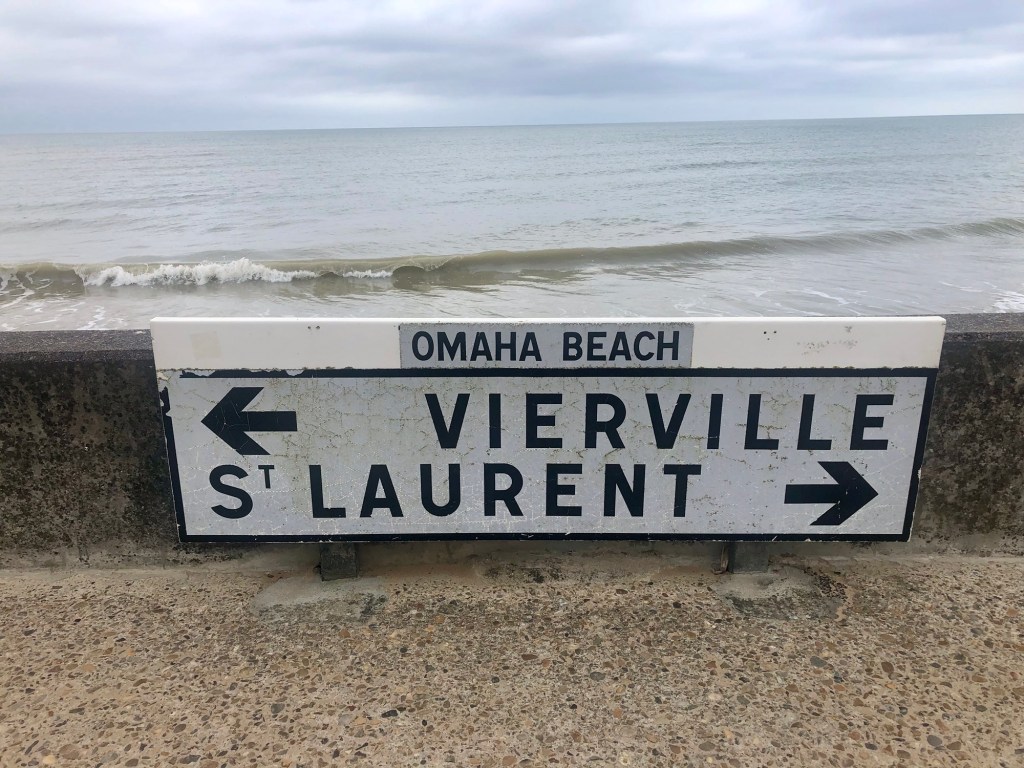
We first made our way to Omaha Beach, one of two sectors assaulted by American forces as part of the assault on the Atlantic Wall – a series of fortifications which Hitler’s military had raised to defend the Western European territories they had seized. At first glance, it looks like any other beach in Normandy. Long stretches of sand periodically interrupted by sheer bluffs jutting out into steel-grey waters. But look a little closer and you begin to notice markers along the promenades, in the waters and upon the bluffs. Silent memorials – from small plaques, to towering obelisks – telling of the momentous events which occurred on these shores.
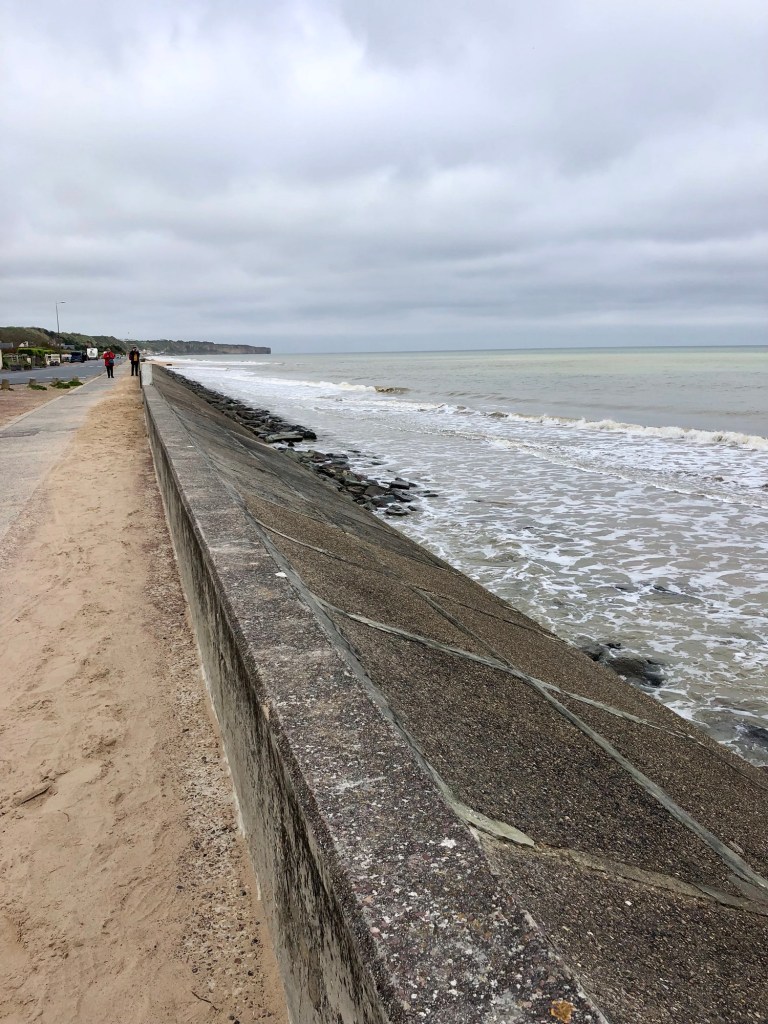
High Tide Scouring Omaha Beach

The landing beaches are somber places, heavy with the pall of countless tragedies. I found that, almost immediately, I had to separate myself from the others as tears welled up in my eyes. The countless photographs and newsreel footage accumulated over a lifetime of reading and watching documentaries about D-Day assaulted my imagination. The cold sadness of all the humanity wasted upon these shores cannot be avoided. Nor should it be. It’s just too important.

But there is also a certain energy in these places, echoes of almost unimaginable courage, of indefatigable determination which thrum and vibrate through your body with each crashing wave as though the landing craft are still ramming the beaches. As much as I mourn the carnage that was wrought, I also cannot help but marvel at the innumerable acts of superhuman resolve and ingenuity that allowed the Americans and their British and Canadian allies to push forward against such withering defenses. Seeing the ocean, the beaches and the cliffs in person brings an entirely new appreciation of the achievements wrought on that day and the days which followed.
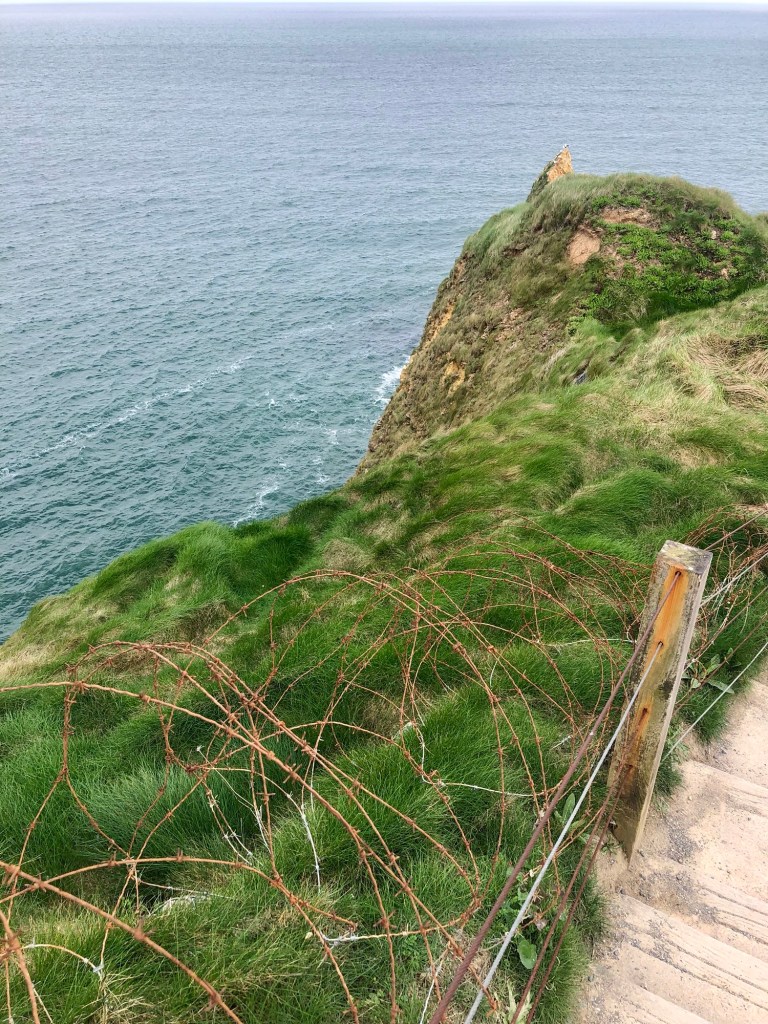
Atop Pointe du Hoc

After walking along Omaha beach for a time, we bundled into the car again and drove westward to Pointe du Hoc. This headland with 30 meter (98 feet) cliffs is situated between what were the Utah and Omaha sectors of the invasion. Under constant fire, an American Ranger battalion scaled the sheer cliffs with ropes and ladders, assaulting entrenched german positions above. A well-developed trail leads along the top of Pointe du Hoc, winding through still-visible bomb craters and the network of concrete operations and artillery bunkers from which the German troops attempted to repel the assault. Standing on those cliffs and seeing how thoroughly entrenched were their foes, the objective set for the Rangers looks utterly impossible. Of the 200 men sent forth, the battalion suffered 135 dead and wounded in two days of fighting. A herculean victory, achieved at great cost.

View Out to Sea from a German Bunker (Pointe du Hoc)

Emotionally wrung out, the five of us sought some distraction in a hearty lunch. Further westward we found the small town of Grandcamp-Maisy. It is right on the seaside and possesses a nice little enclosed harbor. We were lucky to find an excellent bistro/brasserie (Chez Charl’au) where they kindly extended their lunch service for us. Several good plates of fish and chips, a burger, and a very tasty duck confit landed on our table. Unlike the Nazis, we surrendered to the invading food immediately – and enjoyed every minute of it!

An American (Sherman) Tank

Back at Omaha Beach, we ended our day trip with a visit to one of the many (many) museums in the area dedicated to the D-Day landings. This one, the Musée Memorial d’Omaha Beach, was quite nice. It houses numerous displays of equipment used by all of the soldiers, sailors, airmen, nurses and resistance fighters involved in the events of June 6th, 1944. There are also many displays of personal accounts of those present during D-Day, bringing out details which one doesn’t normally hear or read about. A small theater shows a short documentary about the preparations for the invasion, the events on those terrible days of assault, and the aftermath. It was all very interesting and affecting.

Although it feels a bit awkward to describe it in such a way, we all had an enjoyable day. Immensely thought-provoking, we felt that we had all completed an important pilgrimage of sorts. Each in his and her own way, we paid a heartfelt tribute to all those who paid so dearly to ensure a better future. I am so glad that we were able to do it.
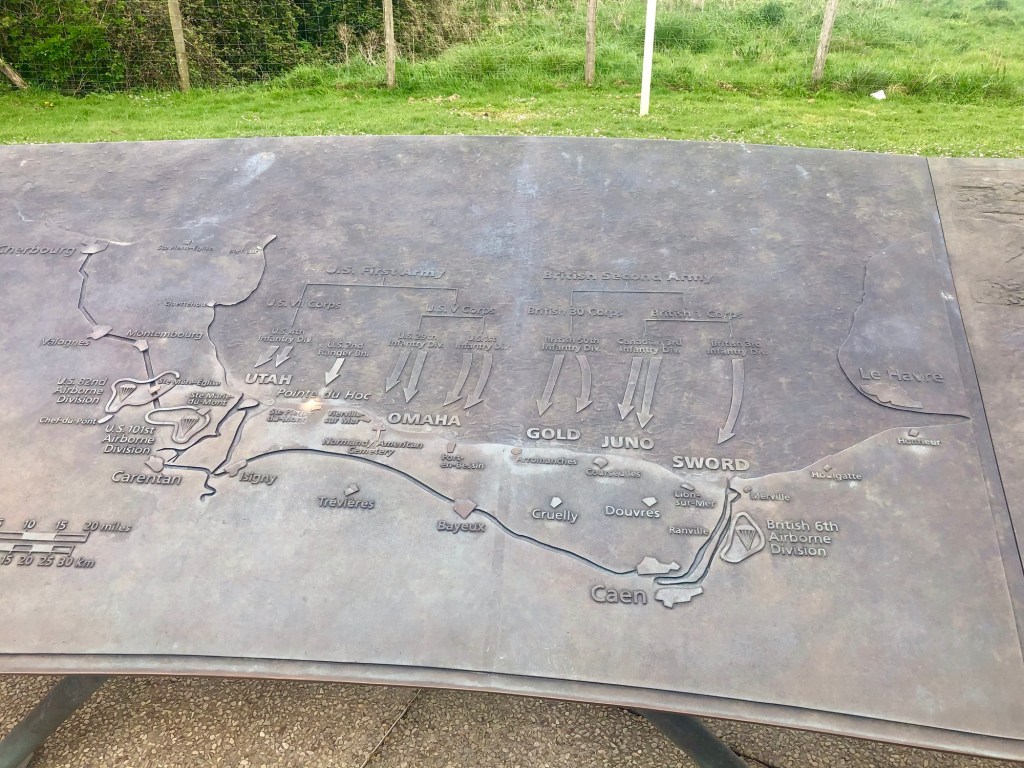
The Order of Battle, 6 June, 1941

Lastly, but not by any means the least, I would like to pay a special tribute to Earl Gish. He was Val’s uncle and Cherie’s great uncle. It turns out that he drove landing craft which delivered soldiers to Omaha and Utah beaches on that fateful day. He braved unrelenting enemy fire from the shore as he directed his craft back and forth from ship to sand. Earl almost never talked about his participation. Indeed, most of his family never even knew he had been involved in D-Day. I was privileged to have met him. I thought of him particularly often as I stood looking out at the waves crashing against the Normandy beaches. I think we all were. Thank you, Earl.
A Walk Through History in Côtes d’Armor

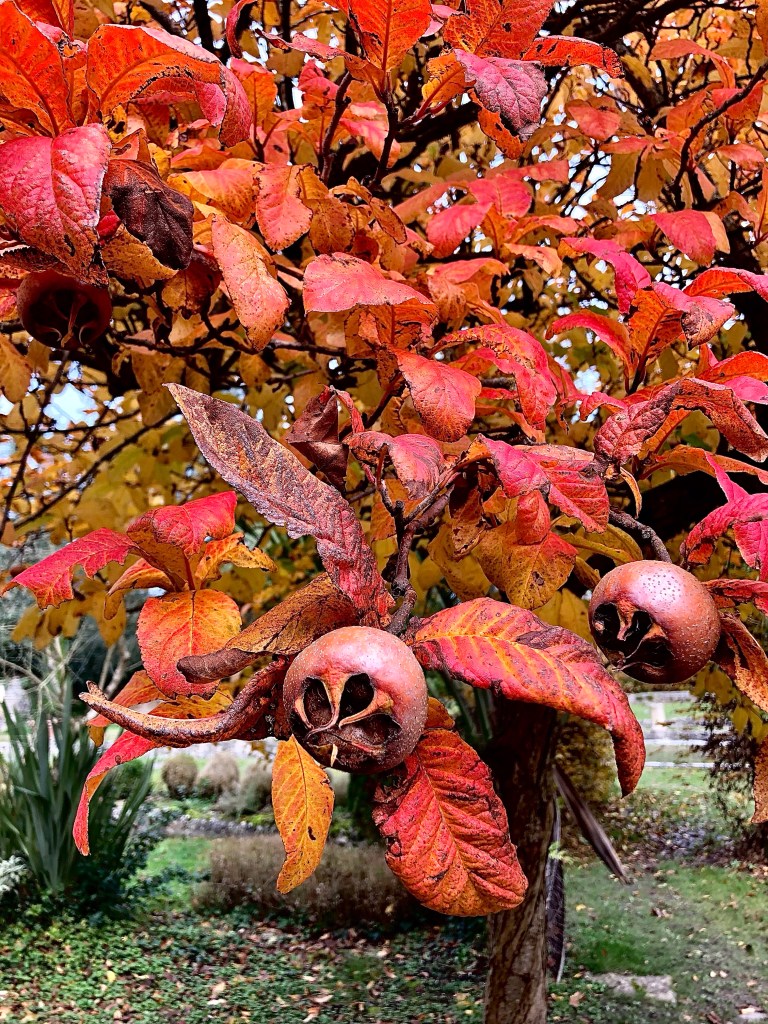
Autumn Bounty – A Medlar Tree Amongst the Roman Ruins of Corseul

We are in the depths of Autumn now. It’s often quite stormy. I’m cold all of the time – the French have a particular word for this: frileux – and I’m wishing our chimney was in good repair so that we could have a cozy fire. Yet another repair project for the future.

Nevertheless, this time of year has its attractions. Bretagne is a land dominated by deciduous trees, the gold and red hues of their waning leaves making for a very colorful season. The view from our elevated perch in the tower over the park allows us to watch the grand carpet of shrubs and trees laid out below us as it gradually shifts tones from day to day.

Cherie and I try to maintain our quest to visit as many local sites of interest as possible. But it is decidedly more of a challenge to do so during the off-season. Many, if not most, privately-held attractions in France tend to close from October through April. Doors are shut, shutters are closed and gates are locked to visitors for months on end. So, we look for the sites which remain accessible.

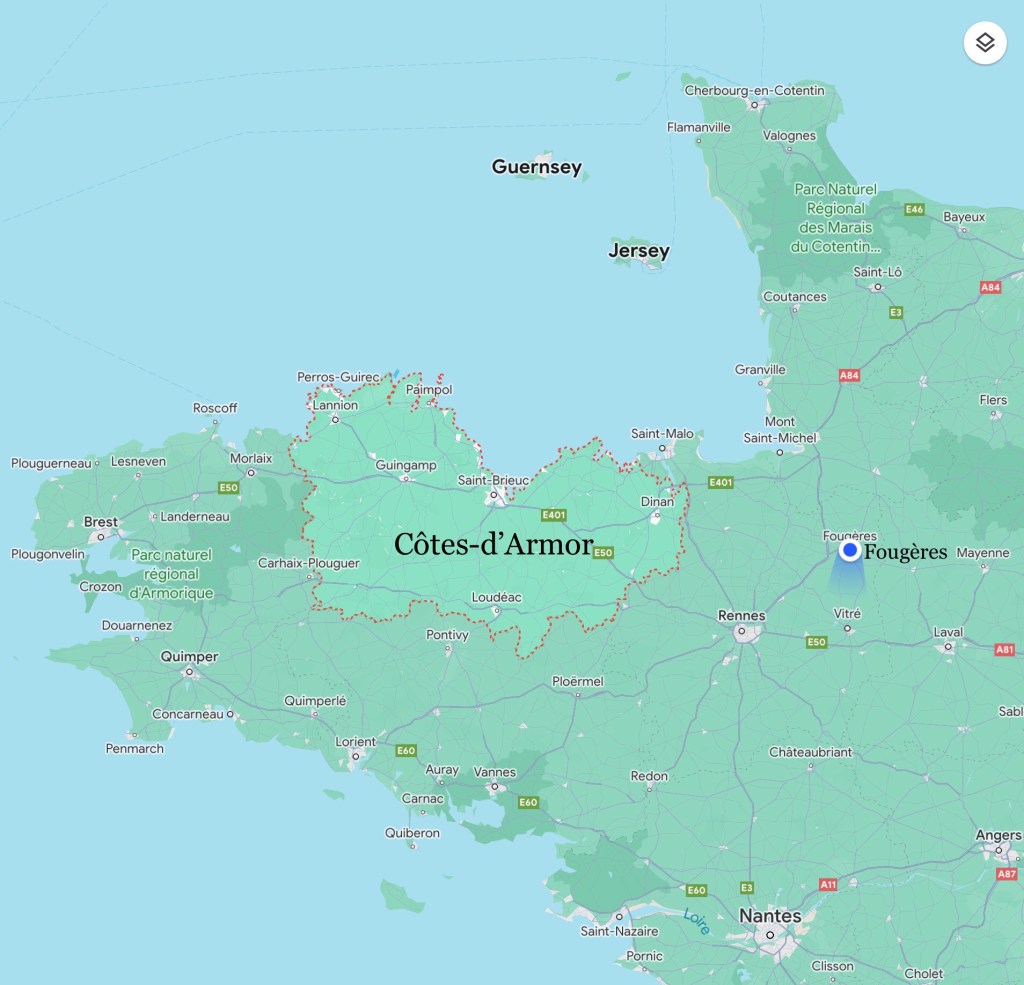
The Département of Côtes-d’Armor with Fougères to the East

This week we ventured westward into the heart of Bretagne, in the département of Côtes d’Armor. With the exception of Dinan, we haven’t really explored this part of the region. When searching for a house in 2018, we made some brief sojourns to Tréguier, La Roche-Derrien and Pontrieux, but we never did much in the way of sightseeing. It’s a lovely part of the peninsula with lots of green, rolling countryside and rocky coastline looking northward to England across the Channel.

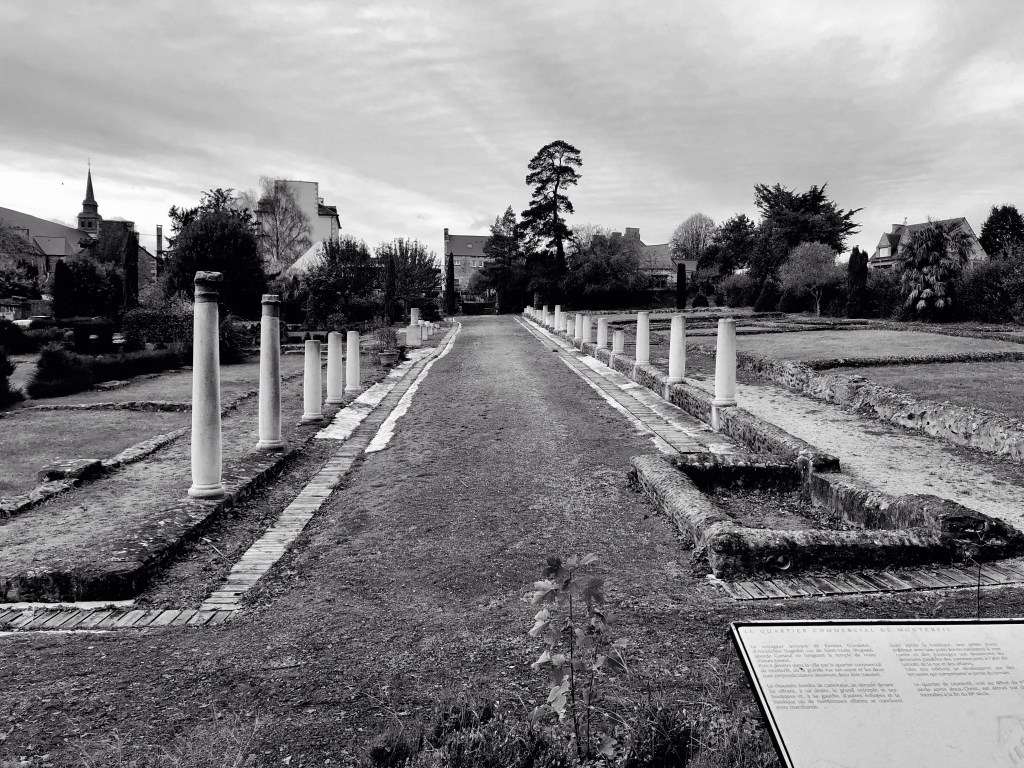
A Swanky Street in Gallo-Roman Corsiolitum

Not too far west (11 kilometers) of Dinan is the village of Corseul. A village which has the good fortune to sit upon the ruins of a Gallo-Roman town. Dating from the 1st century, Corsiolitum, as it was known then, was the capital of the Coriosolites – the local gallic tribe who so kindly agreed to be overrun and absorbed into the Roman Empire. In return they ended up with the latest in Italian urban design, complete with paved streets, underfloor heating and shopping.

Shards of Lost Civilization

The ruins in Corseul are subtle. One can walk down a short section of streetscape marked by the remains of townhouse and warehouse foundations. Well-posted interpretive signs help visitors to imagine the scene as it may have been as a bustling hub. Extensively excavated in the 1980’s and 1990’s, the remains have been tidied up quite a bit. This includes what appeared to us as the imposition of cement copies of architectural elements such as rows of columns, textured and broken. A problematic practice which is, thankfully, rarely employed.

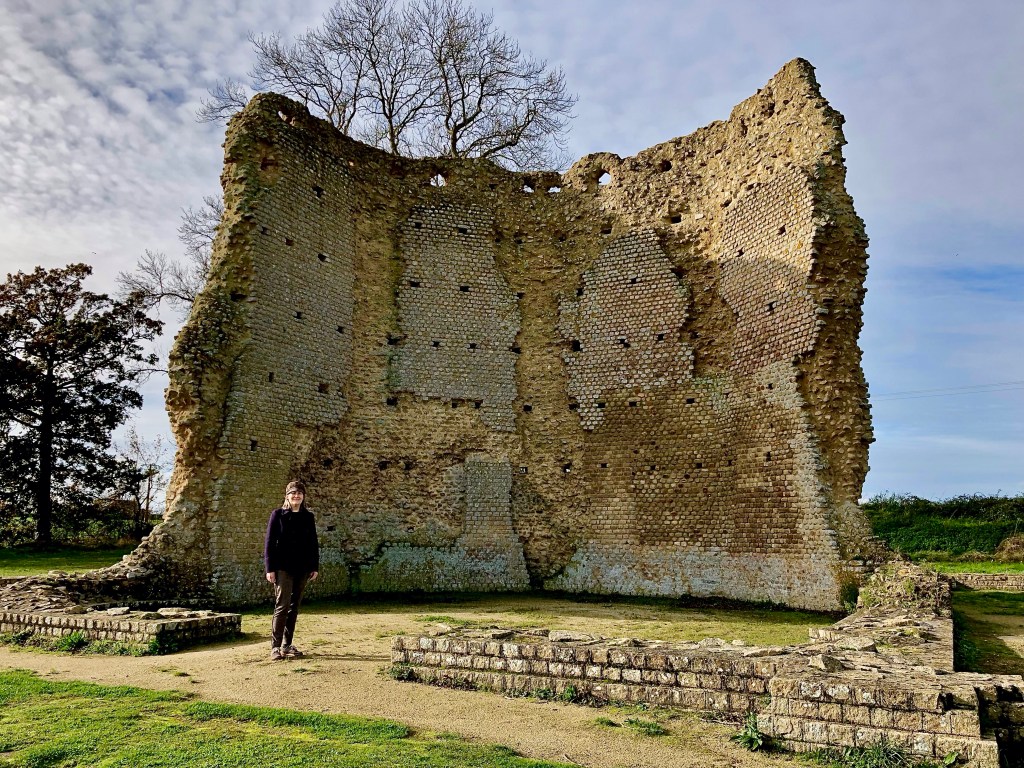
Move Over, Mars, There’s a New Goddess in the Temple

Just outside of town is the site of a Gallo-Roman temple complex: the Temple of Mars. It is a remarkable site with the remains of a roman tower standing tall like a sentinel above the foundations of a complex of walkways gateways and ancillary structures. Constructed in the first century, its primary purpose was dedicated to the worship of the god Mars. But there was also a smaller temple for veneration of the emperor. The builders also saw fit to include a separate entrance to the complex for the wealthy elite. Some things never change.

Reconstruction of the Temple of Mars

One of the interpretive signs in Corseul noted what we thought was another roman site to the other side of town. Following a narrow rural road up into the hills, we ended up at a wide spot near a dead end marked “parking”. Somewhere, down a dirt drive, was an historic monument. At least that was where the vague sign pointed to. Shrugging our shoulders, we parked and trudged along a lonely track through an oak wood. It was only five minutes later when we sidled up to the remains of a medieval castle. Hmnnn … not quite what we were expecting. But a pleasant surprise nonetheless.

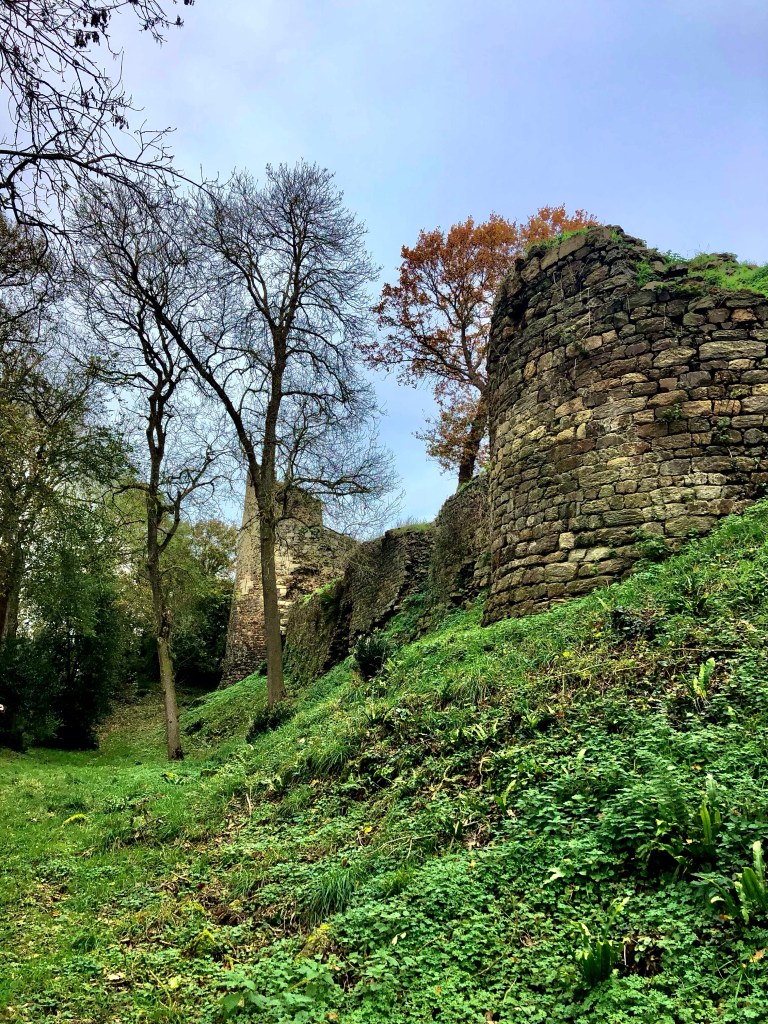
A Castle in the Wilderness

The château-fort of Montafilant was built in the 12th century. It remained in use until the end of the 15th century when it was abandoned. After that, its structures served as farm sheds and its ramparts as a handy quarry for stone by local inhabitants. Amazingly, there is still a substantial portion of walls and towers remaining. Enough to see that this was a considerable fortress. It rests on a promontory above two steep-sided valleys. Montafilant is a no-frills monument. Quite the opposite of the ruins back in town, this castle is raw. No effort has been spared to present this edifice as anything but what you see. All the better for it in my opinion. For those willing to do a bit of exploring, this castle is worth the time and effort. If you go, make sure to continue along the outside of the wall – you will find a large corner tower and a further rampart with a dry moat around the other side.

Léhon’s Medieval Bridge with the Abbey in the Background

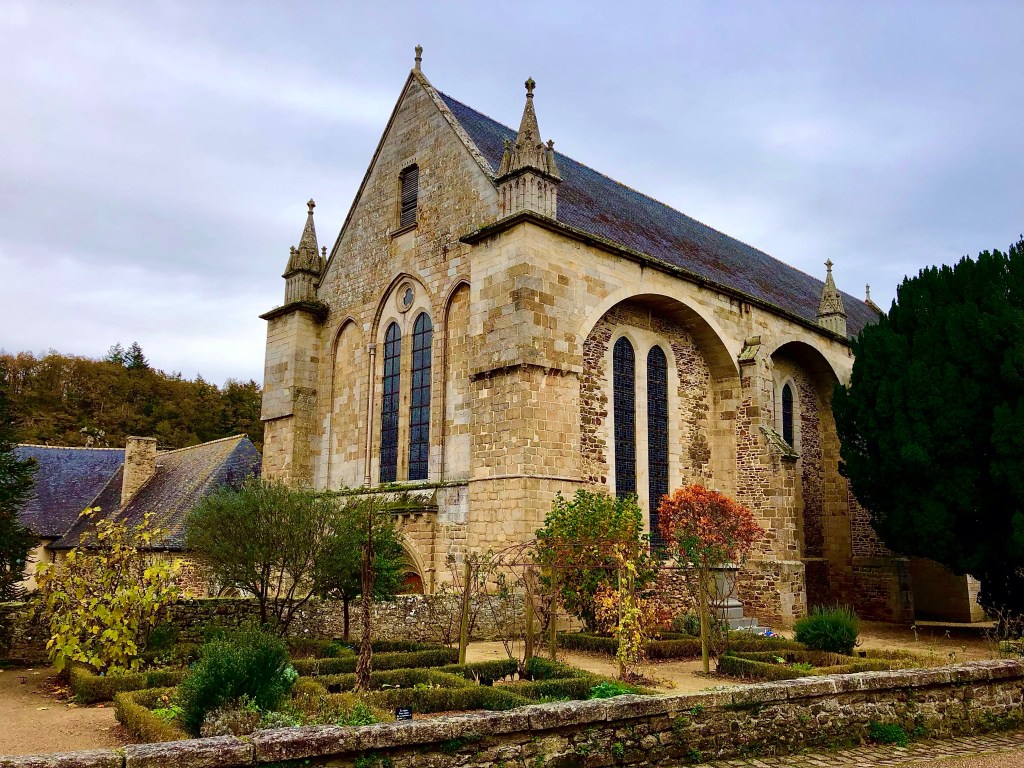
Our final stop for the day was the village of Léhon. Now it is, effectively, a suburb on the south side of Dinan. But it originally grew up around an independent abbey and castle along the banks of the Rance river. This Petite Cité de Caractère’s most picturesque area is the bourg surrounding the medieval abbey, overlooked by the castle ruins on the escarpment above. We enjoyed a nice afternoon stroll through the compact bourg, over its lovely medieval stone bridge and along the river to the canal lock and back. It didn’t take long. The bourg is quite small. Especially since the abbey was closed for the season. We plan to come back sometime when it’s open to visitors.

L”Abbaye Saint-Magloire

All in all, we passed an enjoyable day of visits and got to know this part of Bretagne a little bit better. We witnessed 2,000 years of history in the span of an afternoon. Not bad for a day’s work!


Lock and Lock Keeper’s House on the Canal North of Léhon

The Lithic Landscape of Bretagne: Saint Just

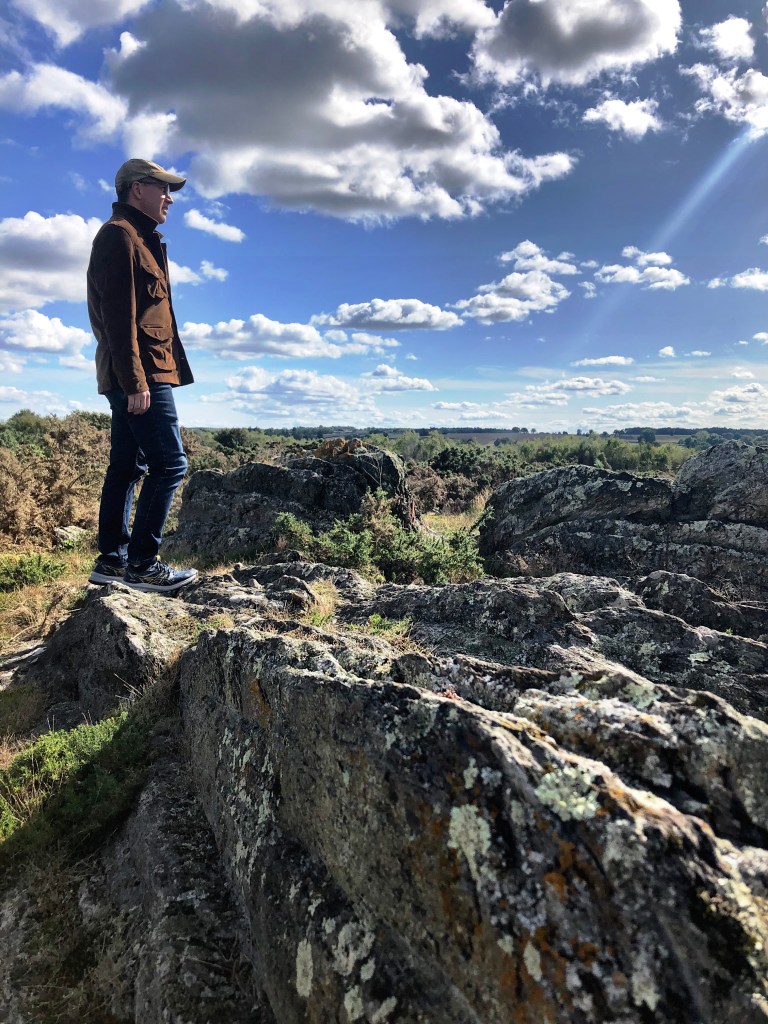
Pondering the Ancient Landscape

Cherie and I are reminded, frequently, of the truly ancient heritage which permeates the land in which we now live. History is all around us. Literally. Most of that history is visible through the many medieval and later structures still standing all about us. These pieces of our ancestors’ handiwork are beautiful, atmospheric and endlessly fascinating. And they create a landscape which is radically different from our previous home in the United States. Frankly, we prefer it here. It’s so much more interesting and varied. Turn a corner in France and you are more often than not greeted with a grand vision, a lesson in history, or a little mystery. It’s a feast for the senses. There is no lack of opportunity to, as Hercule Poirot would observe, “exercise the little grey cells” in our corner of the world.

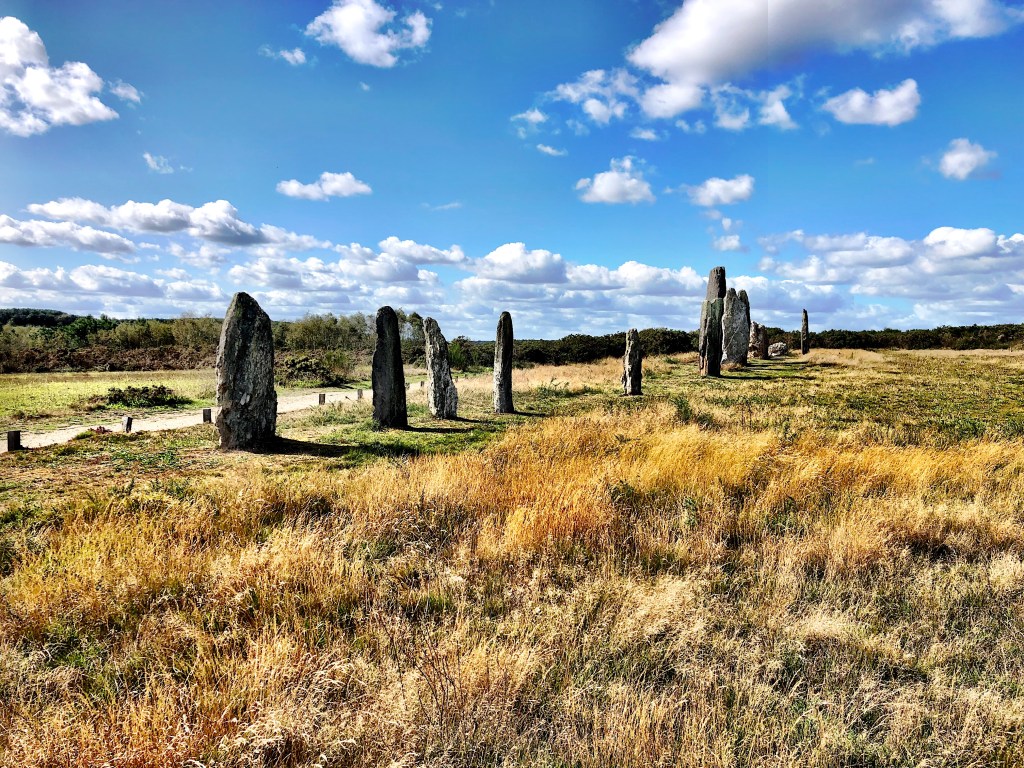
Sentinels of Time

In addition to perfusion of historic buildings and other monuments which surround our daily lives here, we are very often reminded that we are inhabiting a landscape of even deeper roots into the story of humanity. It’s astounding the number of prehistoric sites peppered throughout, especially in Bretagne (but also other areas of France: see our post Ducking Underground: les Grottes de Saulges). Carnac (BBC: The Mystery of France’s “Stonehenge”) in the southwest of Morbihan is probably the most well known. And rightfully so. It is an astonishing display of some 3,000 standing stones as well as other structures from prehistory. Definitely not to be missed.

But there are hundreds of other, smaller, sites dotted throughout the Breton landscape. And they are all fascinating. We recently visited one such area that is filled with a number of neolithic treasures: Saint-Just and les Landes de Cojoux. About an hour and a quarter’s easy drive from Fougères, the small village of Saint-Just sits almost due south of Rennes, only a couple of minutes off the D-177 highway.

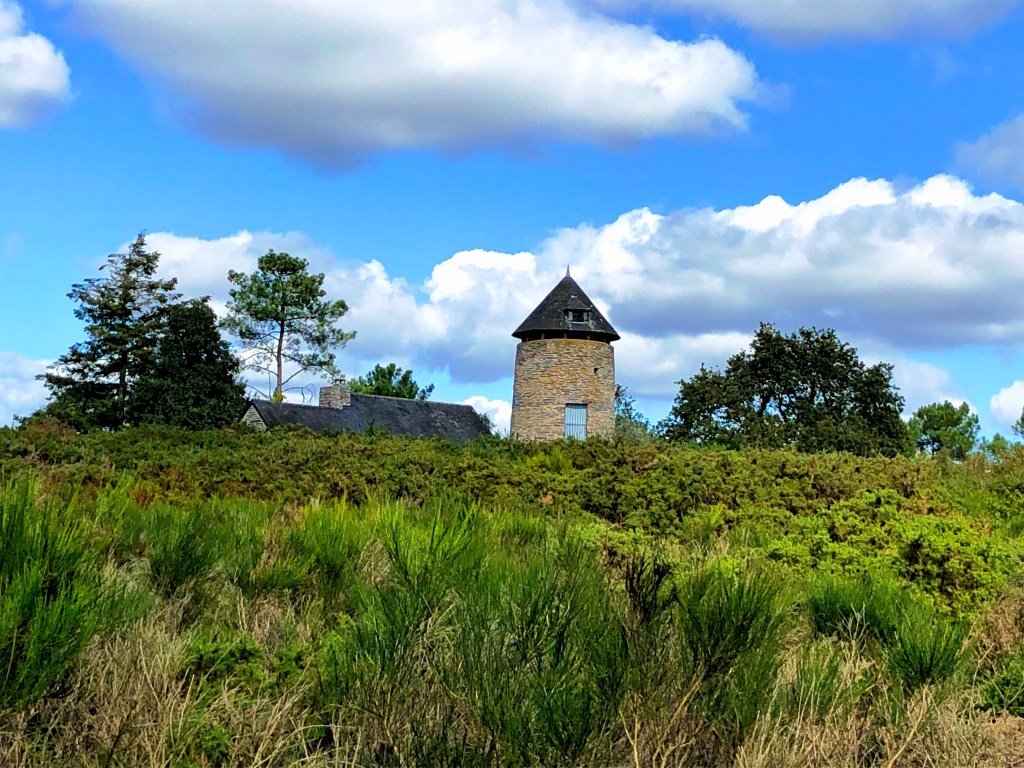
Midst the Moorland Gorse and Broom: a Converted Windmill Tower Mimics the Megaliths

Extending westward from the village is a network of trails which lead through dramatic moorland. These well-tended trails are reasonably wide and flat, providing some of the best accessibility we have encountered for people with mobility challenges. The landscape is beautiful. Following the crest of a long stony ridge, the walk took us through gorse-and-heather-covered moors, past a former windmill, down amongst small, shady copses of oak, aspen, chestnut and beech trees, and up to a deep ravine with windswept cliffs.

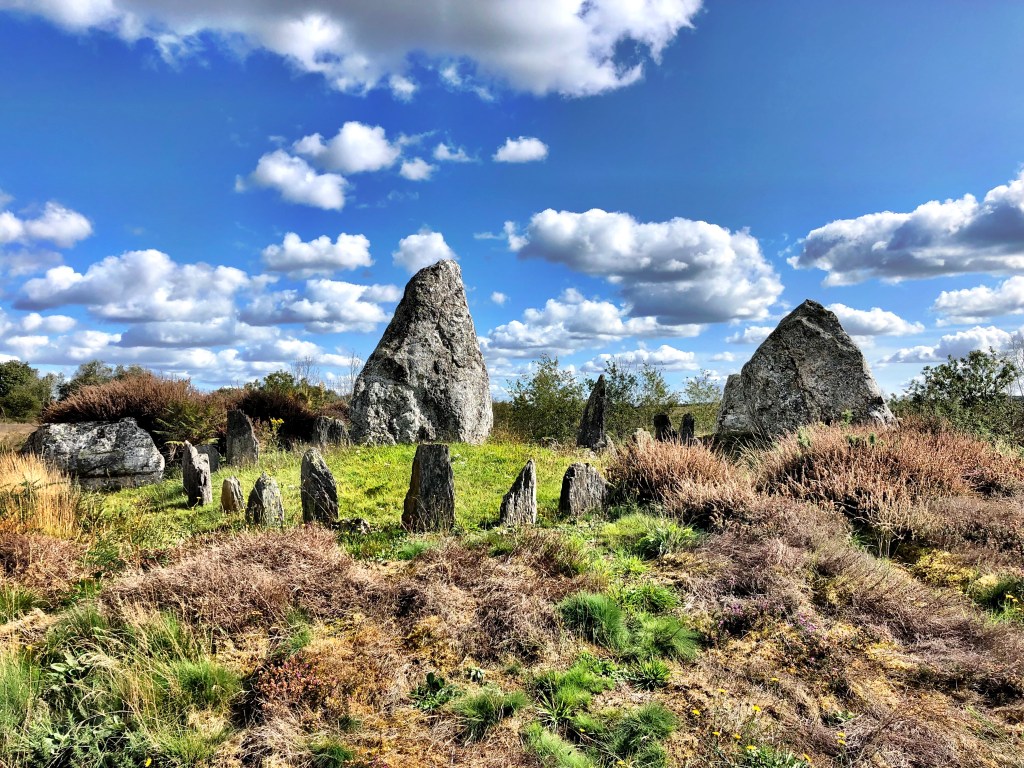
Deluxe Burial Plot With a View

But most important of all are the dozens of megalithic sites which are strung along the trail. Such variety! There are rows of standing stones, round burial mounds, long barrows, small individual stone-lined graves, and enigmatic stone placements which still have archaeologists scratching their heads.

Neolithic and Bronze-Age Tomb Mound

Apparently, the entire site remained lost, forgotten for millennia until wildfires in the 1970’s and 80’s exposed the stones. Archeologists soon began to conduct numerous excavations. What they have uncovered so far is fascinating. Each exposed site is well-presented with panels to help make sense of what has been found. Still, so much of what our neolithic ancestors did here – and why – remains a mystery. And, perhaps, that is part of the attraction of these stone monuments. Despite being put together by people who were so similar to us in so many ways, these strange stone constructions are so unlike anything we are used to experiencing. It really makes you think.

Our long afternoon wander through the prehistoric past of Saint-Just was really enjoyable. If you have any interest in visiting the distant past set within a beautiful landscape, you will be well-satisfied with a visit to this area.

A Good Spot for a Picnic Lunch