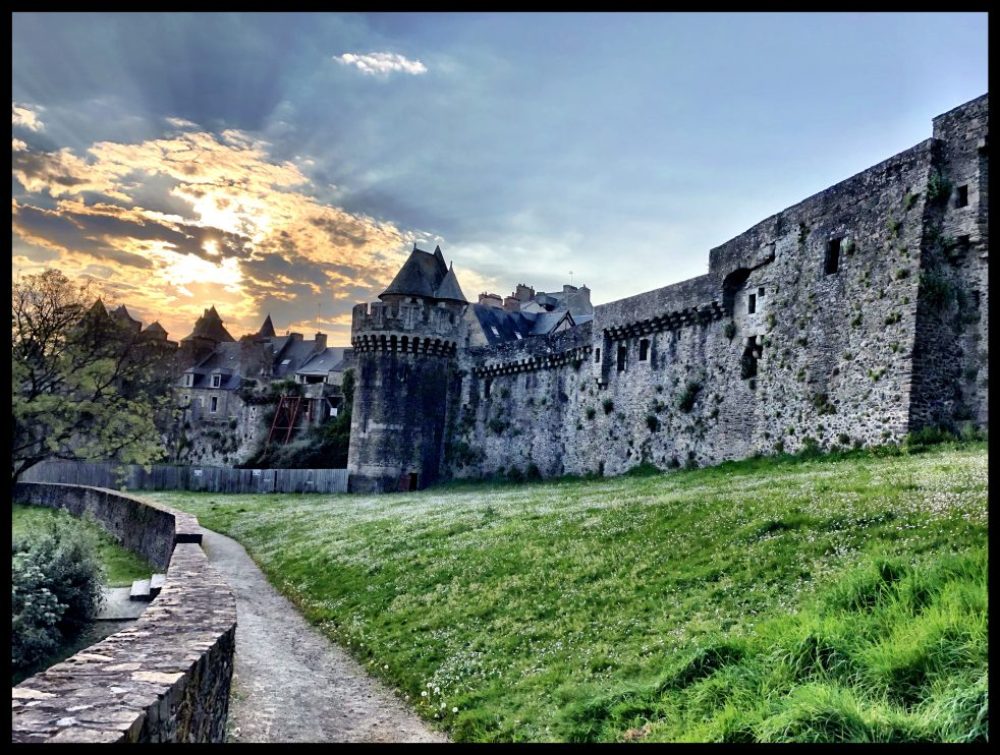
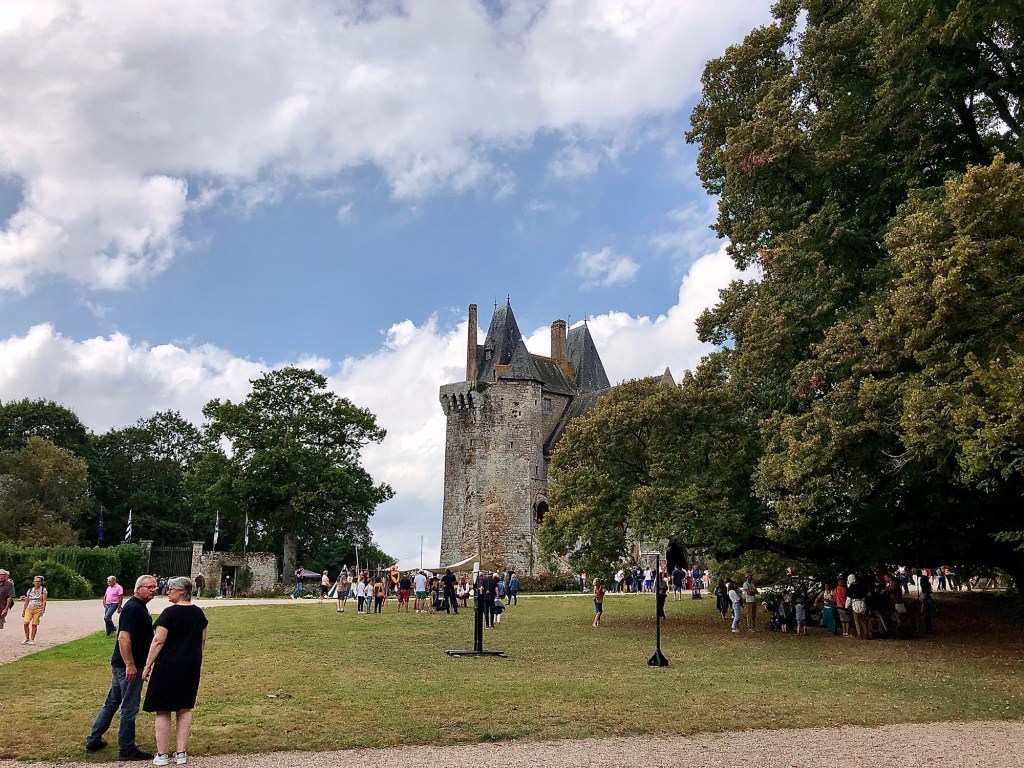
[Just a quick one today. I had begun this post last September but then got sidetracked and eventually put it aside. But I think I did this subject a disservice in passing it over. So, I’ve dusted it off, nipped and tucked it in a few places, and nudged the poor neglected thing out in to the world for your consideration. As always, you be the judge.]
Having read this blog for a while now, you’ve probably noticed that France is a nation rich in historical monuments. Sadly, the country has not developed very good mechanisms for protecting and restoring these amazing places. There is no equivalent to English Heritage or National Trust to acquire historic properties, protect them, restore them and manage them. It’s a shame, really.
Nevertheless, a great deal of this important historic preservation work still manages to get done here, most of it conducted by passionate individuals and families, struggling to overcome considerable obstacles. I don’t know how they do it, but I greatly admire their efforts. We all owe them a debt of gratitude for preserving such beautiful and enduring chronicles of the past.
Despite the organizational challenges, one thing which France is particularly good at in this regard is honoring and promoting their heritage, their patrimoine. And every September the nation joins with the rest of the EU to celebrate the Journées Européennes du Patrimoine (European Heritage Days). During this weekend-long festival, many historic sites which are normally closed open their doors to the public for viewing and special events. We look forward to it every year.
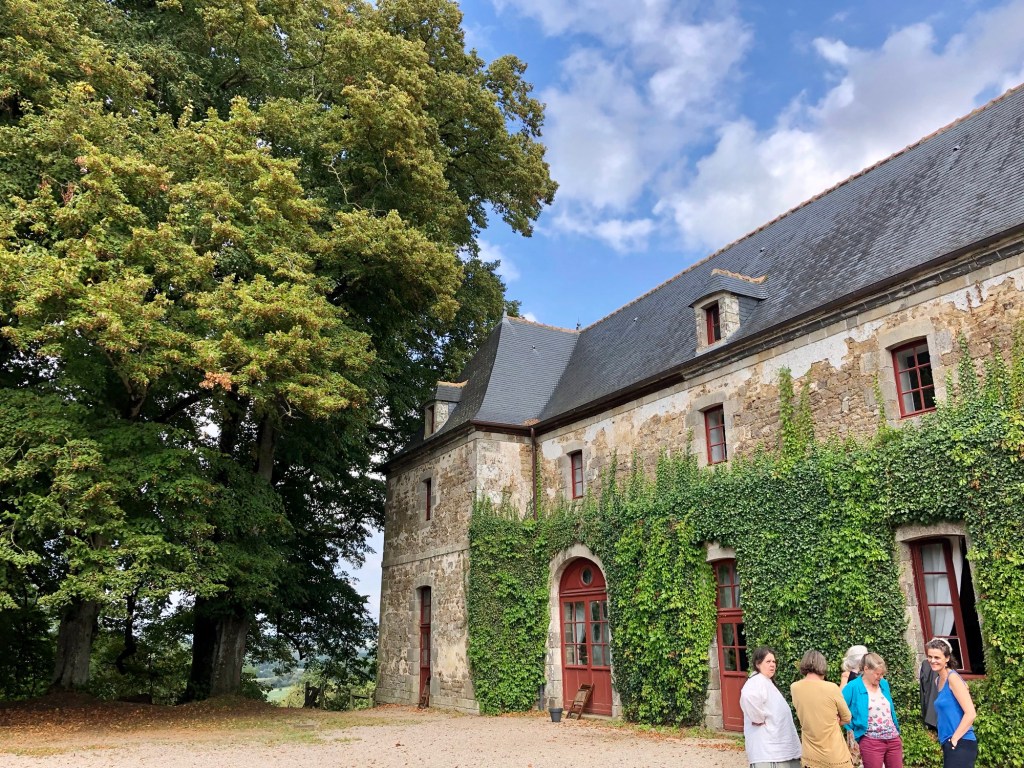
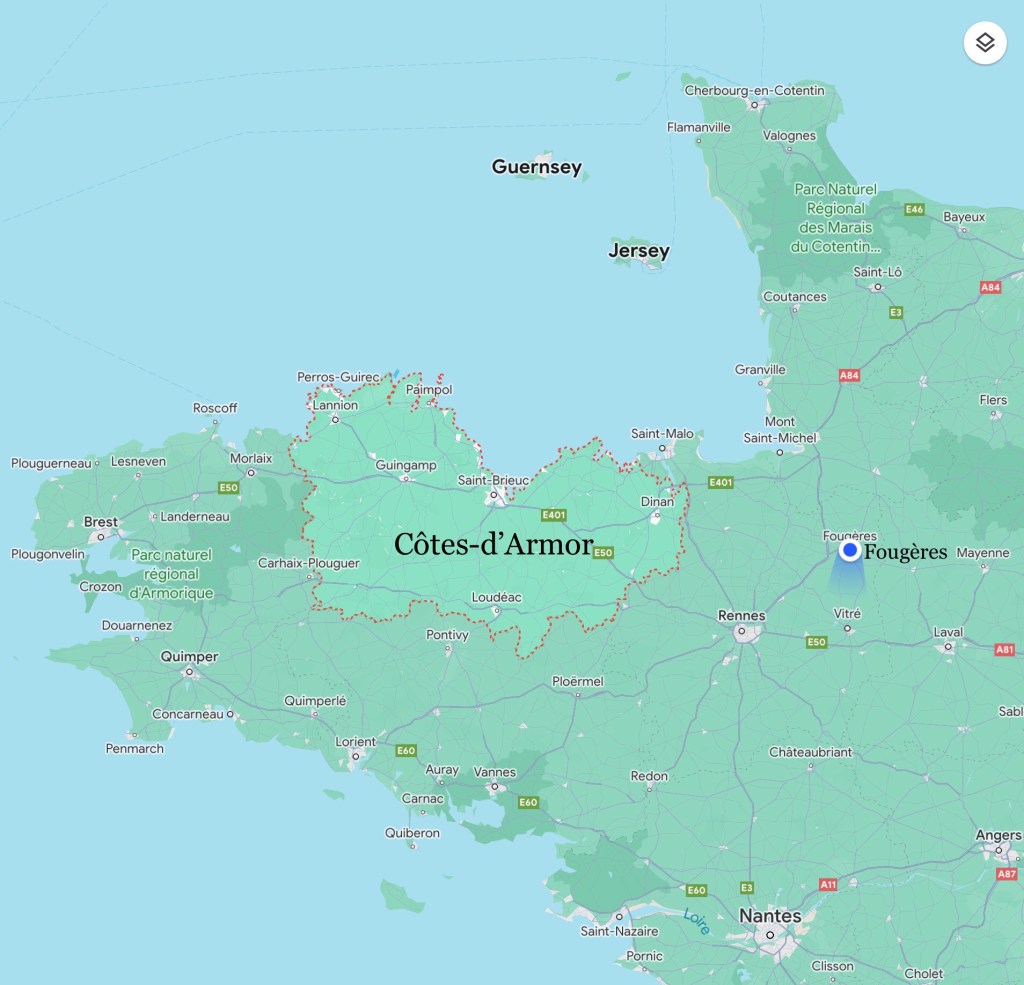
This last September we set our sights on Château de Montmuran. This beautiful castle sits in an elevated position just a few minutes walk away from the village of Les Iffs, and only a 30-minute drive north of Rennes. Currently undergoing major restoration, Montmuran is normally closed to the public. But we and a few hundred other admirers had the good fortune to gain admittance on a lovely, sunny Saturday.
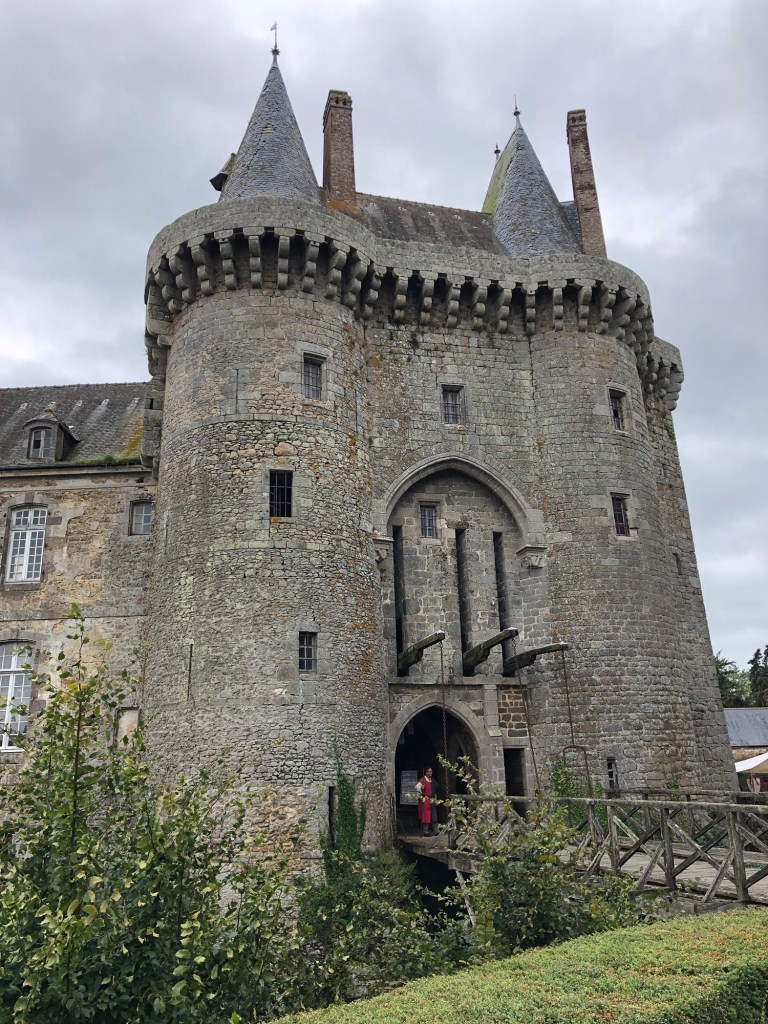
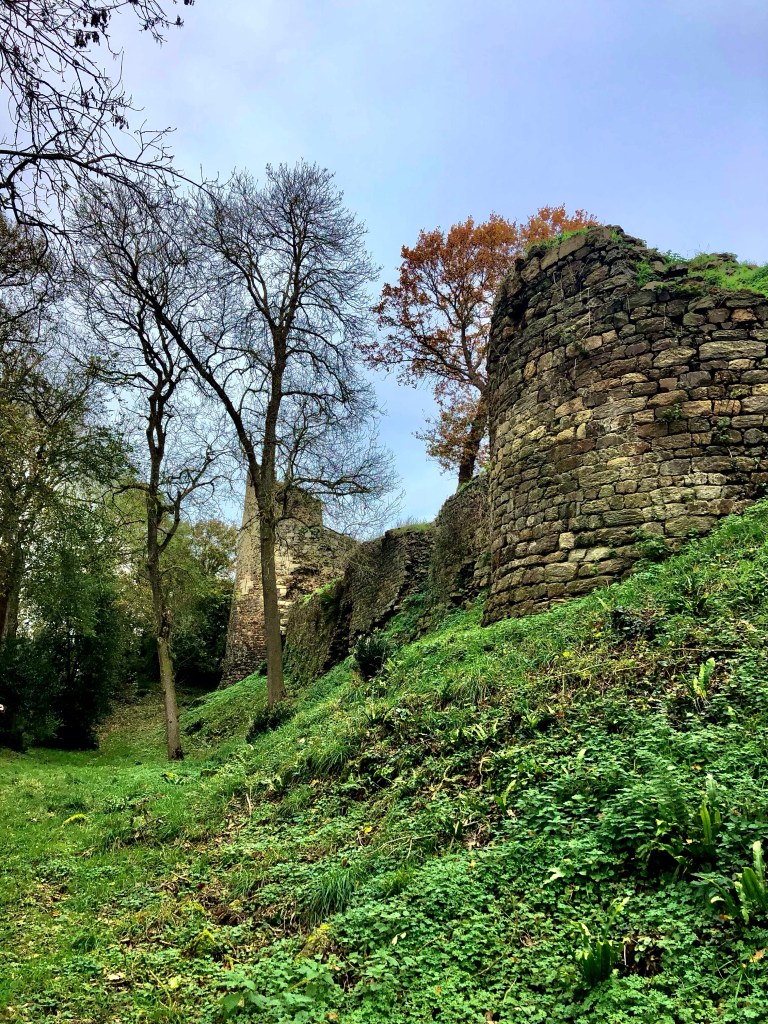
The château-fort visible today displays elements ranging from the 12th through 18th centuries. Most impressive is the 14th century châtelet (a sort of mini-castle at the entrance) composed of two magnificently soaring towers framing a gate with a moat and drawbridge. It is striking. For a castle enthusiast, Montmuran is worth seeing for that alone.
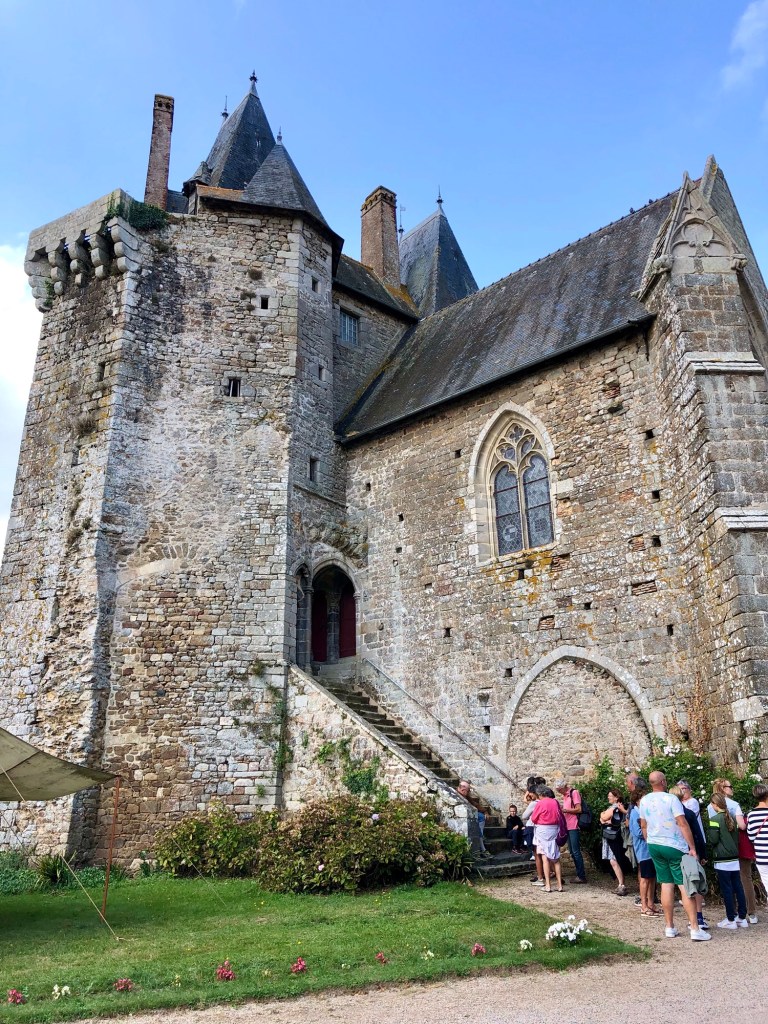
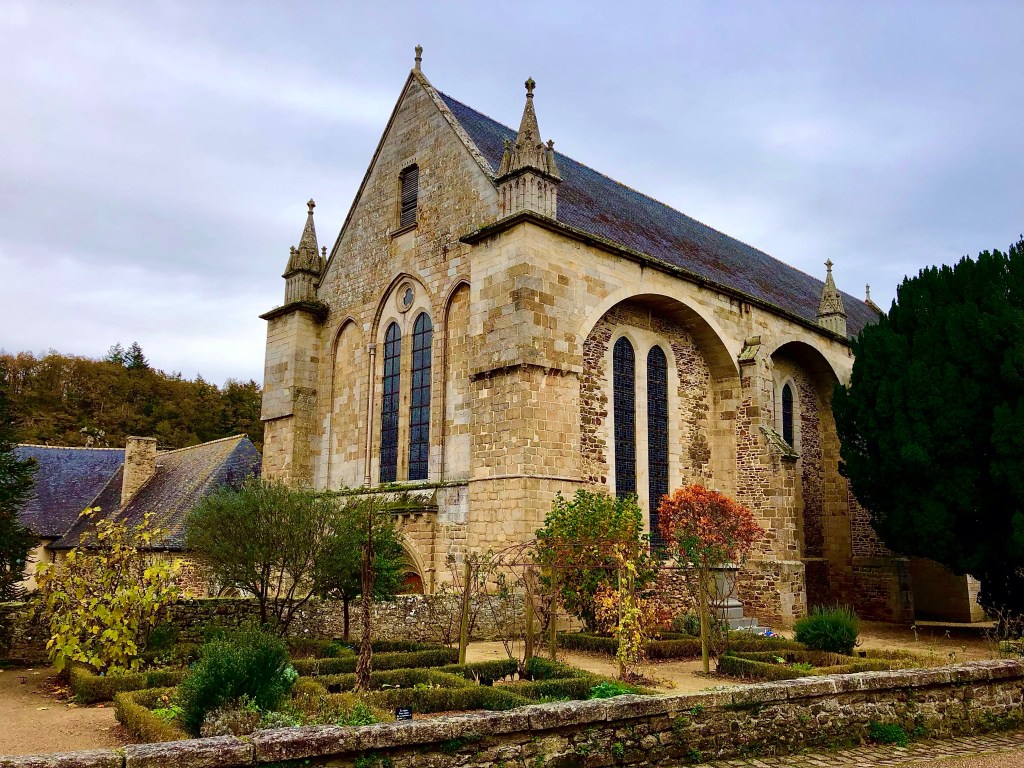
But, wait, there’s more! A lovely elevated gothic chapel extends from the rear of the châtelet. It is said that the famed Bertrand du Guesclin, later Constable of France, was knighted in this chapel in 1354. In addition, the primary residential block consists of a series of 17th and 18th century chambers. And there are several outbuildings of notable character as well.
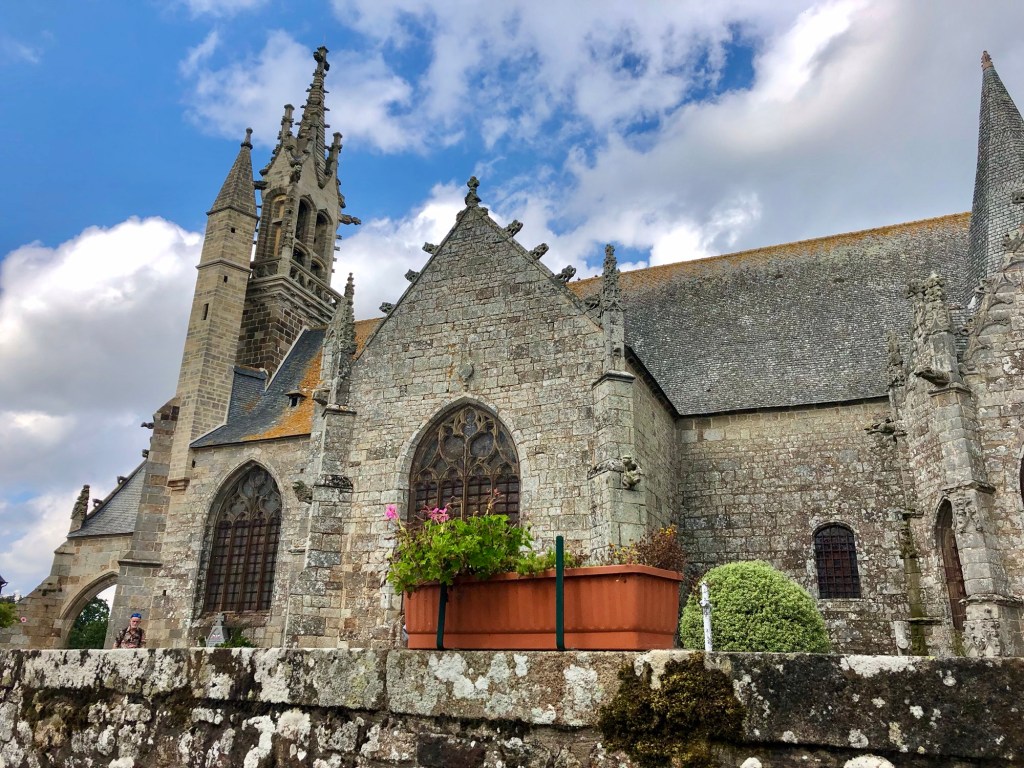
We also had a walk around the nice village of Les Iffs. The whole village seemed to be engaged in celebrating the heritage days with games, food stalls and decorations. Honorable mention goes to the church. L’Église Saint-Ouen des Iffs was built in the 15th century. It is justly famed for its 16th century stained glass windows. A beautiful and unique parish church, it is worth a detour all by itself.

I promised a quick one, didn’t I? Well, so much for that. But I did try. I will simply leave you with this bit of advice. If you live here, or will be visiting around the end of September, it’s worth the extra effort to seek out those special historic sites which only open their doors to the public during this very unique holiday. Sites like Montmuran.
[Editor’s note: we have since learned that Château Montmuran is now open on a more regular schedule. The writer responsible for this blog has therefore been sacked.]
[Editor’s post-note note: due to lack of applicant interest, the previous writer has been rehired. We apologize in advance for any future misinformation which may leak from his brain.]







 Finding Our France