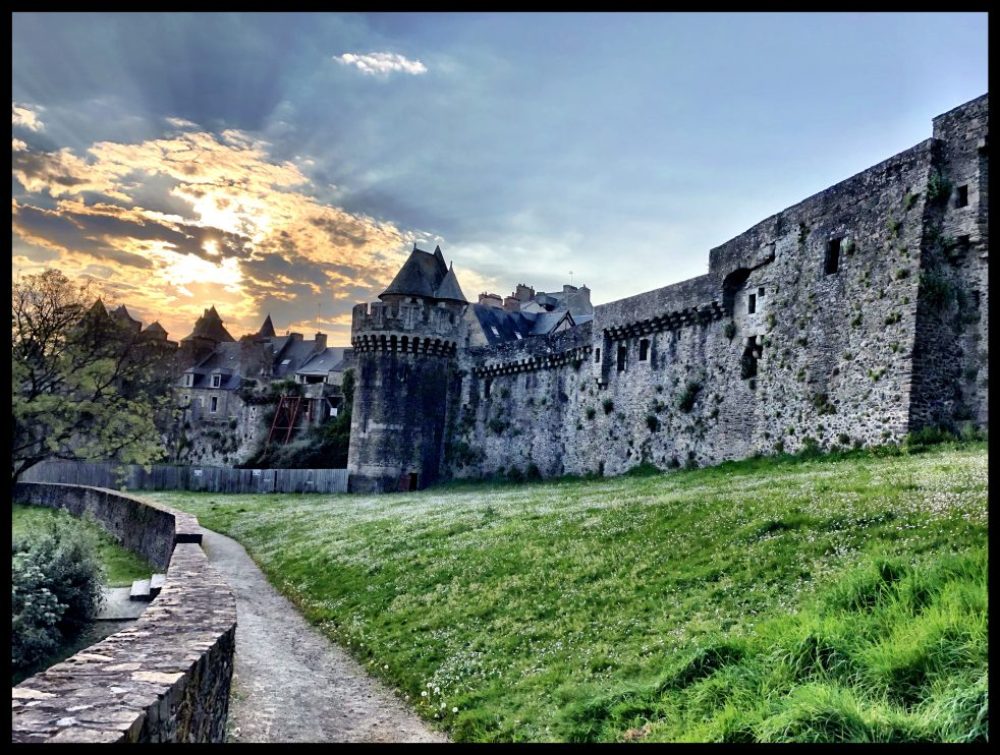
Tea in Landivy!

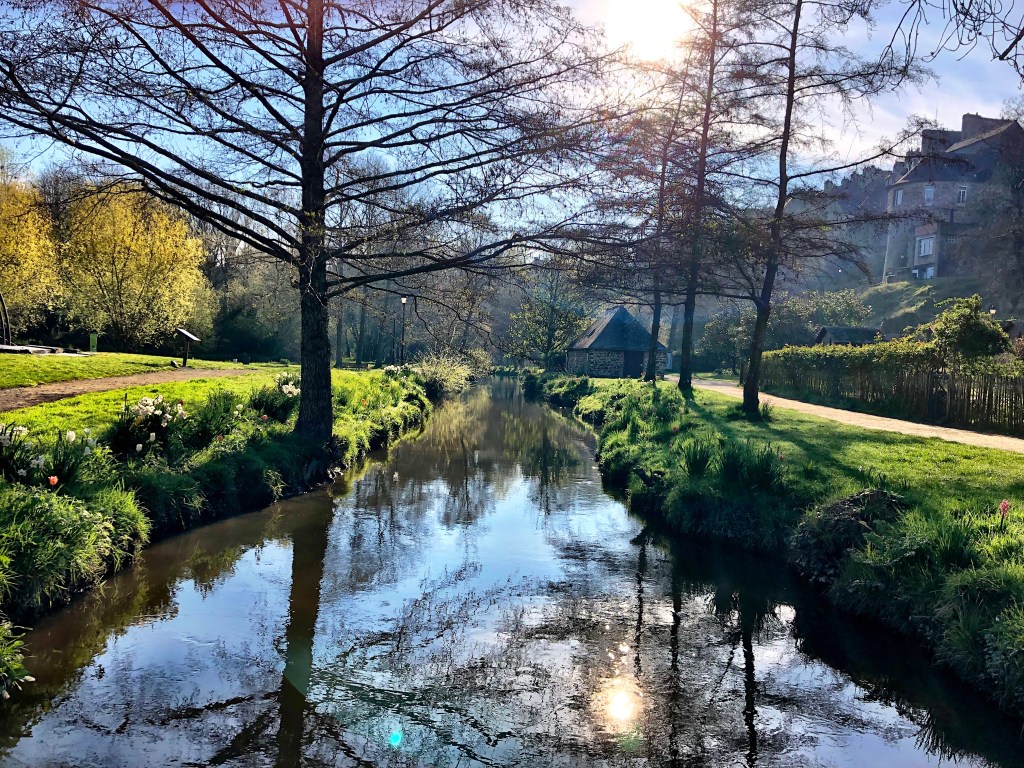
Le Printemps: the Parc du Nançon With Our Tower Looming Above (far right)

Two things I wish there were more of in France: pubs and cream teas. Not necessarily in that order.

So, when we found out that there is a British tea room in a nearby town, we both raised our pinkies and said, “Yes, please!” A couple of weeks earlier, Cherie was at the market talking with a local farmer who suggested that we check out a little café in the town near his farm where they offer cakes and tea. He probably assumed we were English. Most people here do. I guess, to them, our accents are indistinguishable from the British. So, naturally, he thought we would be eager to try this place out. Even though he was slightly off the mark about our origins, our farmer friend was spot-on about our love of a good tea room. Plus, he raises excellent pigs resulting in very tasty porc and sausage. Clever man.

A bit of detective work revealed that the café was named Le Patis. We’re still not quite sure what it means in French. On reference suggests it means a type of fish sauce. But that seems … doubtful in this context. Another indicates that it can refer to pastries. More likely, I think. And yet another source I found indicated that it defines a region in eastern Bretagne/western Mayenne and Loire, known as Le Patis Haut – essentially the area which once roughly formed the marches between oft-independent Bretagne and the kingdom of France. The café is located within this area. Maybe the name is meant to be a double-entendre of these two latter meanings. That, too, would be clever.

The Rules

With dreams of jammy scones and hot brown water* dancing through our heads, Cherie and I drove northeast about 25 minutes to the small town of Landivy. That day, we had to weave in and out of one of the many bicycle races that stretch along the country lanes. In France, you never know when you’re going to encounter one, no matter far out in the country you find yourself. Bicycle races seem to happen spontaneously here. Like rain, or caterpillar parades. This was on a Tuesday. Unfortunately for us (and our dreams of overdosing on clotted cream), we found the café closed. We read the sign in the window with long faces: Le Patis is only open Wednesday, Thursday and Friday afternoons. Of course it is. Occasionally, we revert to our old expectations that businesses are open all day, all of the week, forgetting that we’re in France. Silly us.

Sullen, we drove back home, made our own tea, and regrouped. We had deliveries to receive and work to do on our newest addition to the empire for the remainder of the week. So, on the following week, we scheduled out a Thursday and off we drove to Landivy again. There were no bicycles to dodge this time. A good sign. And, sure enough, we arrived to find Le Patis open and welcoming, full of customers jonesing for a proper tea.

A quick word about tea in France. The French drink it, though they, like Americans, generally prefer coffee. Although one can find black tea without too much trouble, they tend to drink tisane (herbal infusion) teas. Because of this, they seem to find the concept of putting milk in tea to be a bit odd. When we order it in restaurants, we have to repeatedly ask for milk with our tea. Even when they eventually bring the milk, it is in a thimble. Hardly enough for even one cup. So, it can be a little frustrating to order a cup of black tea in France. It’s always an interesting experience though.
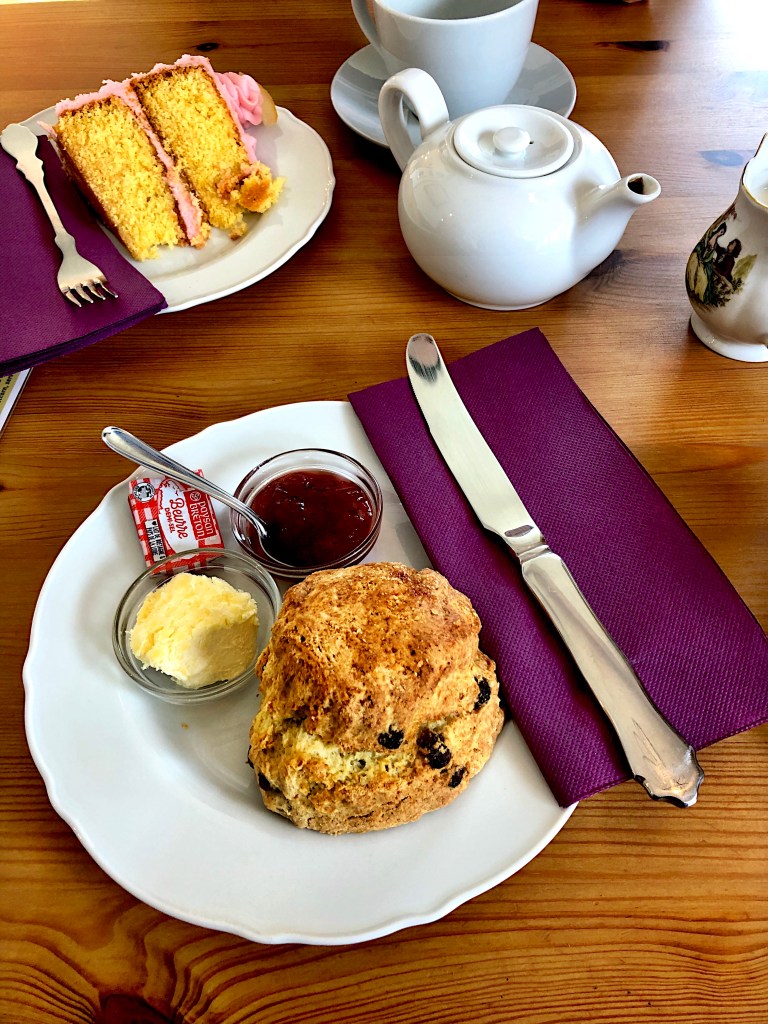
Yeah! That’s the Stuff!

Le Patis is a pleasant tea shop run by two partners originally from the U.K. Both were very nice and they both took time out to have a good chat with all of their customers. Customers who, as far as we could tell, were all British except for a pair who sounded as though they were either Canadian or American. Interesting. It must be a magnet for all English-speaking expats in the area. We had some fine tea and enjoyed some excellent scones and cake. In fact, they had several different scones (sweet and savory) and cakes to choose from. Not wanting to limit ourselves to just one type of cake, we selected a couple of slices of other cakes to take home with us. As you do. To top it off, Le Patis was selling a variety of commemorative items for the upcoming coronation of King Charles III. So, yeah, we scooped up a pair of mugs and matching coasters too. Long may he reign!
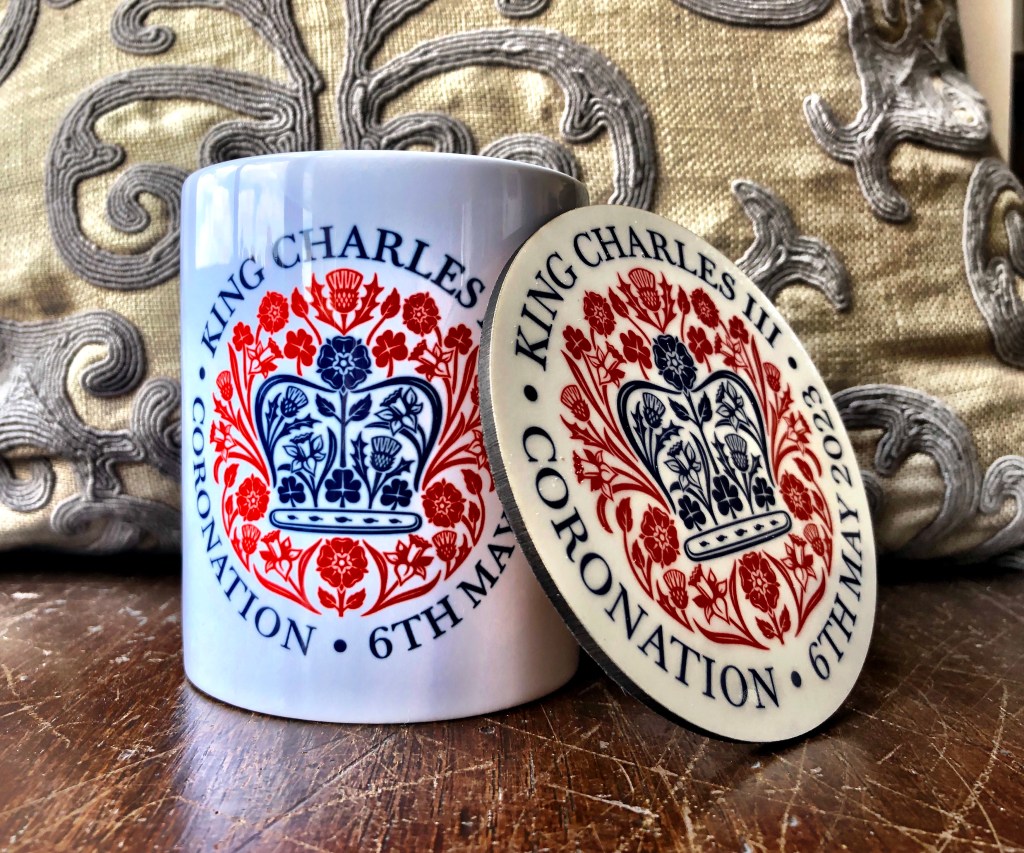
It’s Good to be the King

Our visit to the tea shop in Landivy was a pleasant afternoon’s diversion. No doubt, it will become a regular break for us. I suppose we’re pretty lucky in that respect. We get to enjoy the wonders of a life in France while having a bit of the U.K on our doorstep as well. Now, if I could just find a cozy pub …

So Many Cakes, So Little Time

*That’s for all of you smug, coffee-drinking Ted Lasso fans out there. A funny joke, but hardly fair. I mean, isn’t coffee also just hot brown water? [Please keep your angry responses to less than fifty words. Thank you.]

The Red Road to Pirou

The Châtelet in the Marsh: Château de Pirou

The day began with rain. Then wind. Then drizzle. Then more rain. But we had a plan, and we were going to stick to it. As it happened, two-thirds of us didn’t actually crawl out of bed that morning until eleven o’clock. Or so. I guess I hadn’t realized that that was part of the plan. But that’s often how our plans go. So I should have known better. Nevertheless, we managed to get out of the door and on the road by half past noon.

The plan? Oh yes, the plan. We had decided to track down a small moated castle in Normandie. The current Château-fort de Pirou has its origins in the 12th century, but it replaced an 11th century wooden fort which itself was built upon a former viking encampment. So goes the story, anyway. The site sits in a flat, marshy part of the Cotentin peninsula, just a couple of kilometers from the broad, sandy beaches of the seaside town of Pirou and some 18 kilometers northwest of Coutances. For us this was about a one hour and thirty minute drive through pleasant countryside, filled with cows (lots of cows), horses and the occasional human.

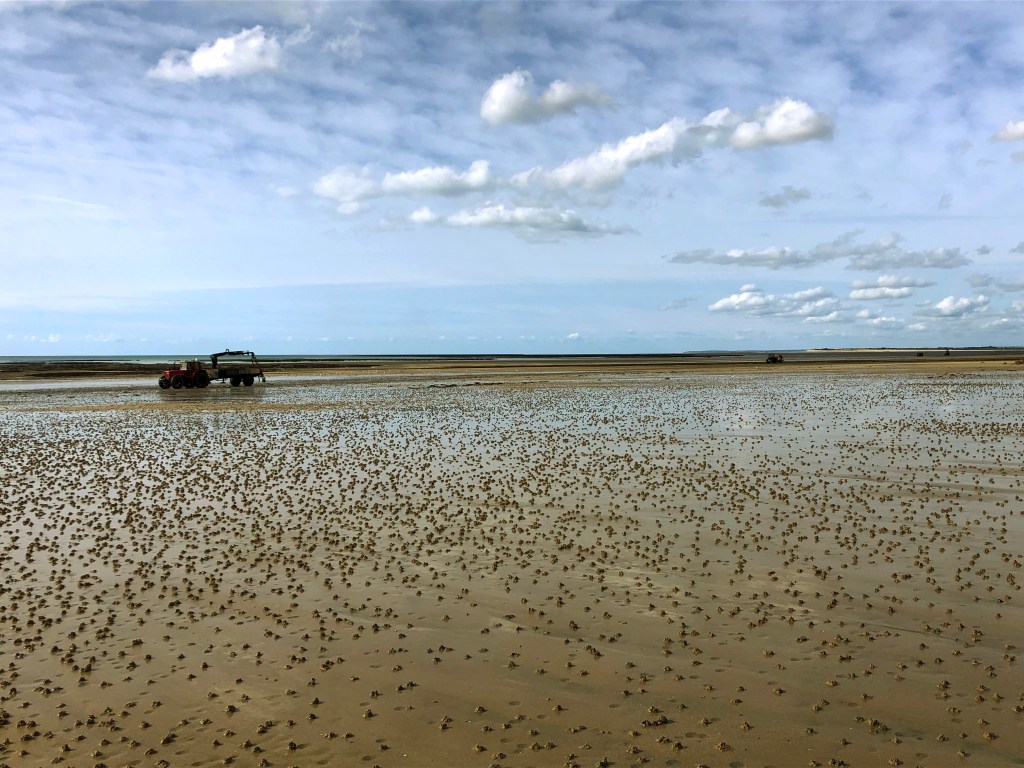
Harvesting Shellfish on the Plage de Pirou

After turning west off the A84 autoroute at Villedieu-les-Poêles-Ruffigny, we began to notice that several of the roads were paved with a red surface. It seemed to be a fairly common material in this part of Normandie. Strange. At first, I assumed that this must be the dominent color of the local stone which they use to pave the roads. But none of the structures in the area displayed any red-hued stone; all of them were built in the same gray, black and honey colored stone as we see in Fougères. So, what is the reason? I still don’t know. If any of you know why these Norman roads are red, send us a comment. For now, it will have to remain a mystery.

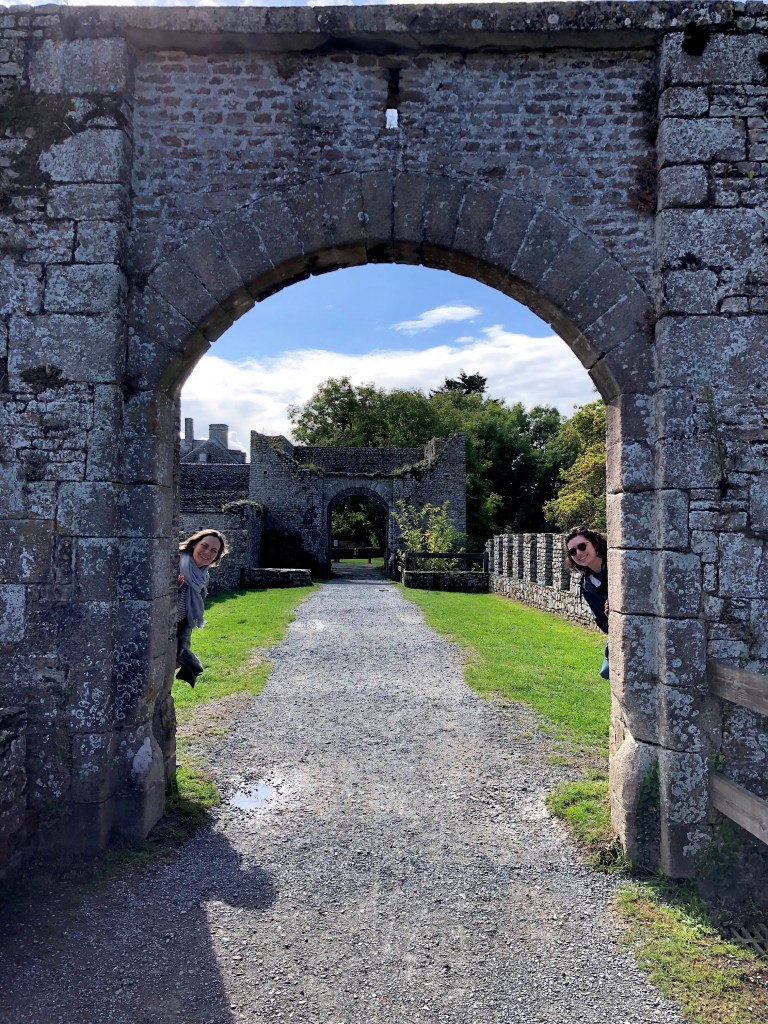
We Found It! – Cherie and Jessica at the First of Four Existing Gates

Honestly, the tracking down part of our plan was quite simple. Ten seconds on a mapping app did the trick. Sometimes I miss the romance and challenge of spotting a destination on a large, detailed paper map. It’s so much more fun. And exciting when you manage to locate your target and plan your own route of travel to it. But Google was to be our guide on this day, though I often wonder if the route which it (he, she, they?) gives us is really the most direct. After it has directed us down the third goat track, through a farm yard, and over a dodgy narrow bridge, it begins to feel like the artificial intelligence is just messing with us. I suppose robots have to enjoy their work too.

Beauty and the Beast – Jess Tames the Minotaur in His Maze at the Parc Botanique de Haute Bretagne

This outing was extra special because we got to share it with Cherie’s niece, Jessica. She came from the U.S. to visit us for a few weeks. We love having her around. Plus, she is a very fine knitter and she kindly knitted a cardigan for Cherie and a hat for me. So, win/win, I say. Anyway, we have been wandering all over the place, eating and sightseeing our way across eastern Bretagne and southern Normandie. It’s been a great time.

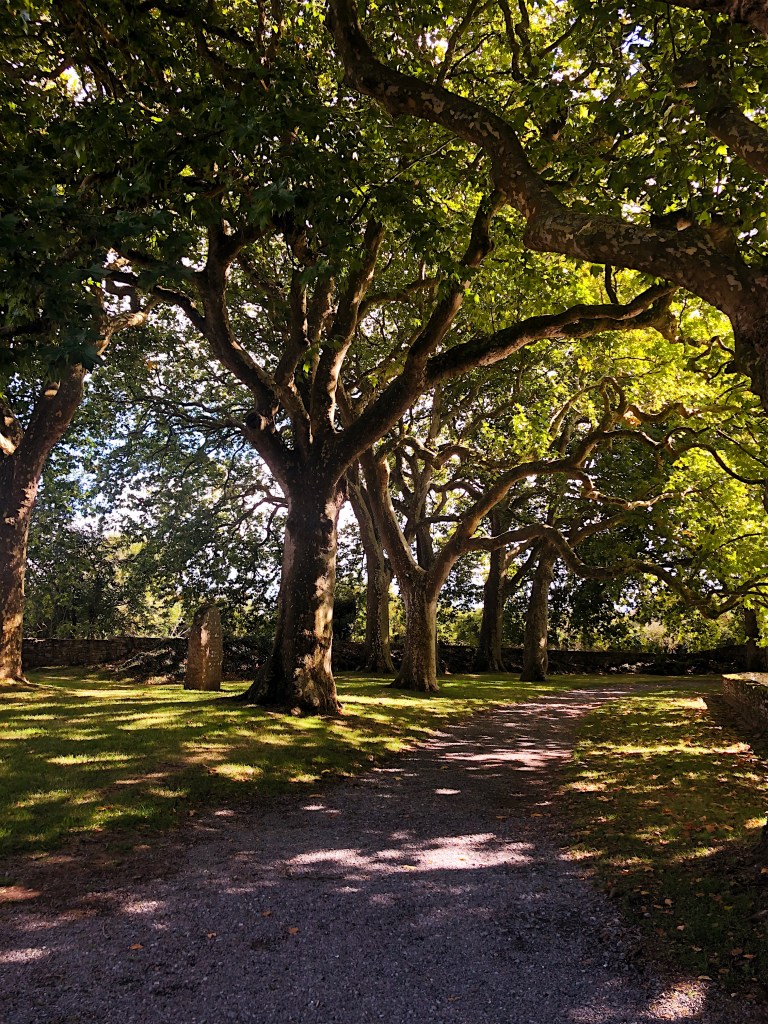
A Serene Walk Towards the Outer Courtyard

Eventually, the sun came out and we fetched up to the castle. A series of humble fortified gateways leads the visitor (or invader) into an outer courtyard. This grassy area is lined with large, mature plane trees through which the dappled sunlight shone pleasantly on this day. The gateways are not grand, but handsome and cozy, and appropriate to the scale of the castle itself. We found them to be very charming and powerfully evocative of what a perilous environment it must have been for the lords of this land – not to mention for the countless others who lived outside these walls.

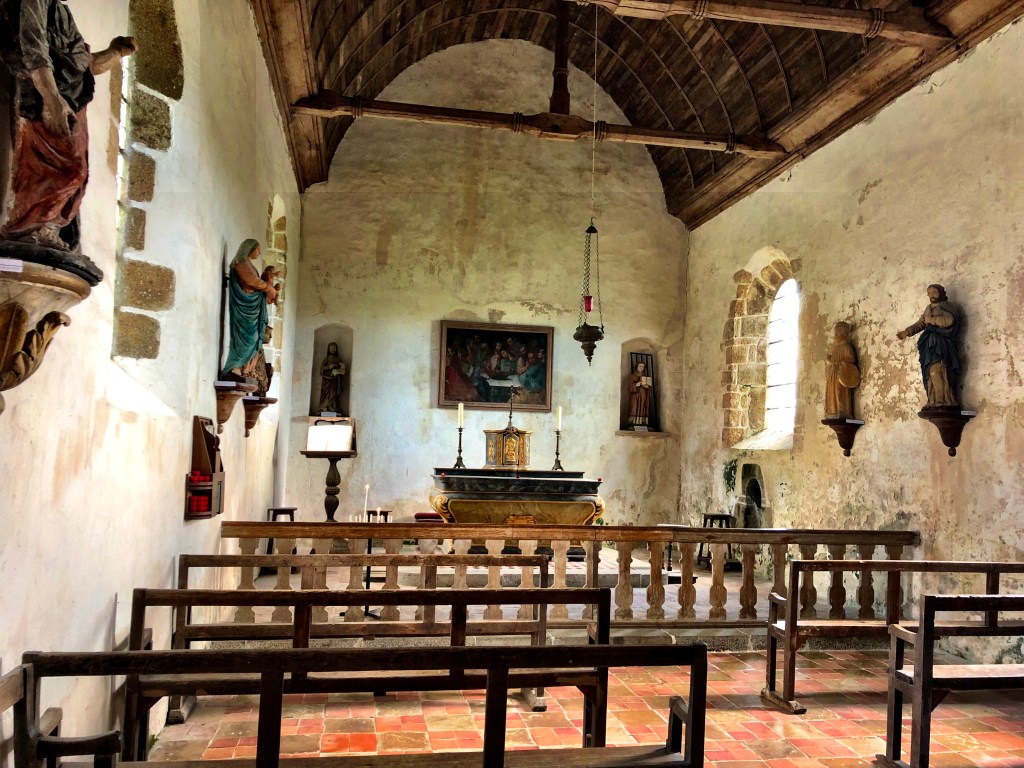
St. Lawrence’s Chapel

The outer courtyard contains a number of outbuildings, including a bakehouse, a cider house, a chapel, a courthouse and farm buildings. You can visit all of them. Of note is the chapel (rebuilt in the 1640’s) which has been fully restored. It contains several nice religious sculptures ranging from the 14th to the 19th centuries, a baroque painted alter table, and pleasant leaded glass windows with decorated panes.

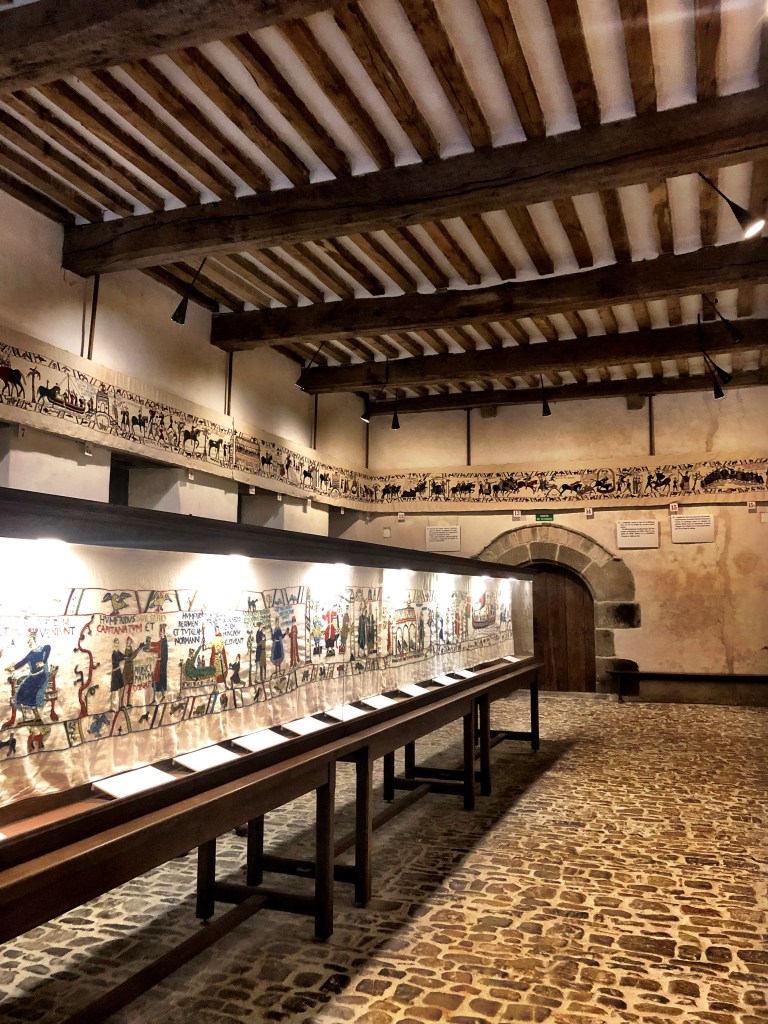
Longest Comic Strip Ever – The Pirou Tapestry

Pirou is also the proud owner of a 58 meter long linen cloth embroidered in the style of the famous Bayeux Tapestry. [Yes, technically, this is an embroidery, NOT a tapestry.] This one depicts the history of the Normans. It was wonderfully created by a local woman (Thérèse Ozenne) in the 1970’s. In fact, it took her sixteen years. Yet it remains unfinished. It’s a remarkable feat and the entire tapestry is nicely displayed, wrapping around the walls and center of the Salle des Plaids (courthouse).

The Central Fortification (right), Encircled by the Moat and the Outbuildings

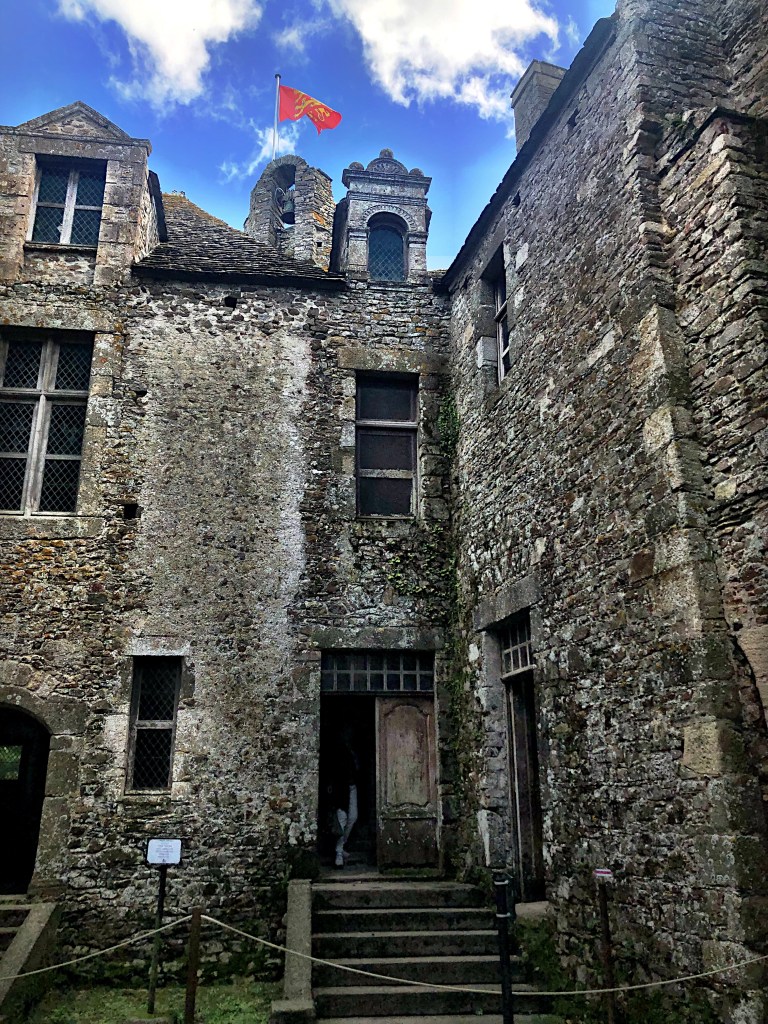
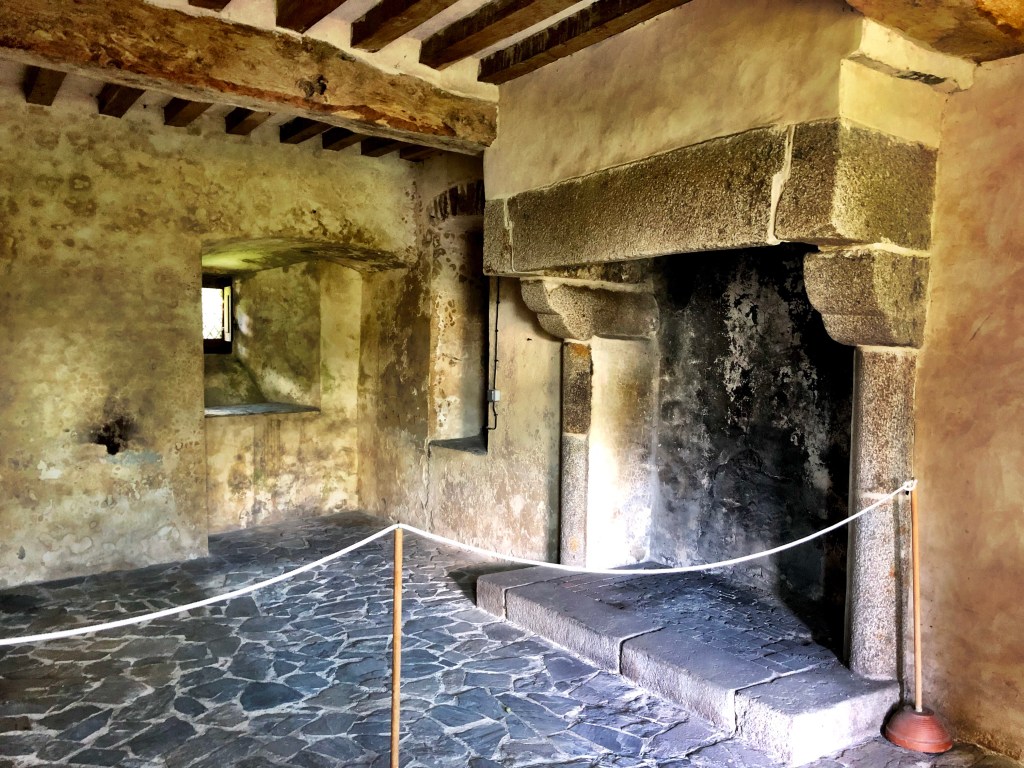
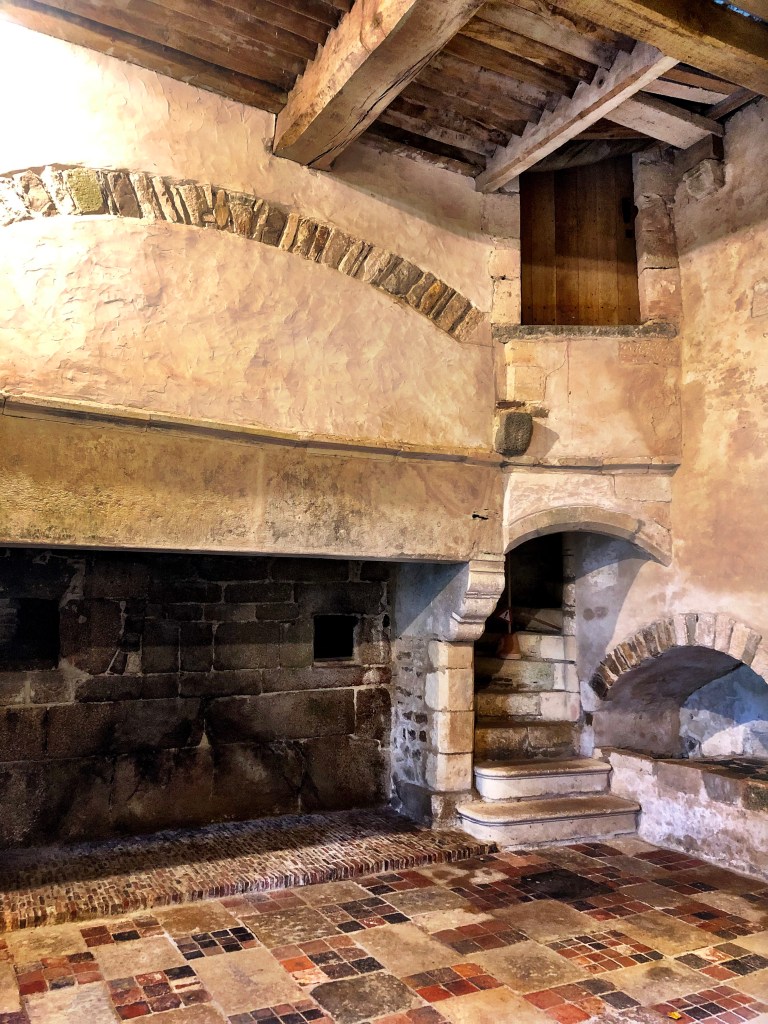
The primary enclosure, the castle itself, is entirely encircled by a water moat. When we visited, the surface of the water was a bright, almost fluorescent green from the algae, mirroring the color of the foliage above. Very pretty. A 17th century stone bridge replaced the earlier drawbridge, leading through a narrow covered gateway into the small castle courtyard. The courtyard is fully enclosed by buildings and wall. Many of the older portions of the castle are accessible, having undergone a considerable amount of restoration to their medieval origins. The way through also leads visitors to the wall walk above where one can appreciate the views not only of the château grounds, but of the surrounding countryside as well.


Our visit to Pirou was a completion of a tour, of sorts. You might recall our earlier post regarding Lucerne Abbey [Monastic Intentions: Abbaye de Sainte-Trinité de la Lucerne d’Outremer]. That and Château de Pirou were the two properties purchased and set upon a path to restoration by Abbot Marcel Lelégard. This priest fell in love with these properties and endeavored to save them from almost certain ruin. Both were, in fact, already largely in ruins when he purchased the abbey in 1959 and the castle in 1966. Abbot Lelégard organized volunteers to begin the clearing and reconstruction of these historic properties, eventually establishing a formal foundation for continued administration and ongoing conservation/restoration. My hero!

Inside the Fourth Gate

For castle enthusiasts, I couldn’t recommend Pirou more. It’s one of the best little medieval castles I’ve ever visited. Quirky, characterful, and quite old, there is an atmosphere of mellow history about the place which we found to be very entrancing. It’s a place which sits apart from the modern world in the best manner possible, creating – or perhaps, maintaining – a unique historical microclimate. One that should be preserved forever, in my opinion. It’s thanks to the hard work and determination of many dedicated people that Pirou remains. We felt privileged and very fortunate to have experienced it for ourselves.

Gatehouse (Within the First Gate)

Monastic Intentions: Abbaye de Sainte-Trinité de la Lucerne d’Outremer

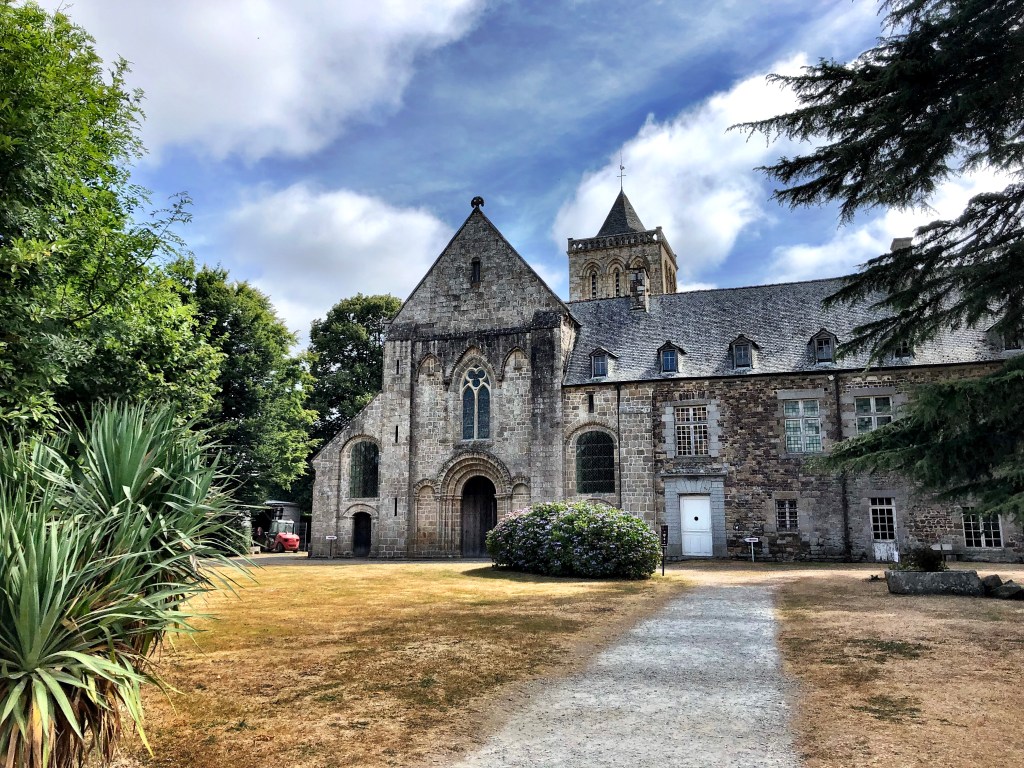
Praemonstratensian Perfection

We did a fun thing yesterday. We went to Normandie and visited the medieval abbey of Lucerne. This artfully stacked pile of stones is only about an hour’s drive northwest of Fougères. Although it was perhaps a bit warm for Cherie’s taste, the weather was otherwise perfect. Most of the drive is easy, but the last few kilometers takes you though pretty country lanes which wind their way through verdant, hedgerow-enclosed pastures and timeless farmsteads that appear to have stood in place since the last ice age. These narrow country roads, we noted, were very well kept indeed. The verges were mown with immaculate precision. And all of the power and communications lines were neatly strung on regular rows of slim steel posts flanking the way. From what we’ve seen, the vast majority of infrastructure in France is well-maintained and well-presented. But the roads in this area were above and beyond the call. Impressive. And endearing. It was a fine way to approach a medieval abbey.

Approaching the Abbey Gate

Having made our way through the very rural, very farm-y swells of low hills and valleys, lushly festooned with the bounty of the summer season, we abruptly hove into view of the abbey. A nice little parking lot awaits visitors directly across the road from the site’s entrance. But it’s the magnificent gate lodge that immediately caught our attention. It’s rare to see one so largely intact. Big. Stone. Looming. This gate entrance to the monastery says, “All ye who enter here, be thou humble.” And we were humbled. Not only by its age, but also by its gravity and the relative purity of the medieval architecture. Walking though the portal brings you to the welcome/ticket/gift shop packed with a good selection of interesting books, pantry items, toys, and historic reproductions. In fact, we left the abbey with a bagful of jams, honey, a medieval glass and some assorted gifts. The profits from the shop go to the ongoing restoration of the abbey, so it’s all for a good cause. We really love these places: the history, the heritage, the beauty of human endeavor. If only we as a species would turn more toward creating beauty instead of miring ourselves in ugly words and deeds.

Panorama of the Fish Ponds with the “New” (18th c.) Abbot’s Lodge (left), and Farm Outbuildings

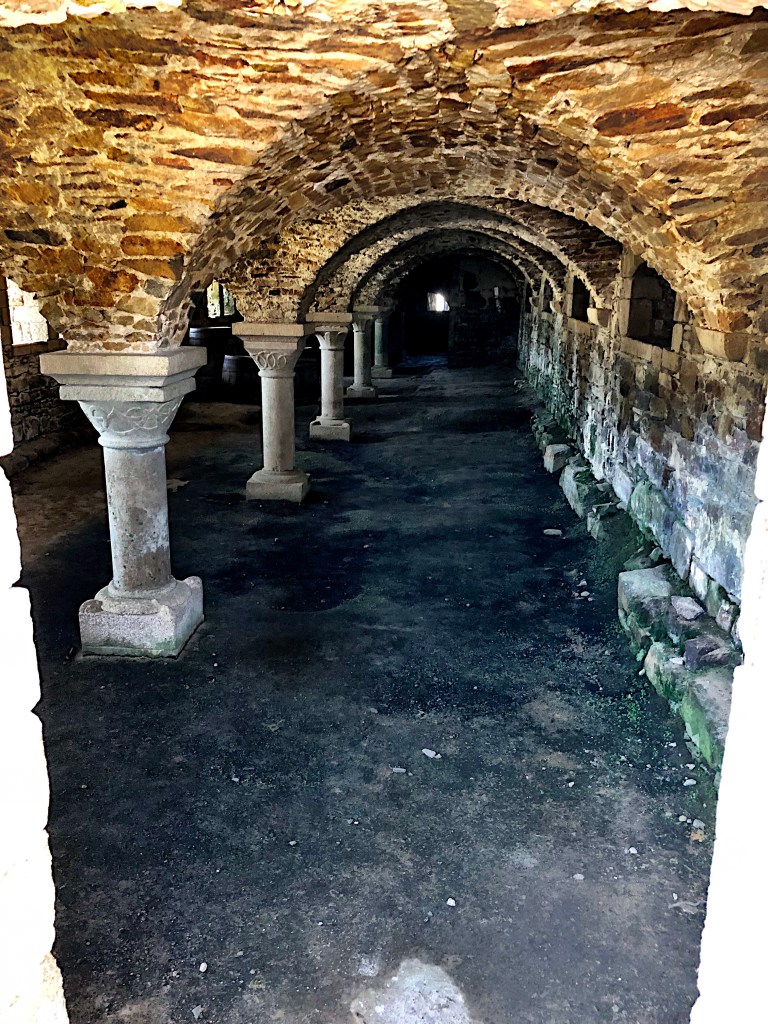
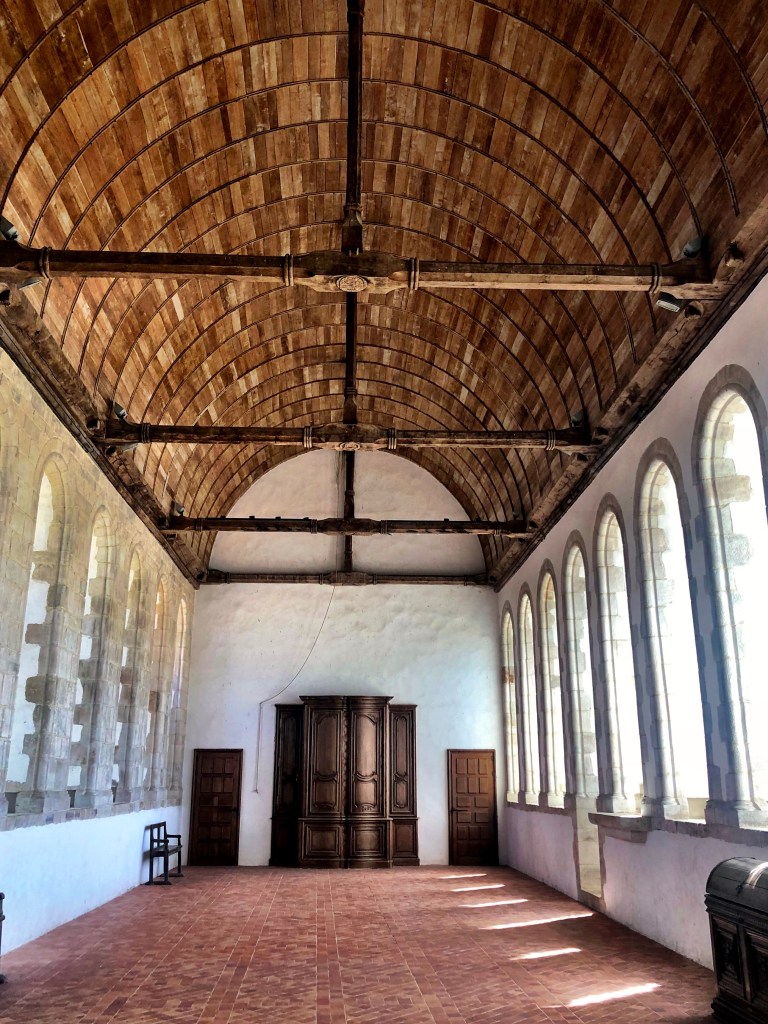
I should pause here and impart a little history. L’Abbaye de la Lucerne de Outremer was founded in the 12th century as a Praemonstratensian abbey of canons regular. If you already know about canons regular, you are either: 1. One of them (in which case, your supreme level of self discipline simultaneously shames AND annoys me), or 2. Already a past Jeopardy champion (also shamed and annoyed), or 3. A super nerd like me (and you have my condolences). The Praemonstratensian order of monastic canons began in Prémontré, France just a few years prior to the founding of the abbey at Lucerne. Unlike monks, canons regular are ordained priests. But, in the same way as monks, they choose to live together in a community guided by a monastic rule – in this case, the Rule of St. Augustine. To all intents and purposes, the canons lived lives quite similar to monks – and continue to do so in our own times.


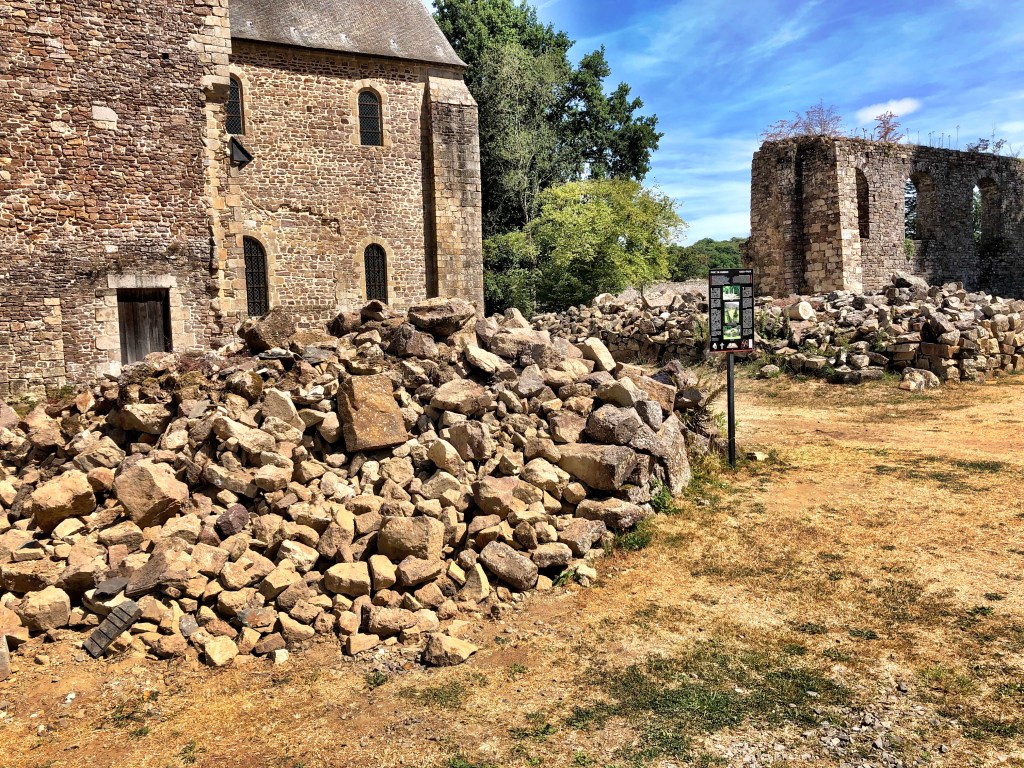
Unfortunately, the French Revolution was a pretty rough time for the Church. Many churches and monasteries were seized, ransacked, and their inhabitants thrown out. Often relegated to use as warehouses, prisons, barns, stables, grain stores, cider houses, smithies, or simply no use at all, countless numbers of these beautiful ecclesiastical buildings in France were left to decay or be stripped of their materials through the 19th century. Such a shame. L’Abbaye de la Lucerne was no exception. It was closed in 1790 and sold off to a local landowner. By the 1840’s the religious buildings of the abbey complex had already suffered extensive damage. As the 20th century rolled on, many of the structures were only visible as piles of stones. It was not until 1959 when a benevolent foundation was formed for the purpose of restoring the church and other monastic buildings, as well as reestablishing the community of canons. Since then, this foundation has completed a remarkable amount of work. Large sections of buildings have been entirely rebuilt, using as much of the remaining materials as possible. I am very much a stickler for the use of proper restoration techniques and and materials. So I was quite pleased to see that the restoration work at Lucerne appears to have been conducted with great care.


This abbey is very much alive. Not only is the abbey church still active with regular masses, but the entire complex serves as host to concerts, lectures, demonstrations, classes and other events. No, you’re not likely to catch the Rolling Stones’ “Yes, Actually, We’re Still Alive” world tour at Lucerne, but you can hear some lovely classical and cultural music. While exploring the abbey church, we happily came upon a small group of musicians rehearsing medieval and later Armenian songs. Beautiful.


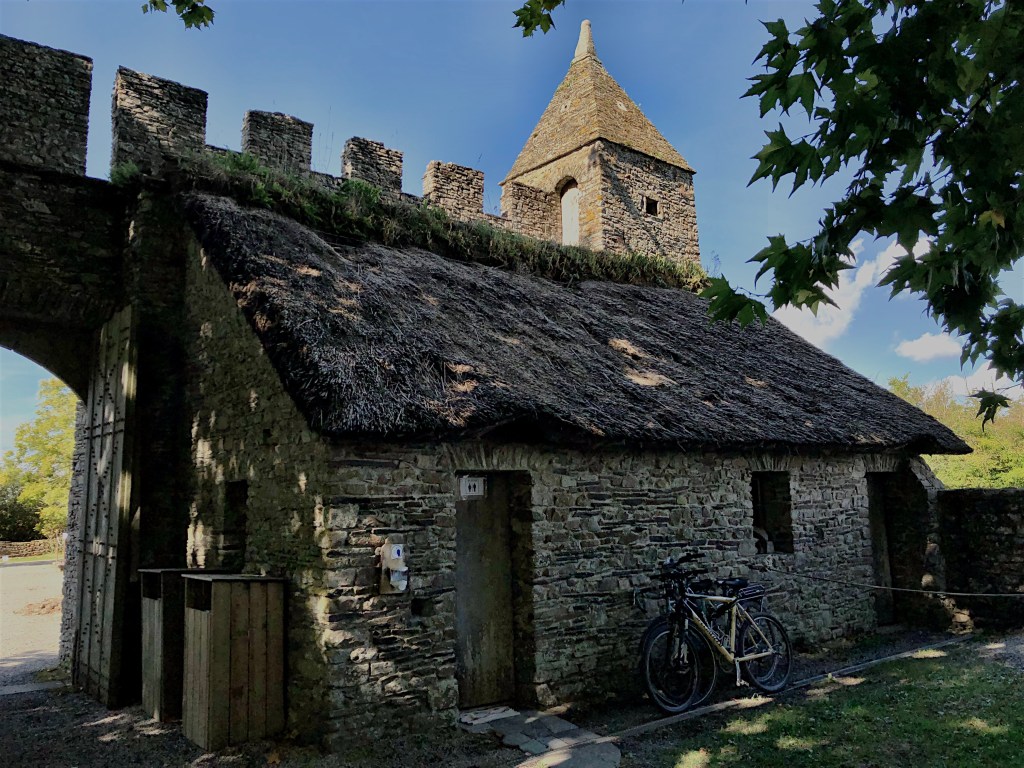
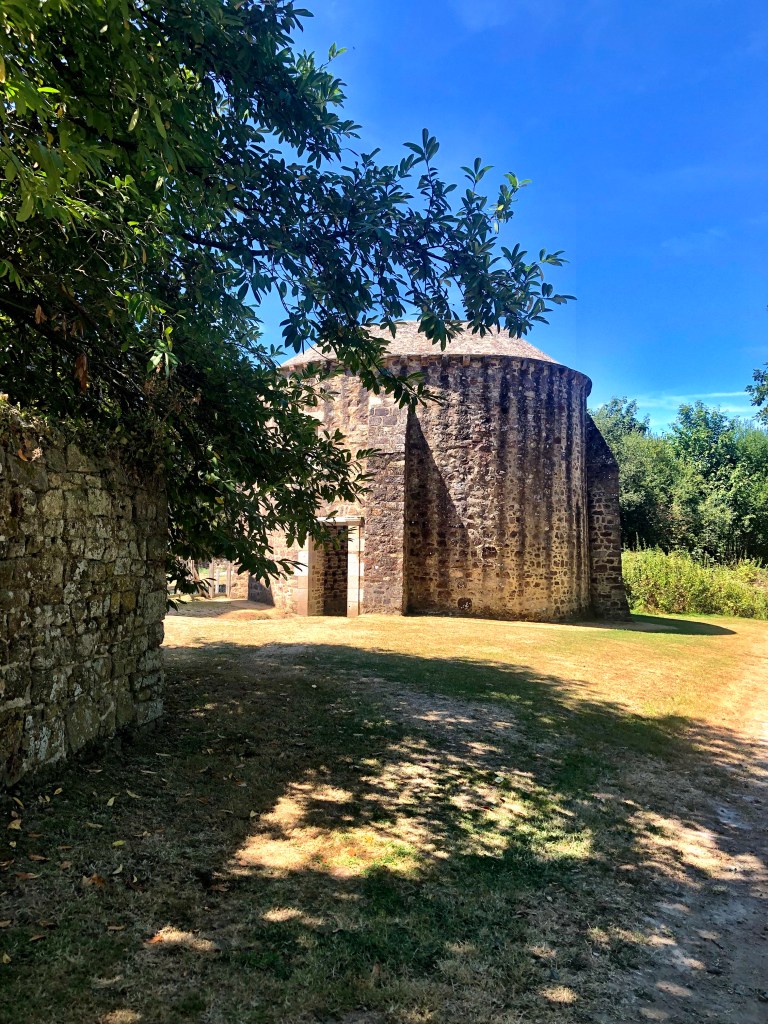
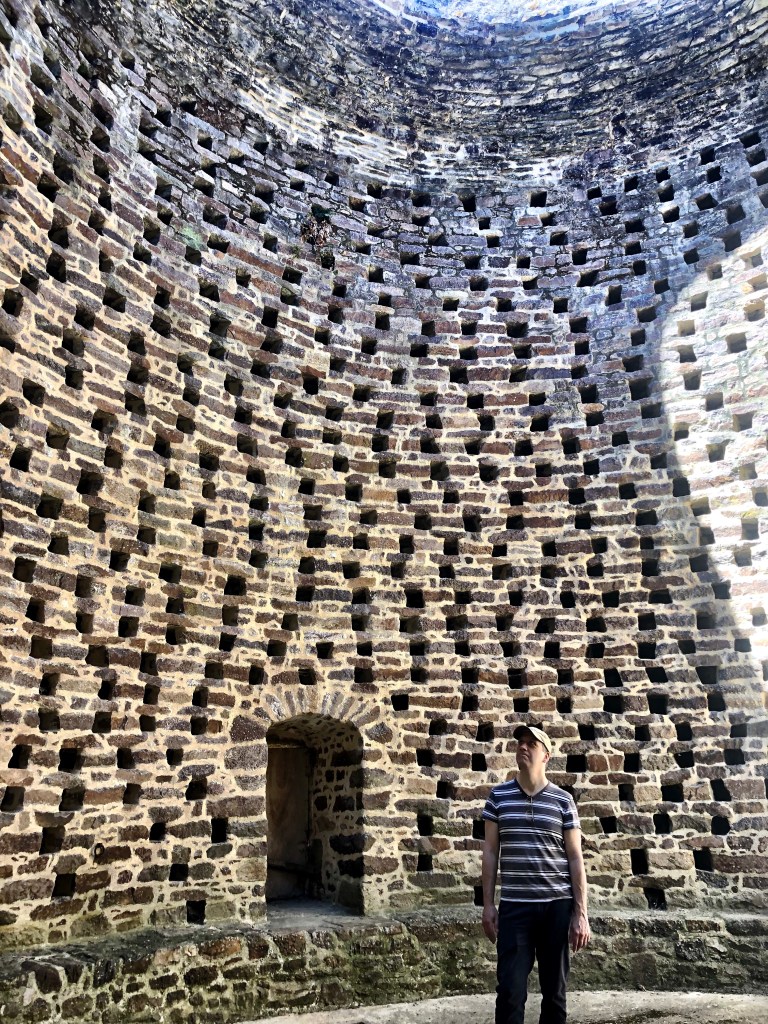
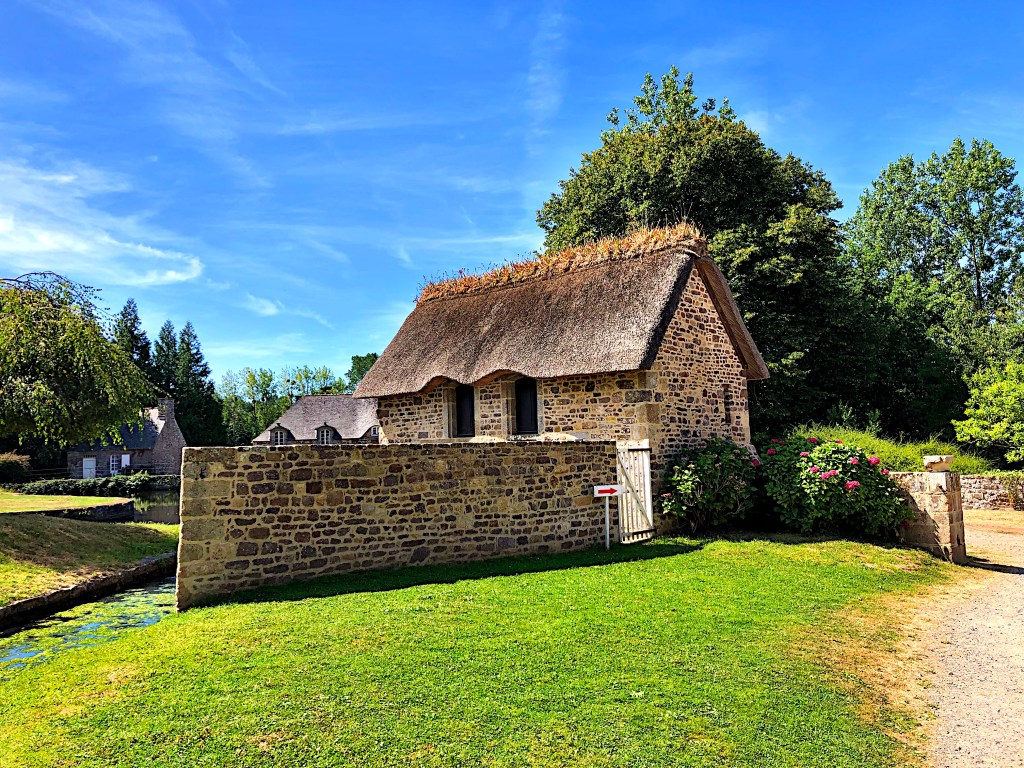
As an example of Norman romanesque religious architecture, l’Abbaye Sainte-Trinité de Lucerne d’Outremer is not to be missed. But even if that holds no interest for you, the simple beauty, the serenity, and the deep sense of history of this place should be more than enough reward for a visit. We thoroughly enjoyed our exploration of the abbey and its grounds – from the long meandering aqueduct which fed the monastery’s many needs for fresh water, the remnants of cider presses in the old orchards, the thatch-roofed Swan House, and the tranquil complex of fish ponds, to the towering stone dovecote (with accommodation for up to 3,000 birds), there is so much to feast your eyes upon. If you should ever have a chance to see it yourself, your heart will surely thank you.

Seriously, How Cute is That? – The Swan House
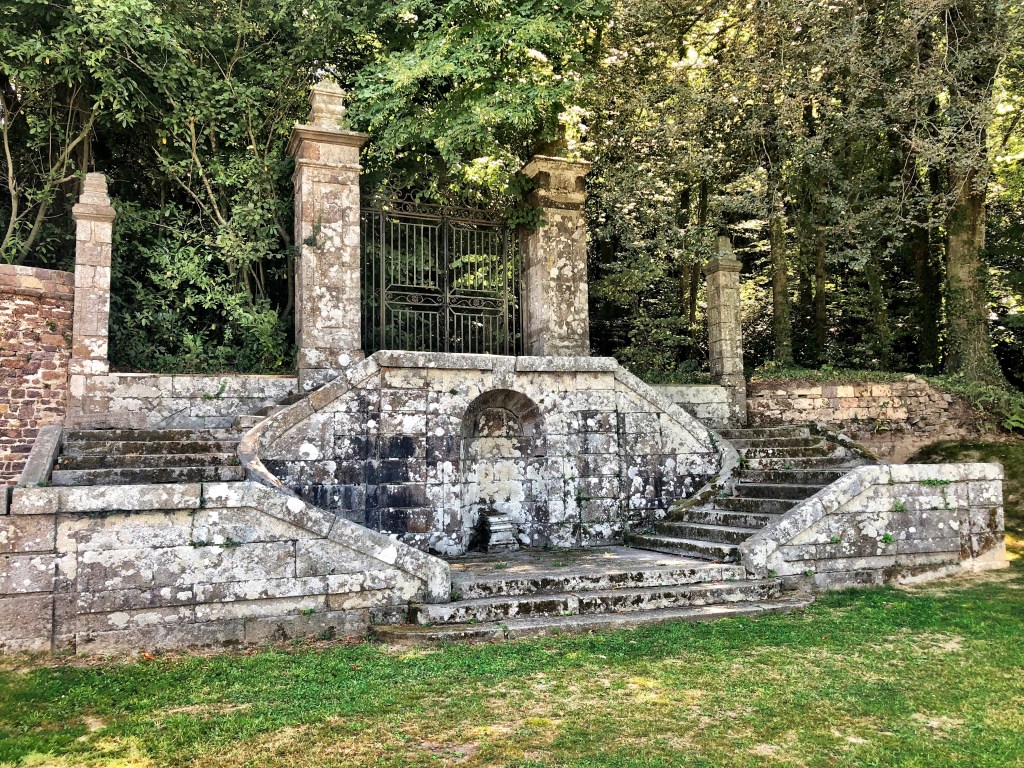
The Woodland Gate
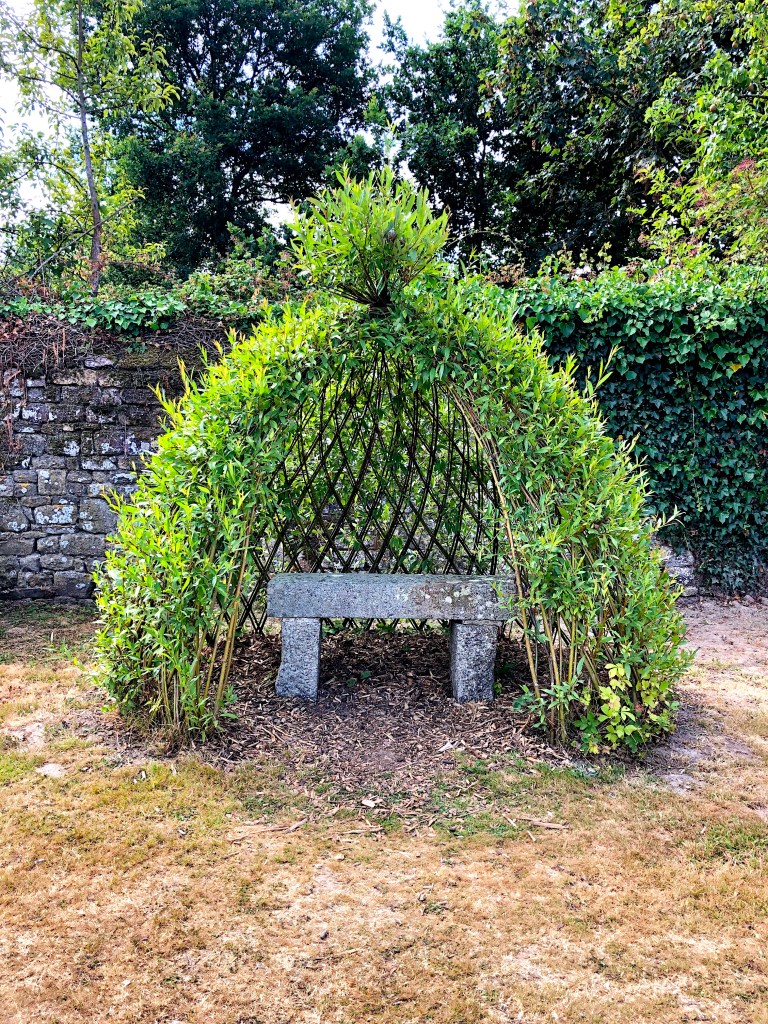
A Bower of Willow in Which to Reflect
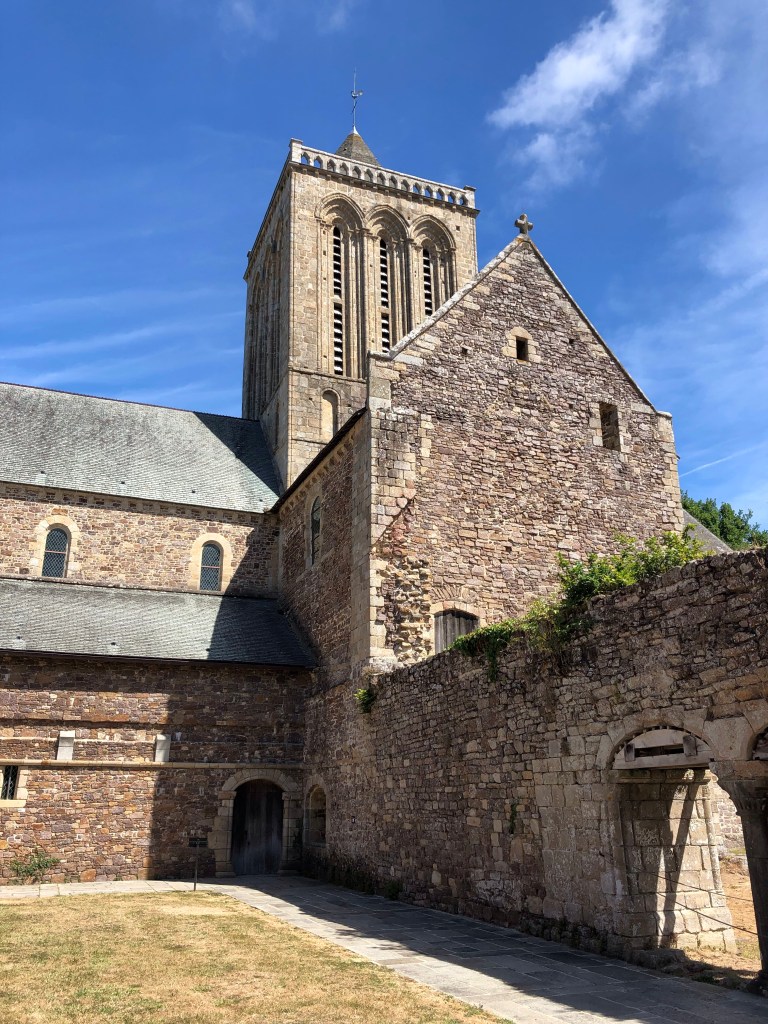
View From Within the Cloister