Whim. Such a great word. I like the sound of it. Whimsical, whimsy – those are good ones too. Good, woody sorts of words.* Words that will take you far in life. Perhaps even lead you to discover unexpected and lovely things.
Today, on a complete whim, we decided to take a short drive to the east of us, in search of two sites. To be honest, we had earlier planned to visit a town much further away. But we slept in. A lot. By the time we roused ourselves out of bed, it was much too late to get there and back in time for Saxon’s afternoon walk. We didn’t have the heart to break our dog’s schedule. He’s very punctual. So we hastily picked a couple of alternates and headed off , not really knowing what we were going to find.

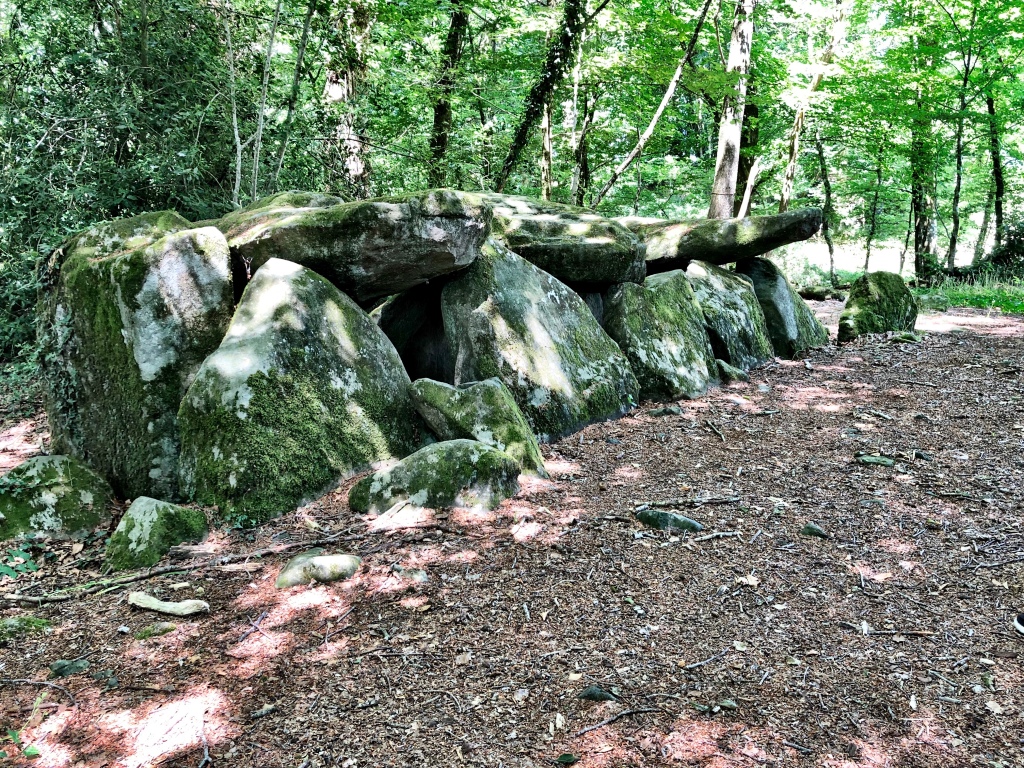
First on the agenda was an allée couverte, or dolmen. Just one of a multitude of prehistoric megaliths dotted around western France, the Dolmen de la Contrie is a burial chamber constructed sometime between three to seven thousand years ago. This particular dolmen is located Mayenne, in a wood just north of the town of Ernée. Not the easiest place to find, we followed country roads to a turnout with some aging signs which may, or may not, indicate that one is allowed to walk through private property 100 meters to the site. We were a little apprehensive, but marched down the trail which leads pleasantly through a stony wood bordering secluded pastures. It was hot, so we were glad of the shade as we trampled onward. Not a soul was about. Not even a cow.

The trail emptied into a small, open grove of ivy-covered maple and beech trees. A small, clear brook gently burbled around the edge of the grove. There, in the center, stretched the line of massive,carefully laid stones like an ancient dinosaur frozen in time. Impressive. Awe-inspiring. Astonishing. Take your pick. We’ve seen several of these prehistoric megalithic structures now, and still they do not fail to immediately bring us to a stunned silence. It is simply stupefying how clever and industrious our prehistoric ancestors could be. I cannot really articulate why, but it somehow feels important to witness their efforts, to marvel at their accomplishments. It’s a humbling but satisfying experience. And only 20 kilometers away from home. How lucky is that?

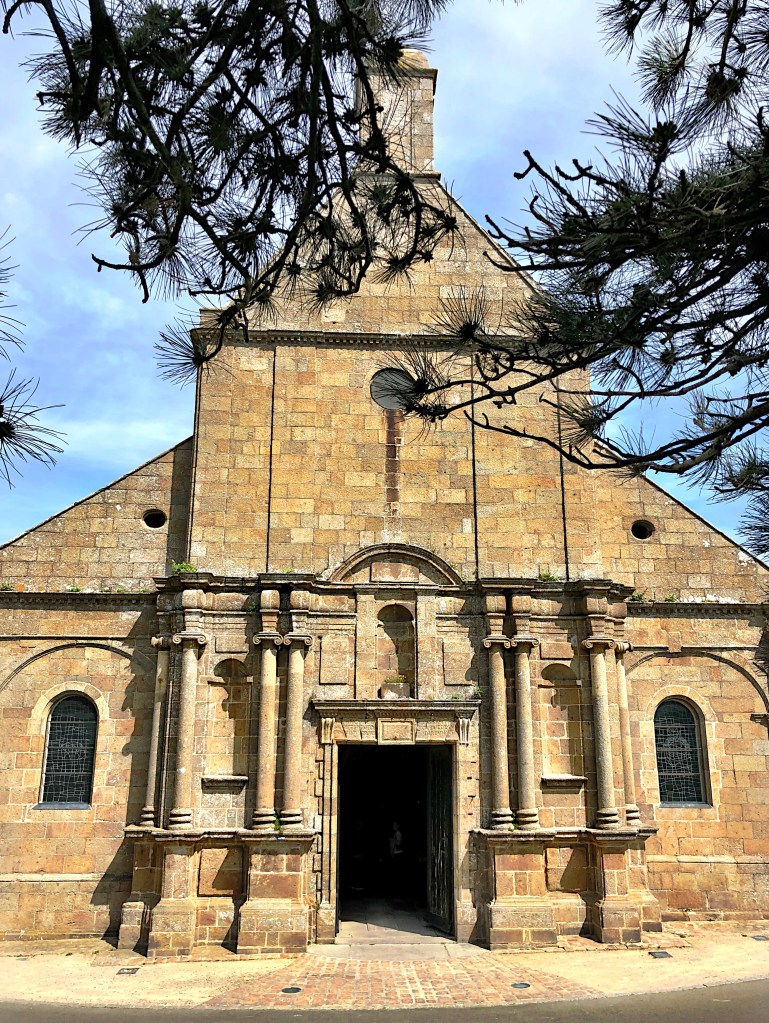
From the dolmen, we hopped back into Ernée where we slightly crashed a funeral in order to use the public toilettes by the church. We were appropriately discreet and I think we managed not to offend anyone. Needs must. Slinking away, we dashed into a boulangerie where our sad faces convinced the baker to make us an after-lunch jambon et beurre (ham and butter on baguette) sandwich which we shared in the car.

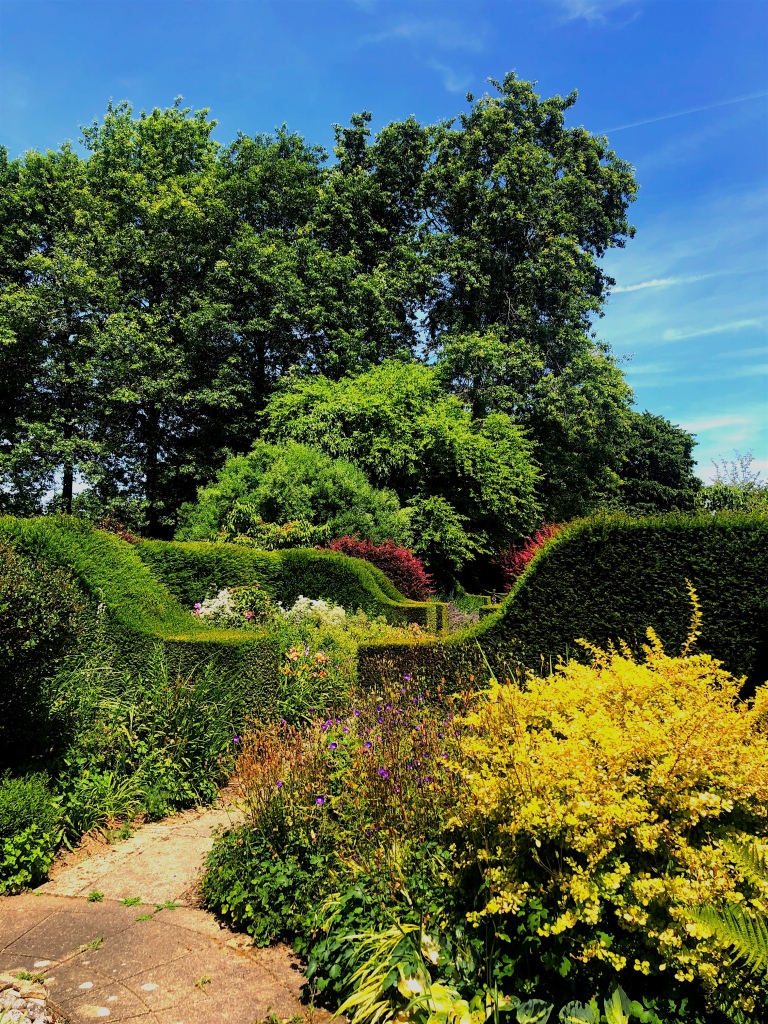
Our next target was a garden: Le Jardin de la Pellerine. Classed as a jardin remarquable it’s only 18 minutes by car from our house. We have passed the sign pointing to this garden a number of times on our way to other places, but had not before given it much regard. Still, it was intriguing. And this time we thought, “Why not?” So, a short twist through the small village of La Pellerine and then a couple of kilometers amongst the open, undulating farmlands beyond, one comes to a lovely cottage surrounded by beautiful hedges and trees.
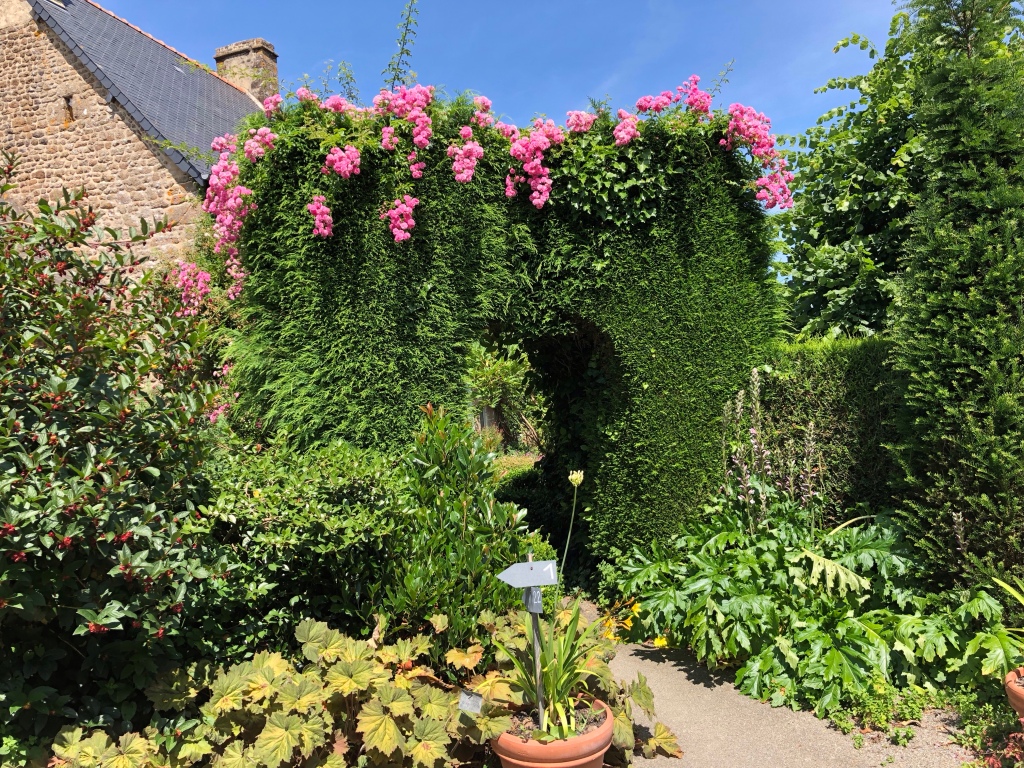
Initially, we weren’t sure if we were in the right place. The French, it seems, excel in the art of subtlety when it comes to marketing. They are, in our experience, so subtle as to be positively enigmatic. Therefore the signage here (to the extent we could find it) was diminutive and somewhat confusing. But we eventually managed to work it out and we soon found ourselves at the garden’s welcome desk where we were met by yet another notice scrawled on the table: “Je suis dans le jardin … Follow the numbered signs.” Casual-cool, we supposed. We shrugged our shoulders and continued on, looking for sign number 1.

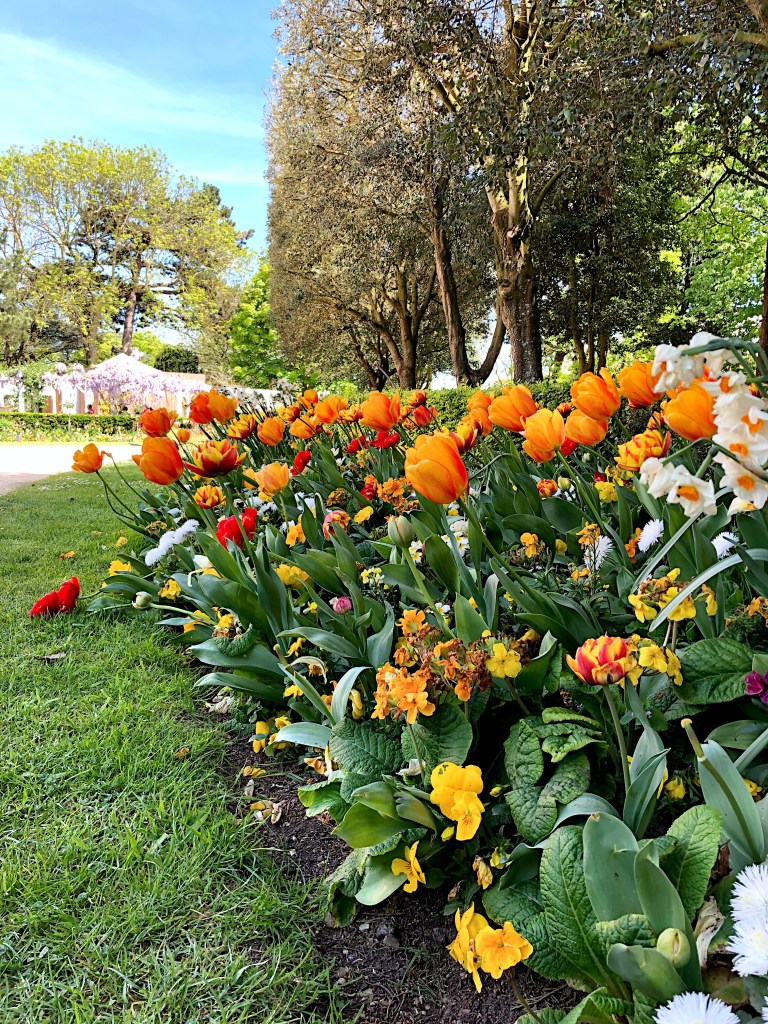
As it happened, the numbered signs pointing the way through the various areas of the garden were very regular and clear. We had the entire place to ourselves and enjoyed a tranquil meander through countless garden rooms. There was a gentle breeze bringing us a myriad of floral perfumes and a ever-changing chorus of birdsong as we feasted on the visual delicacies of carefully curated herbaceous borders. The color palettes of each space are generally subtle and very pleasing. This gardener is not aiming for the botanical fireworks of the great château gardens. No, she has wisely painted her canvas with the gentle, classically calming colors of the french countryside. It is beautifully accomplished.
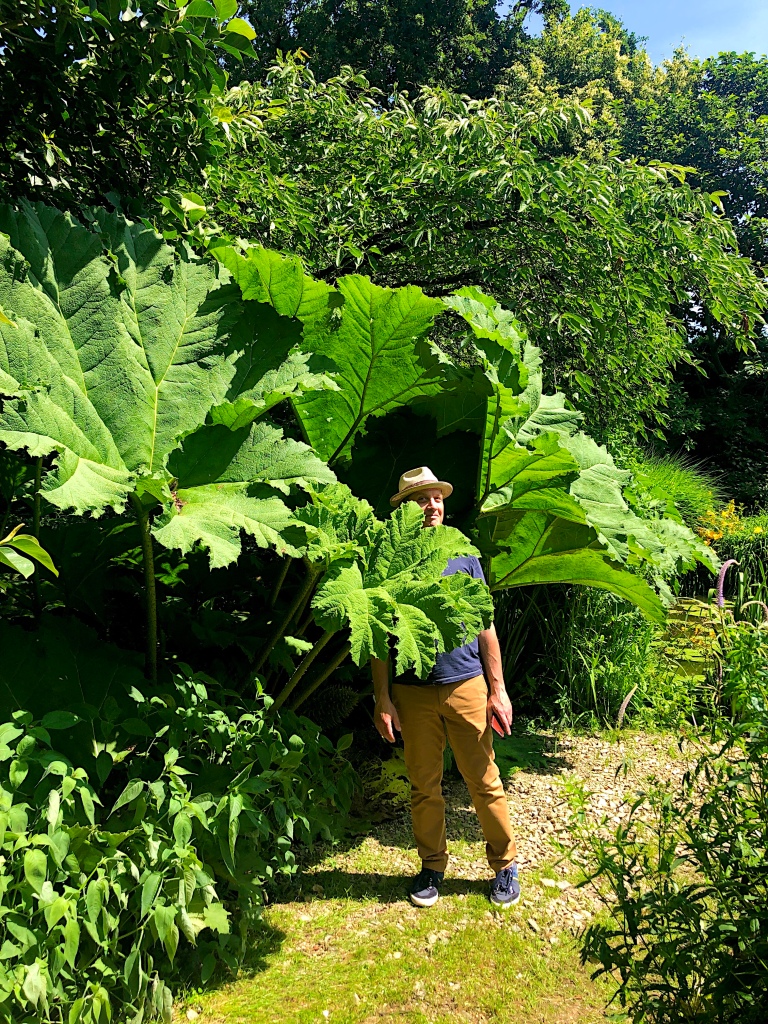
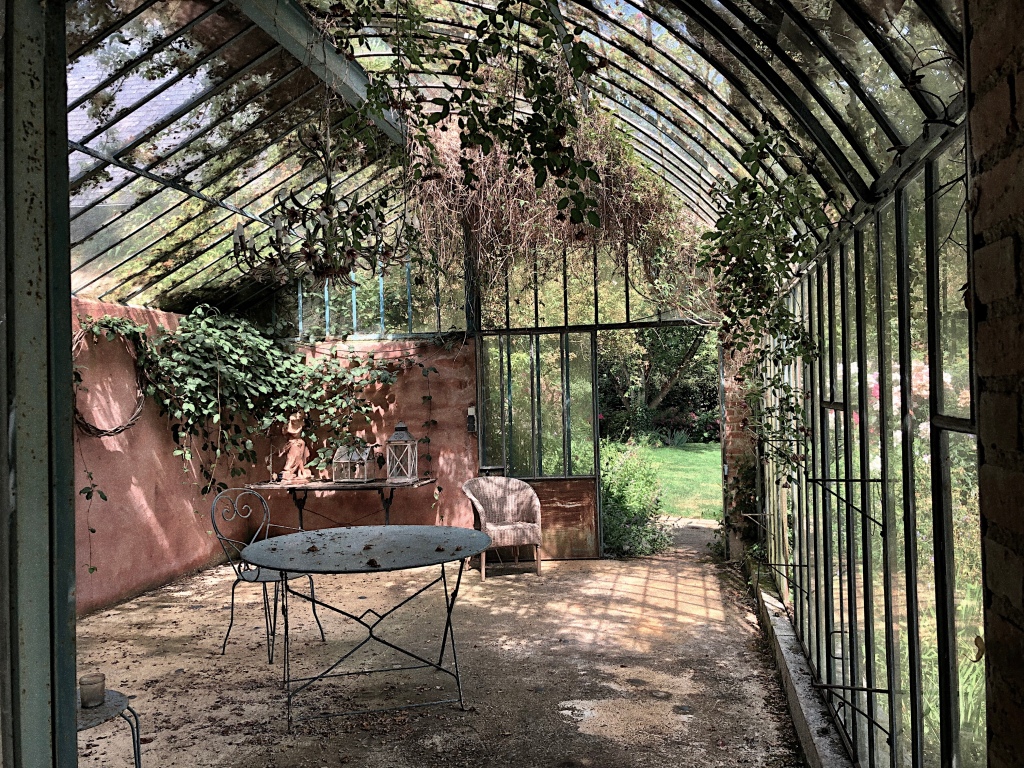
And it spreads over several acres. With her home firmly, organically situated in the center, La Pellerine expands into more open lawns, a charmingly shabby-chic conservatory, ponds, water features, bridges and woodland paths. The owner/designer has created an oasis of shaded and sun-dappled tranquility midst the vast hectares of open farm fields which surround it. The effect is magical and we thoroughly enjoyed our visit there.

It was only at the end of our tour when we met the owner. She accepted our money for the entry fee with complete nonchalance while chatting with us and sharing her lovely dog, a wirehaired pointing griffon. She was quite happy to have her belly scratched – the dog, that is.
On all counts, our whims had paid off handsomely today. In the space of an afternoon, with minimal driving, we had sparked all of our senses and returned home feeling all the happier for it. And, we had discovered a couple of hidden gems, cultural sites which are well off the beaten track but deserving of greater attention. That, in my humble opinion, is a good day in France.

*Name that Monty Python sketch. If you can, you’ve just had a very happy thought indeed. You’re welcome. If you are unaware of Monty Python, you have my sincere condolences.






 Finding Our France