Our Little Corner of France: Malestroit and the Val d’Oust

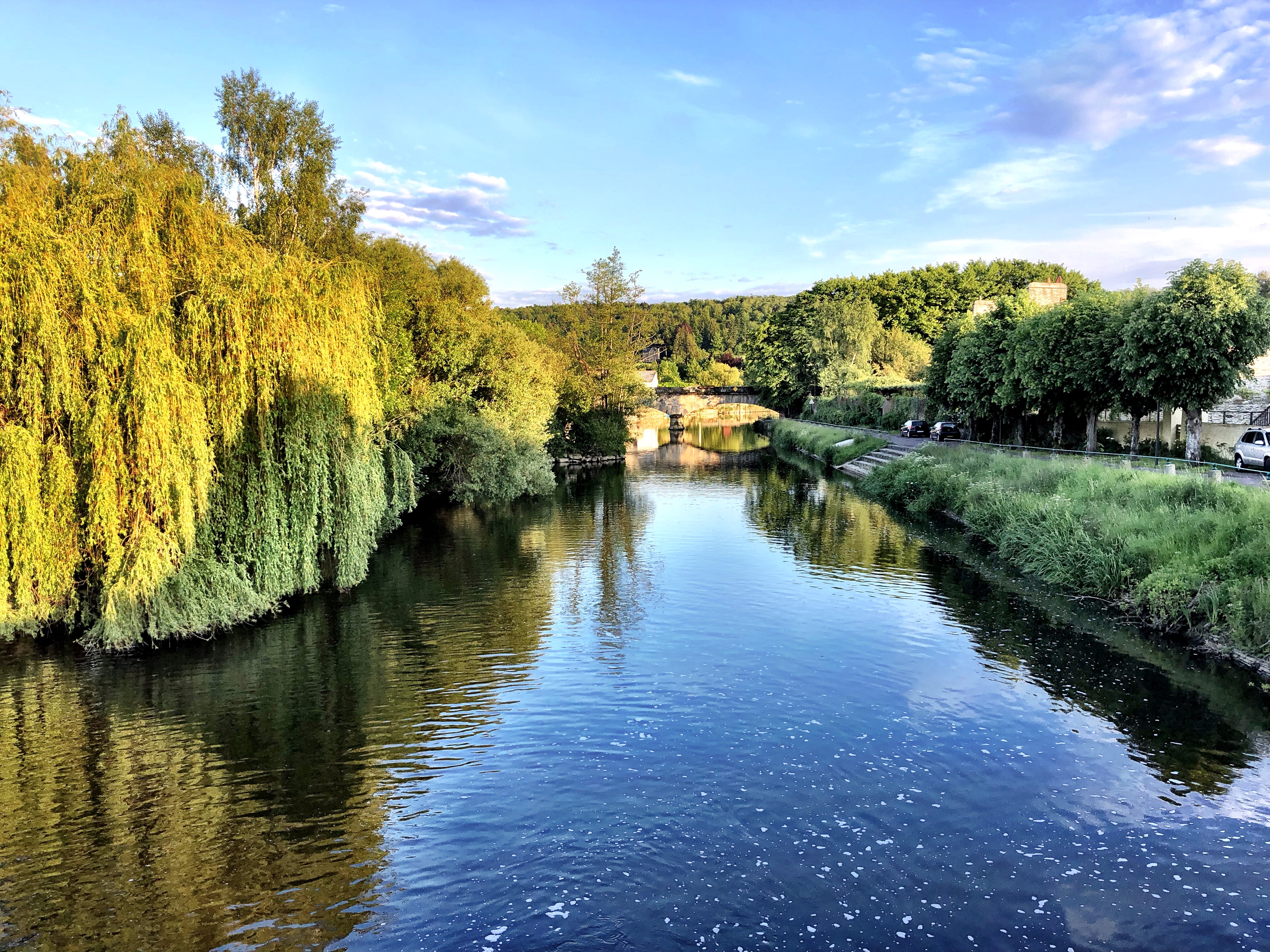
The River Oust, Malestroit

It was somewhat a random choice for Cherie and I to end up in this part of France. As regions of the country go, Brittany is not as well-known (particularly for geographically-challenged Americans) as, say, Provence or Normandy. The mention of Brittany generally leads to a reaction of embarrassed confusion or a knowing nod of the head in the mistaken belief that I am referring to Great Britain. Being smug, Europe-loving nerds, we both already knew the region’s geographic location. But that was about all we knew.

Ignorance has never – ever – stopped Americans from doing a thing that might seem (and probably is) crazy, if not entirely ill-advised. I offer you the deep-fried Hostess Twinkie as just one example. So it has been with great joy that the two of us are discovering the richness of Brittany. At the time of this writing, we have only been here for about nine months. Consequently, there are huge swathes of the region which we have yet to visit. But, the little pocket which we have called home since leaving Seattle is certainly itself worth exploring.
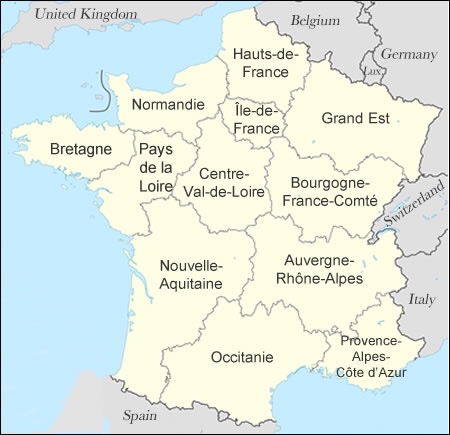
Administrative Regions of Metropolitan France

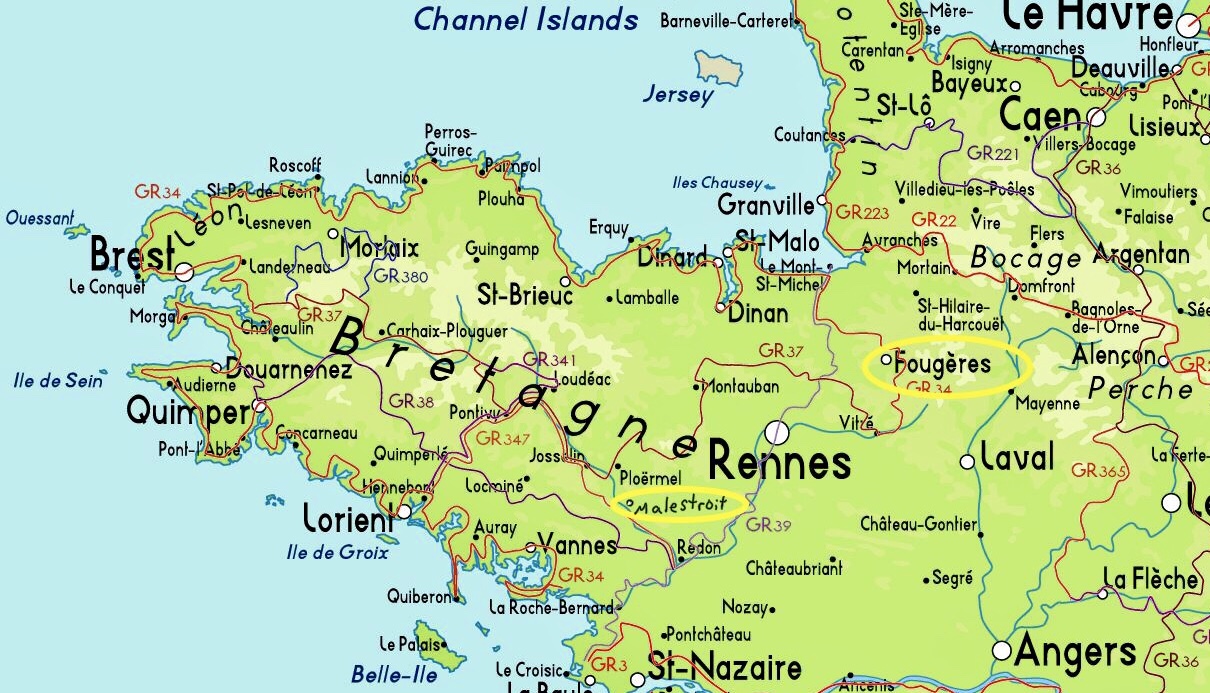
If you’re still a little fuzzy on the geography, Brittany (Bretagne in French) is the westernmost point in France. On the map above, it is on the far left, with Normandy to the north and the Pays de la Loire to the east and south. Bretagne is one of 13 (including Corsica) régions in mainland France. These are the rough equivalent to states in the U.S. or provinces in Canada.

There are 96 départements (similar to U.S. counties) in France. Bretagne itself is divided into four départements: Finistère in the west, Côtes d’Armor to the north, Ille et Villaine in the east, and Morbihan to the south. Each department is codified by a two-digit number and every postal code in the départements begins with these two digits. Morbihan’s is 56; Ille et Villaine 35.

Since living here, we’ve begun to realize that these two numbers show up on nearly everything even remotely administrative in nature; from your car’s license plate, to your electric bill, to food packaging to demonstrate it is locally produced. I’ve been asked for these numbers by my doctor, by cashiers at the home improvement store, and by random people we meet on walks. At first, we thought it a bit strange. But we’ve come to admire it. These departmental codes are a useful shorthand for quickly identifying any part of France. Moreso than people do with their state in the U.S. (with the possible exception of Texans), Bretons tend to link their identity with the département in which they live. It’s just a feature of the culture here and we find ourselves adopting the practice as well. At this moment we are 56’s, but when we make our final move to Fougères, we will be 35’s. Like all 35’s, we will be secure in the knowledge that ours is the best code in all of France.
Bretagne

Our first home in France has been Malestroit, a lovely town in the department of Morbihan. Malestroit is small enough that it often does not show up on the less-detailed maps of the area. On the map above I have penciled it in and circled its location. [Look for it just below the end of “Bretagne”. While we’re on the topic of geography, I have also circled Fougères, the town where we have purchased our home-to-be to the northeast of Rennes.] A community of some 2,400 souls, Malestroit is, like nearly all French towns we have visited thus far, a compact town with nearly all of its dwellings, shops and services within walking distance.
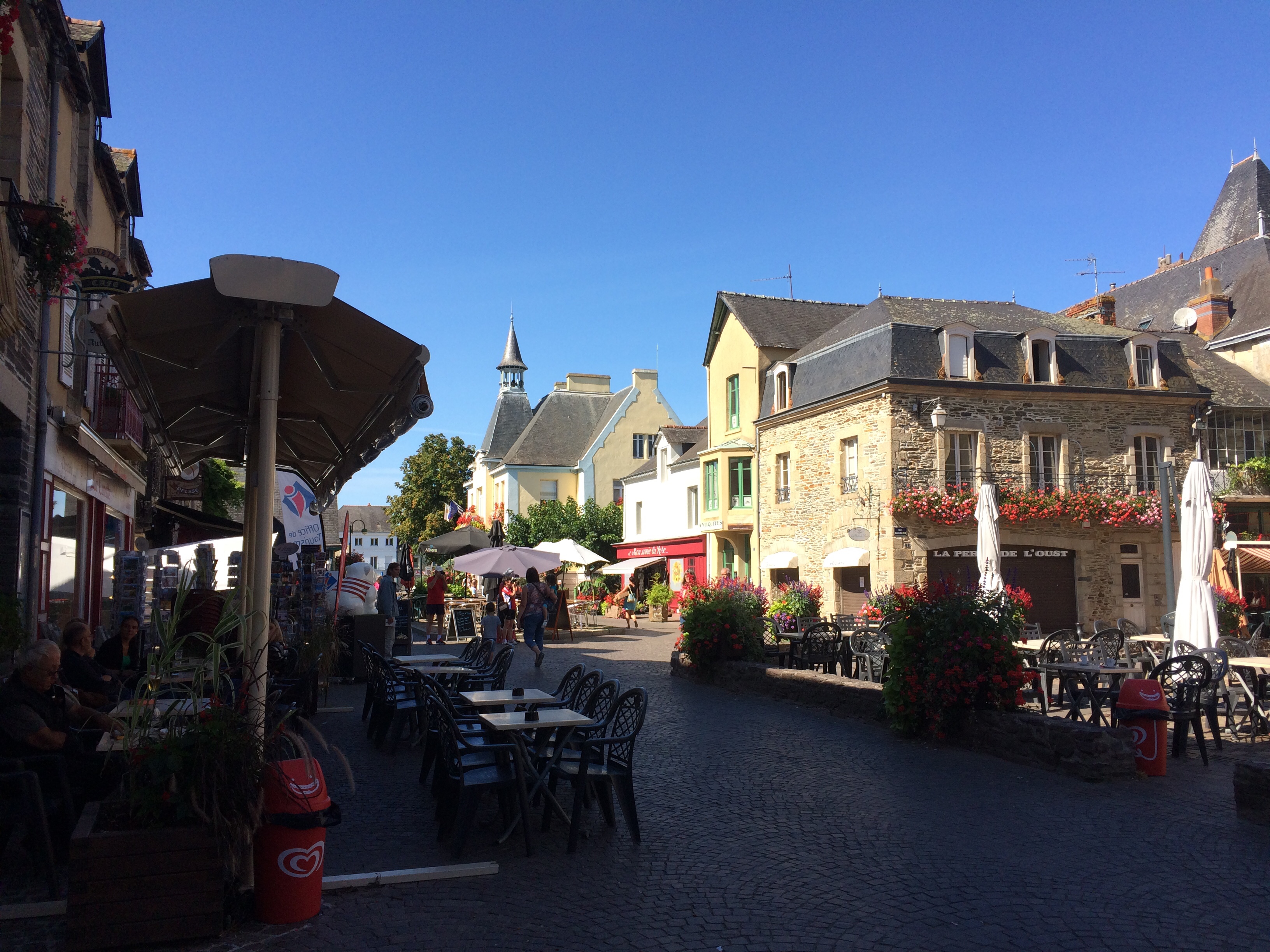
Cafés, Shops and the City Hall (in the distance) on the Place du Bouffay, Malestroit

We were amazed that such a small town would contain so much. There are three large grocery stores with another medium-sized convenience grocer, two more specialized food shops, a large multi-discipline health center, a hospice hospital, several individual health specialists, at least eleven restaurants and cafes, four bars, two news agent shops, two boucheries (butchers), two pharmacies, a post office, florists, car repair garages, garden centers, a veterinarian center, and more banks and insurance offices than I can count. It is, like most french towns, self-sufficient so that not often does one find it necessary to travel to a regional city for things.

Most important to us is that there are two boulangeries; both are lovely and we make daily pilgrimages to them for our required diet of fresh bread and pastries. Always pragmatic when it comes to their food, these two bakeries have arranged their hours so that one of them is always open when the other is closed for the day. And, apart from the grocery stores and cafes, they are the only shops which do not close for the sacred lunch hour(s). Very convenient, but bad for what has become our regular diet of bread, butter, pastries and tea. I tell you, though, it’s impossible to deny yourself a freshly-baked, warm pain au chocolat in the morning – or for lunch; or tea time; or in the evening. It’s a good thing they’re not open at midnight!

On the Towpath, the Nantes-Brest Canal on the Edge of Malestroit

Malestroit lies at the heart of the Val d’Oust, the Oust river valley. The Oust runs southeasterly for many kilometers through the interior hills and vales of Morbihan until it joins up with the larger Villaine in Redon on the eastern border of Bretagne. This waterway forms part of the canal network which spans 385 kilometers (239 miles) from the city of Nantes in the Pays de la Loire in the south to the city of Brest at the far western tip of Bretagne.
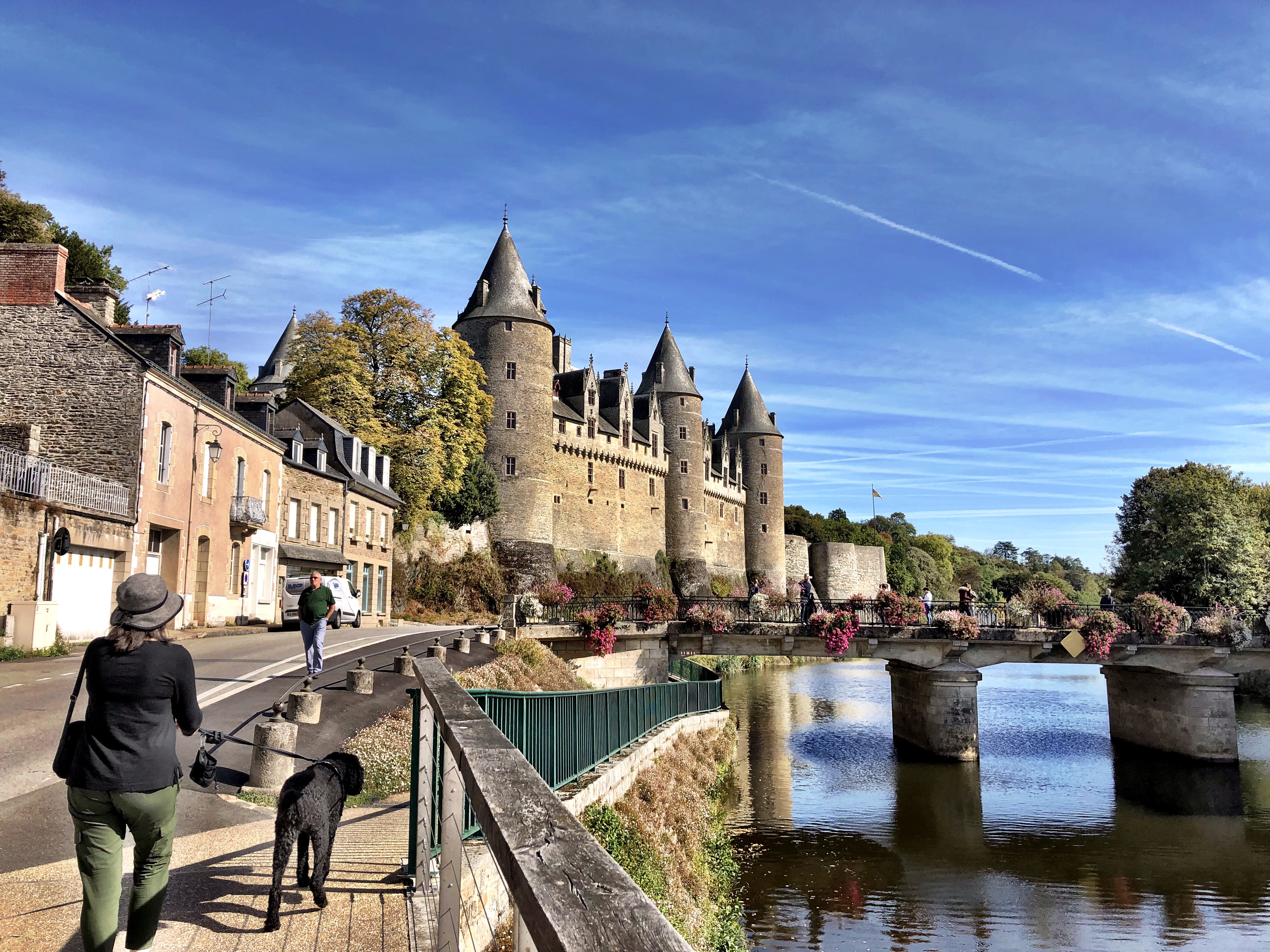
Cherie and Saxon in Lovely Josselin
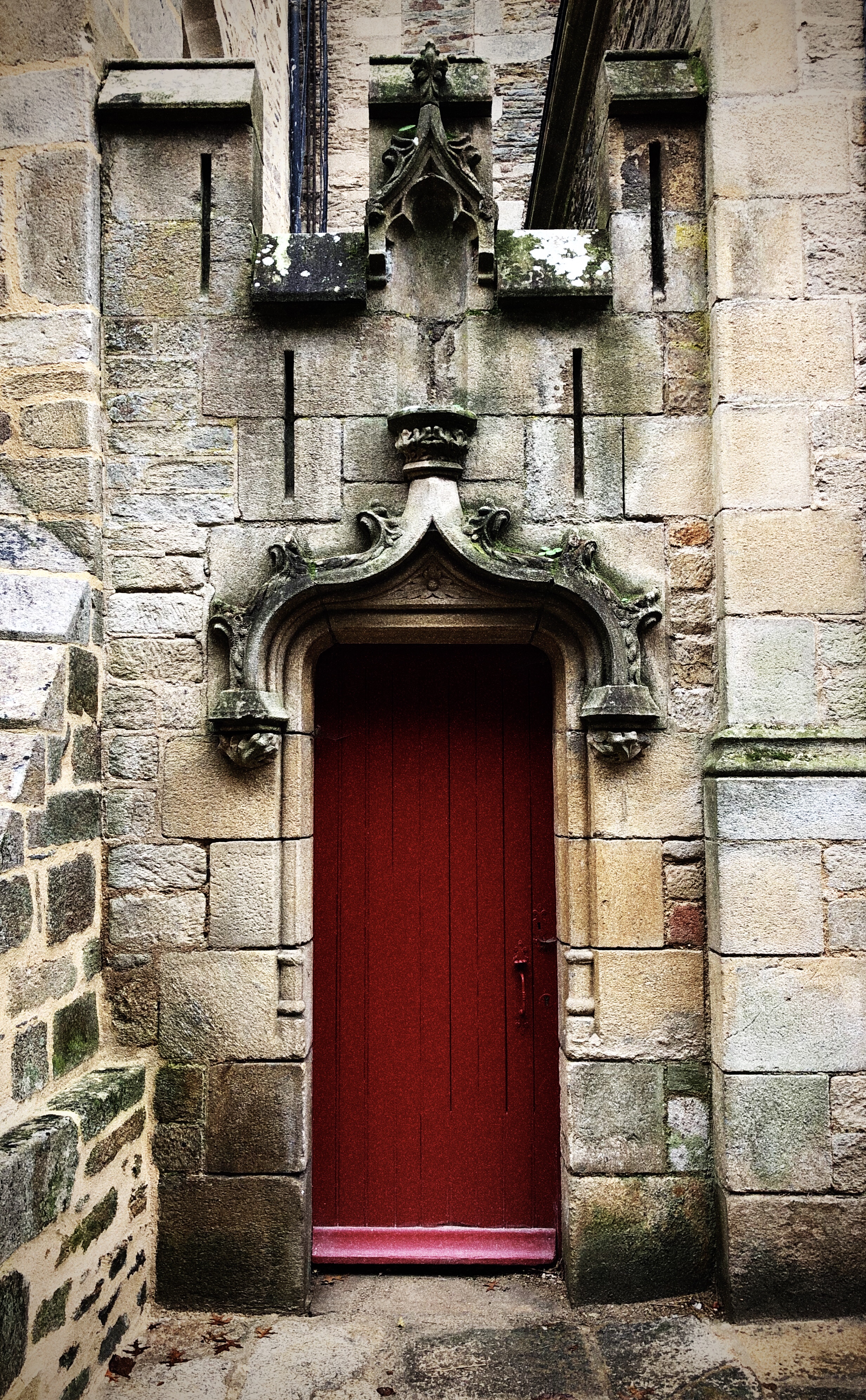
Renaissance Doorway, Josselin

Along the Oust are several other beautiful towns, each with their unique character. Such a one is Josselin. Only a 25 minute drive to the northeast of Malestroit, this lovely town on the Oust boasts a magnificent castle (pictured above) and a picturesque medieval center connected by cobblestone streets. It’s a joy to visit, as we frequently do to take long walks along the towpath there. They also have a pretty good boulangerie!

A Sunday Afternoon Jaunt Along the Canal
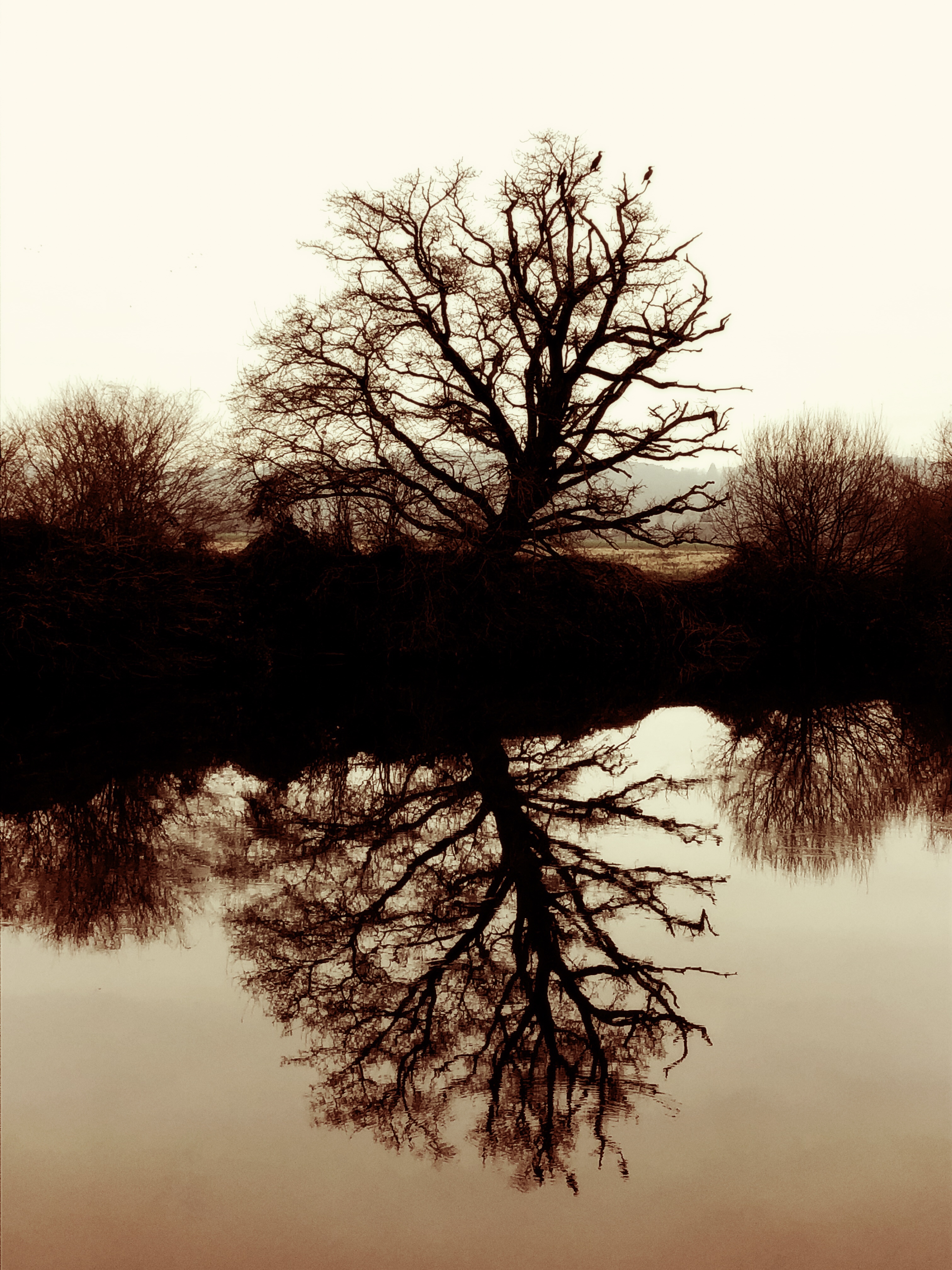
Cormorants Admiring the Reflection, the River Oust at Saint-Congard

For walkers, runners and bicyclists, the towpath along the tranquil Oust and the canal which intertwines with it is a real godsend. We walk along it every day at one point or another along the many kilometers up and down the valley. Everywhere we have plied it the path is flat, paved and very well maintained by the canal authority. The towpaths are very popular and they see a lot of traffic by locals and visitors of all ages. Sunday afternoons following Holy Lunch Hour(s) seem to be the most busy times, the paths abuzz with men, women, children, dogs, bicycles and horses (sometimes pulling a carriage as shown above). Add to that the many canal boats which ply the waters, bearing their relaxed and content passengers slowly along, and the atmosphere can’t be beat. It’s a beautiful thing.
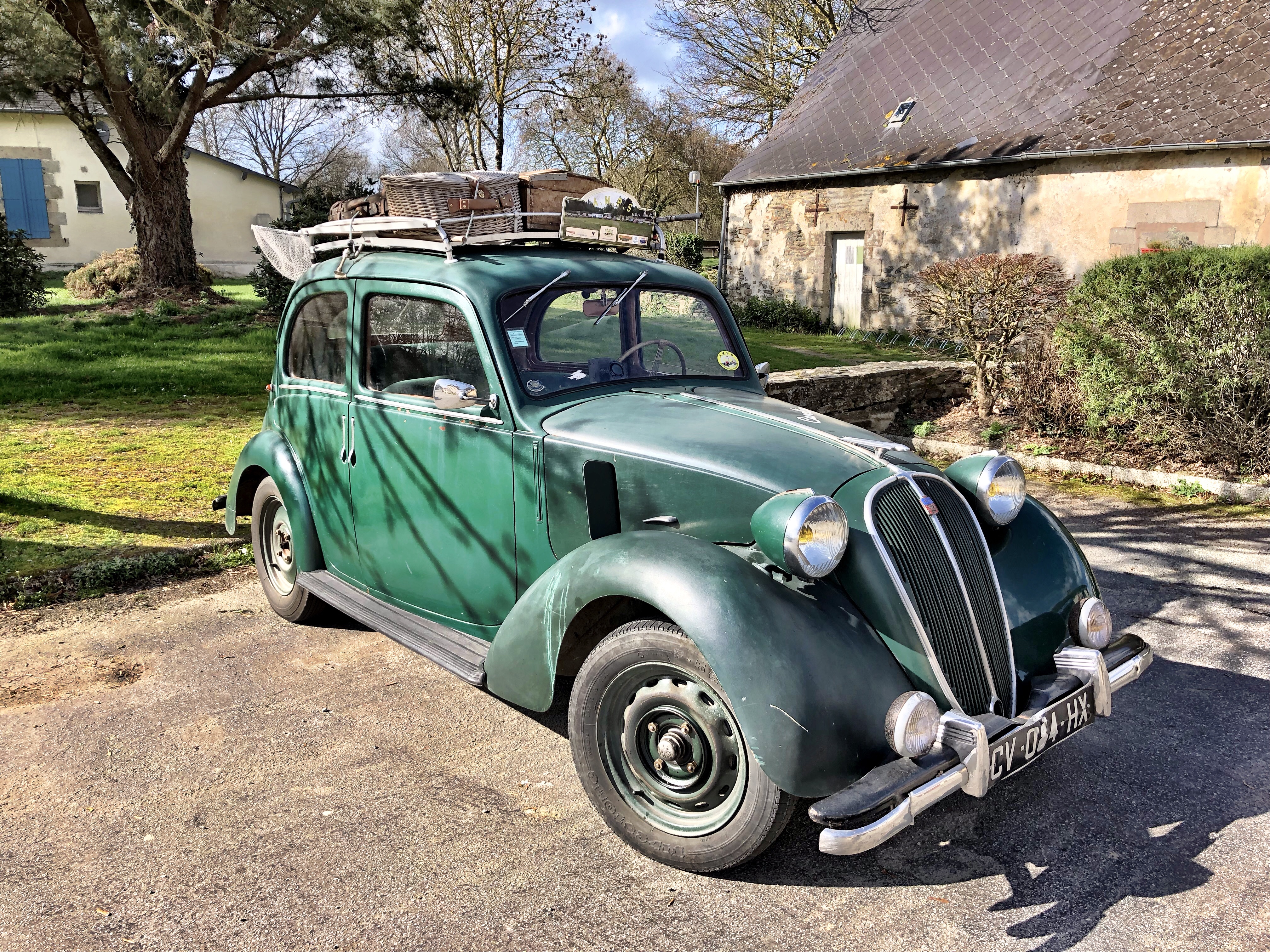
Gone Fishin’, Montertelot

A little closer to home, between Josselin and Malestroit, are the villages of Le Roc-St.-André and Montertelot. These two smaller towns are a little quieter but no less enjoyable to visit. Le Roc stands on a bluff overlooking the Oust as it wends its way from Montertelot. The stone church there sports an interestingly openwork bell steeple served by a separate stair tower joined to it by flying bridges. Lovely and very cleverly designed.

Montertelot is quite petite, with one bar/cafe, a little church and a few houses. It also sports a lock for the canal and we had the pleasure of getting to know the lock-keeper’s husband, Michael, a musician who plays and sings traditional Breton and British music throughout France. He’s a great guy who helped translate for us when we made our official offer for the house in Fougères. The towpath between these two towns offers a very nice walk through mostly woodland. At the midway point is a surprise view of a large château through the trees. These are the kinds of things we encounter all of the time in France and we love it so much!

A Humble House in Trédion

Honorable mention goes to Trédion. Although I do not believe it is technically in the Val d’Oust, this little town is located just to the west of Malestroit. Even though the town itself is rather unremarkable, it happens to stand adjacent to a lovely château. We just happened to come across this breathtaking house on a random afternoon drive a few months ago. Such a typical structure, it’s often the picture that comes into people’s minds when one mentions “France” and “château”.
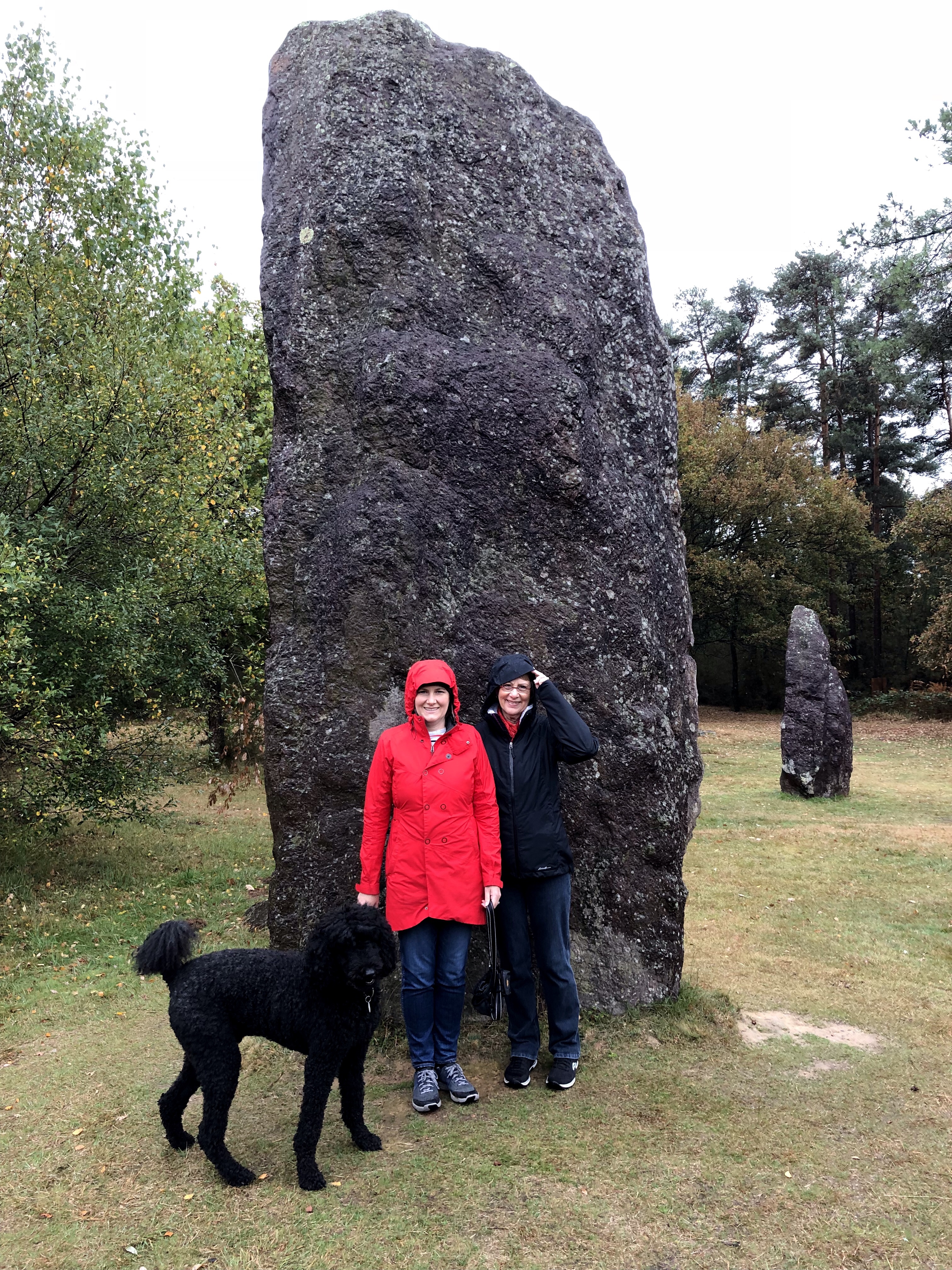
Cherie, Her Mother Valerie, and Saxon Amongst the Megaliths of Monteneuf

It’s not only quaint towns, grand châteaux, and serene countryside to be found in the Val d’Oust. There is a great deal of history here as well. Some of it factual, some of it fanciful. Just a short drive to the northeast are the woods near Monteneuf which conceal an impressive group of prehistoric megaliths. These huge stones were erected during Bronze Age by the inhabitants who had switched from hunting and gathering to an agricultural society. This settled existence allowed them the time to develop more sophisticated culture and even erect monumental structures such as these stones. Later, during the Middle Ages, many of the stones were pulled down, being feared as diabolical or beacons of dark magic. Today, this area has been protected as an historical site. Free to the public, it’s a very nice park where much research and experimental archeology occurs.
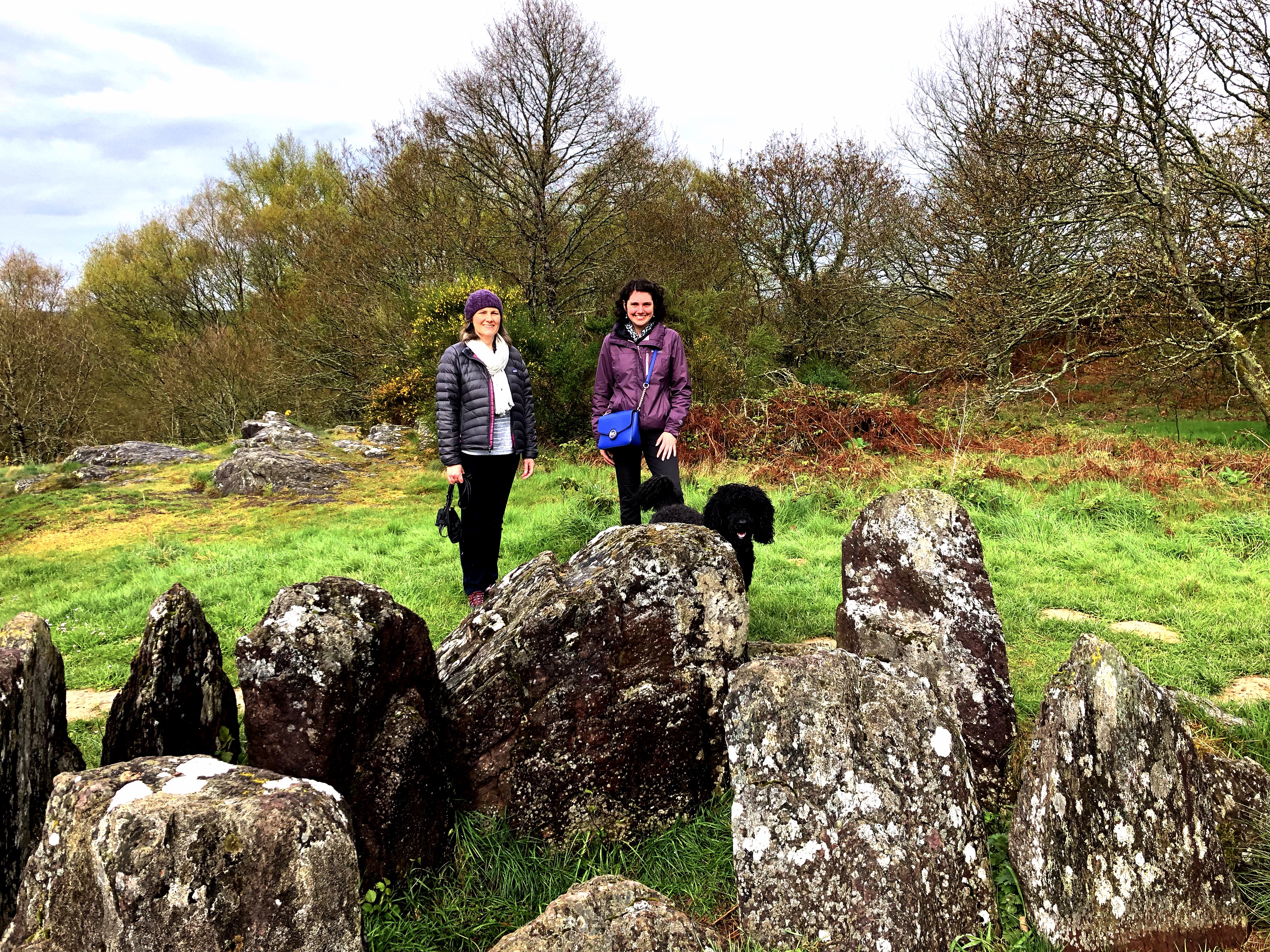
Cherie, Niece Jessica and, of course, Saxon Viewing the “House of Vivianne”

Further northeast is the forest of Brocéliande, a place filled with the magic of Arthurian legends. Bretagne has its own Arthurian history which is quite ancient. According to these stories, many of the events surrounding Arthur and his knights occurred in this craggy woodland, the only remaining remnant of a once vast forest which stretched across the entire spine of the peninsula. The area is beautiful and very enigmatic with lots of lovely hiking trails. Once such place is the Val Sans Retour, the Valley of No Return. Reputed to have been the magical haunt of Morgan le Fay this valley was enchanted by the sorceress to entrap knights. Cherie and I, along with her niece Jessica, spent an invigorating (if not but a little soggy) afternoon hiking our way through this dread valley of craggy outcrops, oaks and beeches, faerie lakes and and ensorcelled streams. Making our way to the top of a lofty hill we came upon a circle of rocks that is said to have been the house of Vivianne, the Lady of the Lake who, in one telling, bestowed Excalibur upon Arthur. In Monty Python and the Holy Grail she is referred to as a “watery tart” with the acute observation that:

Strange women lying in ponds distributing swords is no basis for a system of government. Supreme executive power derives from a mandate from the masses, no some farcical aquatic ceremony.”

In the current political climate, I’m beginning to wonder if forming a government in a large puddle in a forest in Brittany couldn’t be more ridiculous than what we see in many countries right now. But I digress…

Regardless of how seriously one takes these legends, the journey is worth it and just one more example of how rich and varied Malestroit and its environs is. And the people here are just as lovely. So welcoming and friendly. We’ve made many friendships which we know will endure long after our move to Fougères. We love it here and we’re so glad we have had the good fortune to immerse ourselves in this wonderful, magical place over the past several months. A perfect place to begin our lives in France!
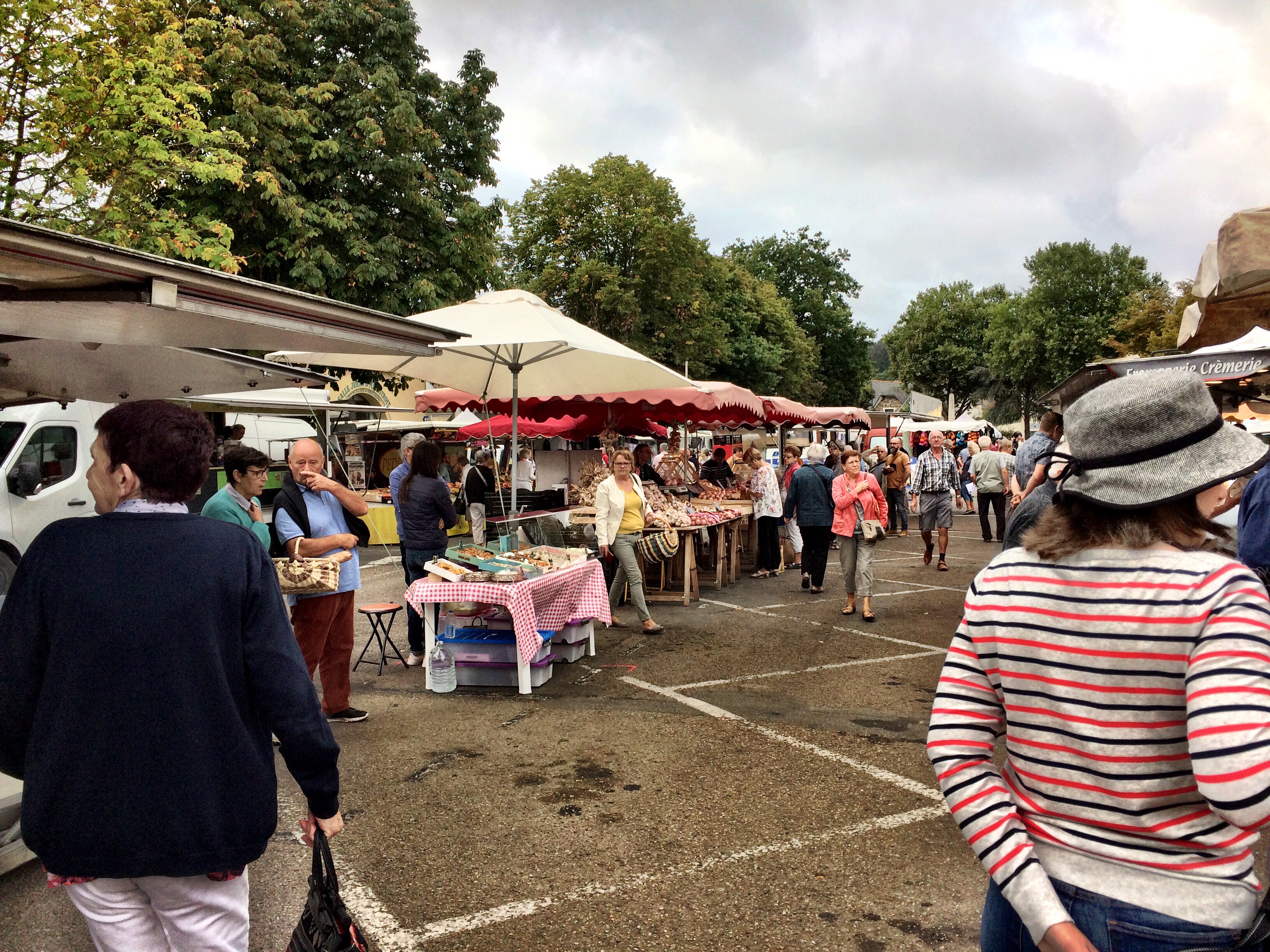
Thursday Market, Malestroit

A Whole Lotta Light?

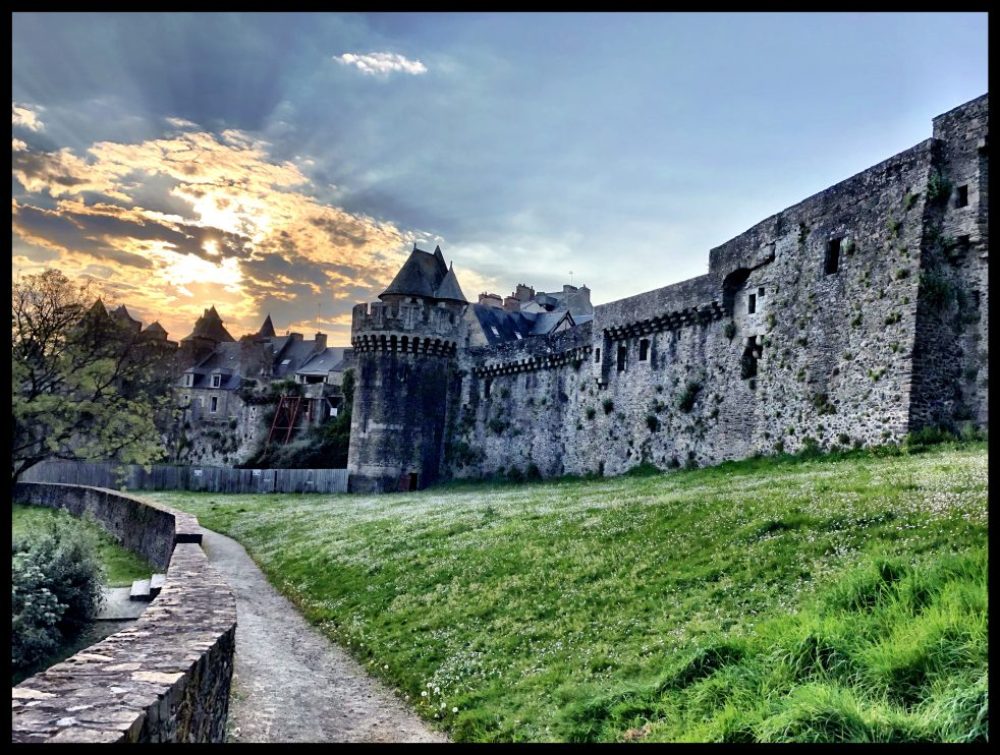
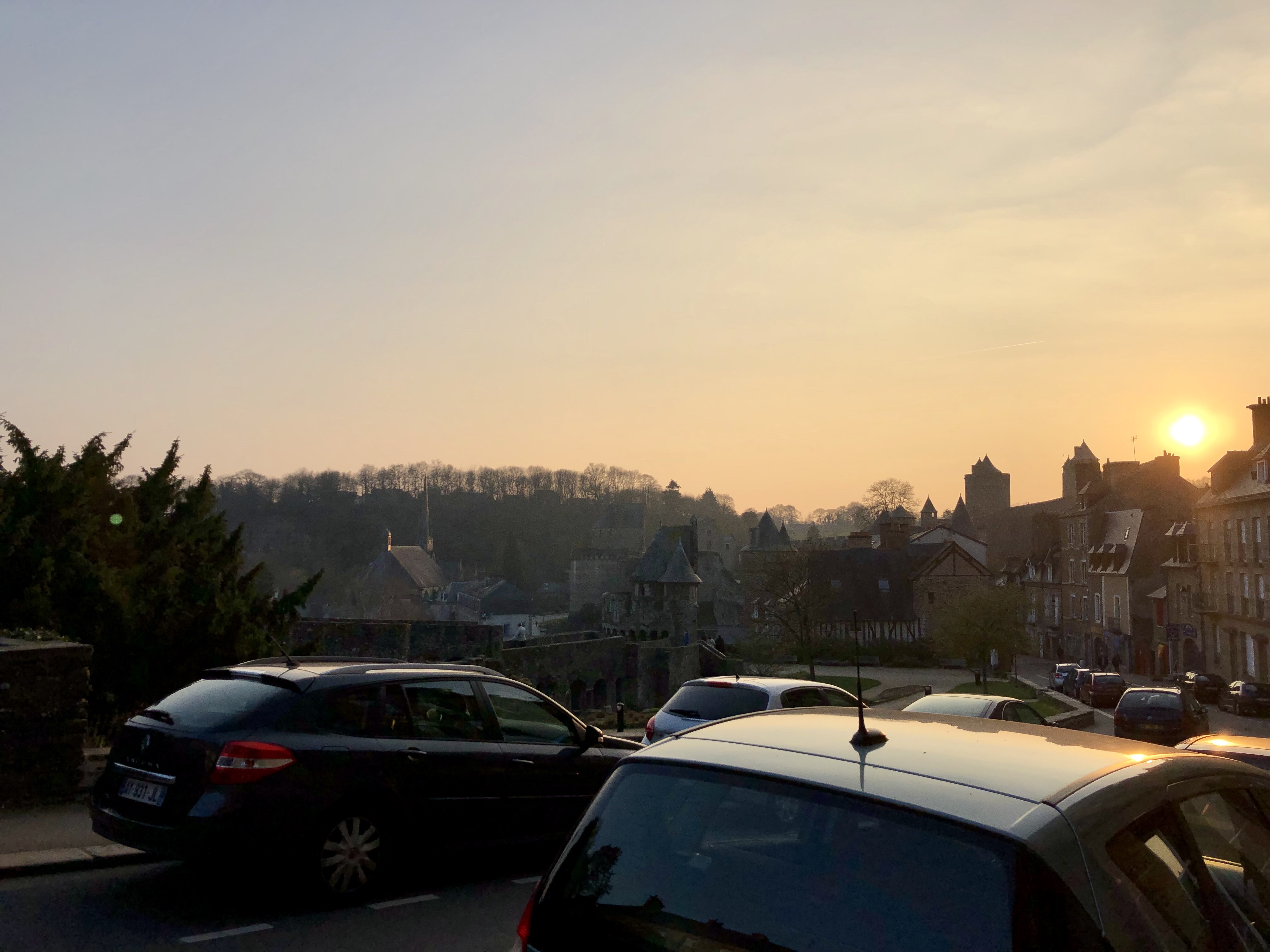
Sunset Over Fougères

A quick observation about the light in Brittany. Specifically, the sheer amount of it.

For some reason it hadn’t occurred to us during our first months in France. Probably because we were so dazzled by everything else about this place. Absolutely everything was new to us back then. But, now that spring has been rolling its way through our lives, it’s become apparent to us that the days are noticeably longer here.

Last month, after a particularly sunny day had been coming to a close, we suddenly realized that it was 21:00 (9pm) and the sun was just going down. What?! This seemed quite late to us. Were we still so enchanted by being in France that we were imagining the days are magically filled with more hours of daylight?

So, I looked it up. It turns out that, in Seattle, sundown would have been just before 20:00 in mid-April. As of today, sundown in the Pacific Northwest will occur at 20:36. Last night in Malestroit it was still light until nearly 22:00. This morning I woke up at 06:30 (only momentarily, you understand) and realized that it was already fully light out.

How could this be? Further research revealed that Malestroit and Seattle are roughly the same latitude. Seattle is at 47.6 degrees and Malestroit is actually a little bit further north at 47.8 degrees. Logically, there should be no discernible difference between the day-lengths of these two locations.

It turns out that the only difference is 1. We are indeed still wearing French-colored glasses, and 2. I am an idiot. The obvious answer to everyone but me is Daylight Savings Time. Yes, sundown occurs later in the evening in Brittany than it does in Seattle, but sunrise ALSO occurs later in the former than it does in the latter. In Seattle, the sun was already up by 05:30 today. The only real difference between the two is the arbitrary shift in calculating the beginning of day.

Stay in school, kids! Study science.

Notwithstanding the science-y bit, isn’t life at least 50% about perception? [Actually, the gallingly persistent unwillingness to accept the reality of global climate change would suggest that the figure is closer to 90%.] Even though we are intellectually aware that there is little to no real difference, we still feel like the days are longer here in Brittany. And that feels nice. Especially since we are most definitely not morning people. So, the later sunrise doesn’t bother us a bit. That’s a win-win in my book!

A Family Gathering in Cork

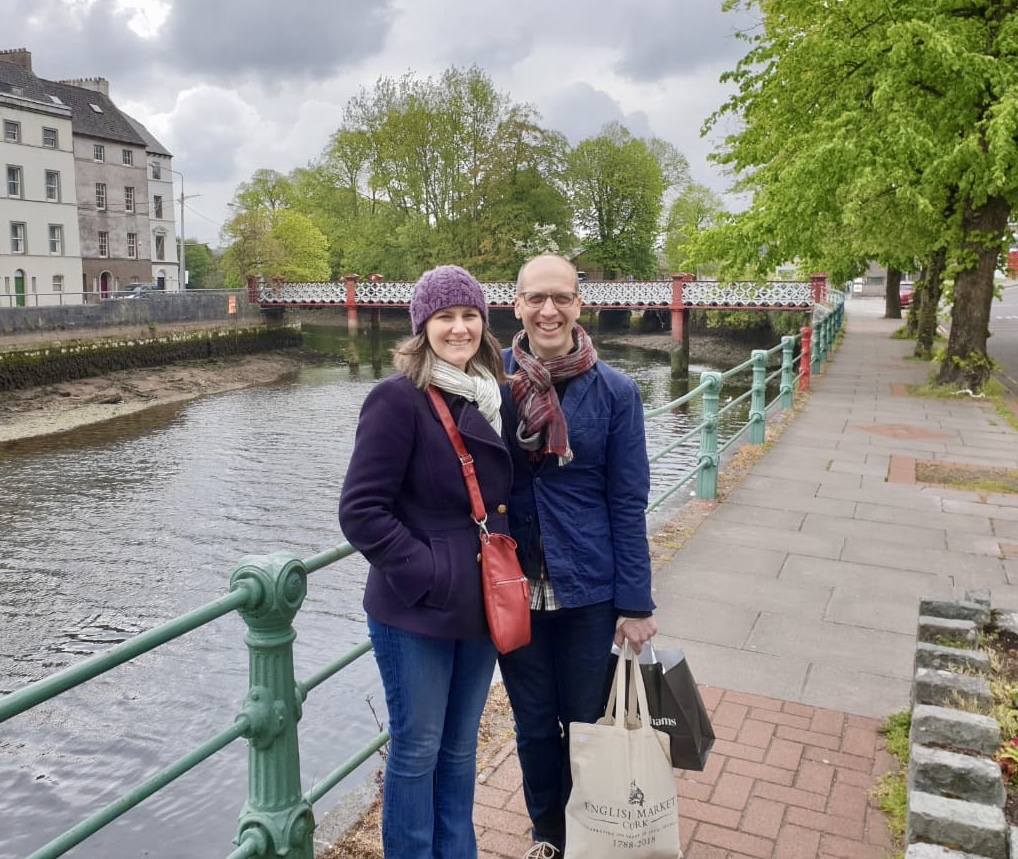
Cork City, Beside the River Lee

This week was a perfect example of why we moved to Europe.

A few days ago, Cherie’s sister, Kasi, let it be known that she and her family would be travelling to Cork, Ireland and “would we like to visit with her there?” Kasi, her husband Wayne and their daughter live in South Africa so it’s a rare opportunity when we get to see them. Of course we said yes. Plus, it was Ireland. So how could we say no?

Now that we live in France, it’s so much easier to drop everything and heave off to somewhere else amazing in Europe. Being retired doesn’t hurt either. So when we got the call, we were able to book a flight and a hotel. Our generous neighbors in Malestroit agreed to watch Saxon (thank you Jean and Adrian!). Simple. We could never have done this from Seattle.

The only stressful thing was flying. Cherie is terrified of flying. But despite her fear, she never hesitates to go. I think it’s very brave of her. I’m not convinced I would be so willing to face my fear if I was faced with the same situation. Take-off’s and landings are always the worst for her. She clamps on to my hand with an iron grip until we’re either safely in the air or on the ground. For my part, I just count myself lucky that I’m the one whose hand she chooses to crush.

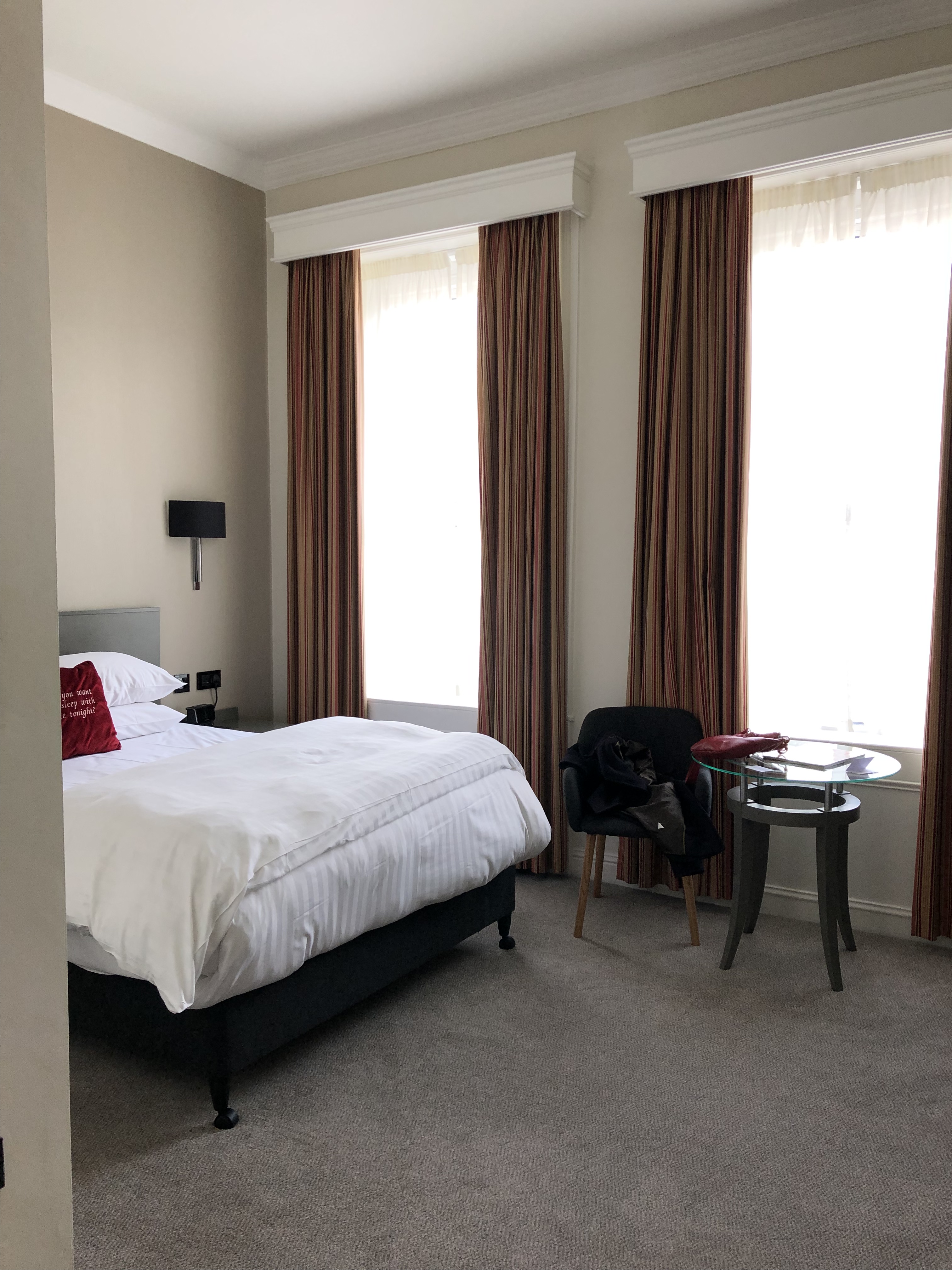
Our Room at the Metropole Hotel, Cork

We landed in Cork on a drizzly day but we received a warm and sunny welcome from Kasi, her husband Wayne, and their daughter Finn. After settling in at the Metropole Hotel downtown, we took an afternoon walkabout. Cork is a lovely city, centered on an island created by two channels of the river Lee and crawling up the slopes of the river valley to either side. The original name for Cork was corcaigh, a derivation of the gaelic word for a marsh. Quite an old city, it began as the site of a monastery in the 6th century. This academic aspect of Cork has run throughout its history and today it’s the home of several universities, colleges and technical schools. Students are everywhere and make for a vibrant atmosphere. Definitely our kind of town.

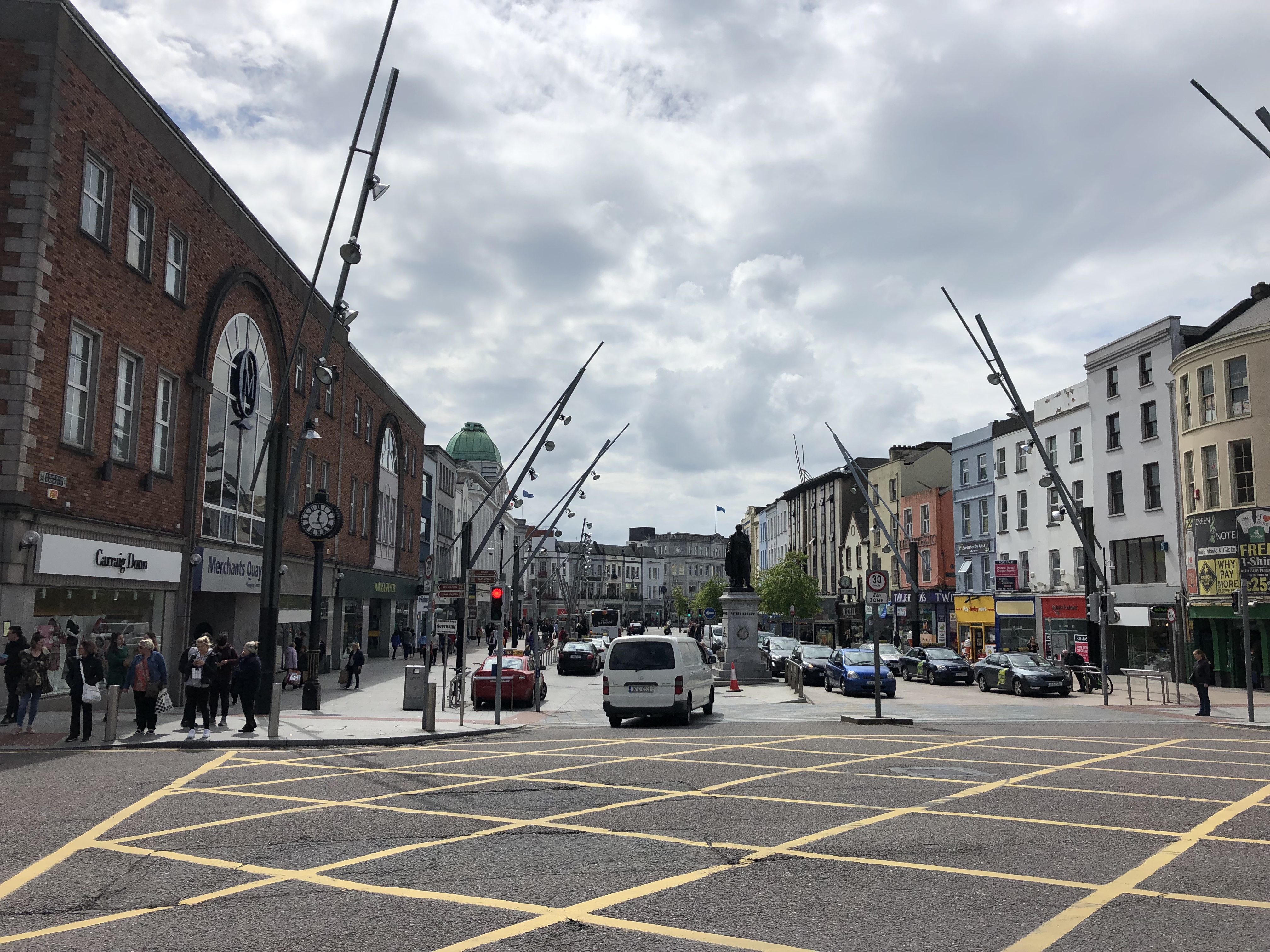
St. Patrick’s Street

Along with the many public houses, cafes and restaurants, the shopping is great too. We were on the hunt for a present for Finn and found just the thing: a princess dress with unicorns and matching tights. Finn is in a princess phase right now so this was a perfect gift for Her Highness.

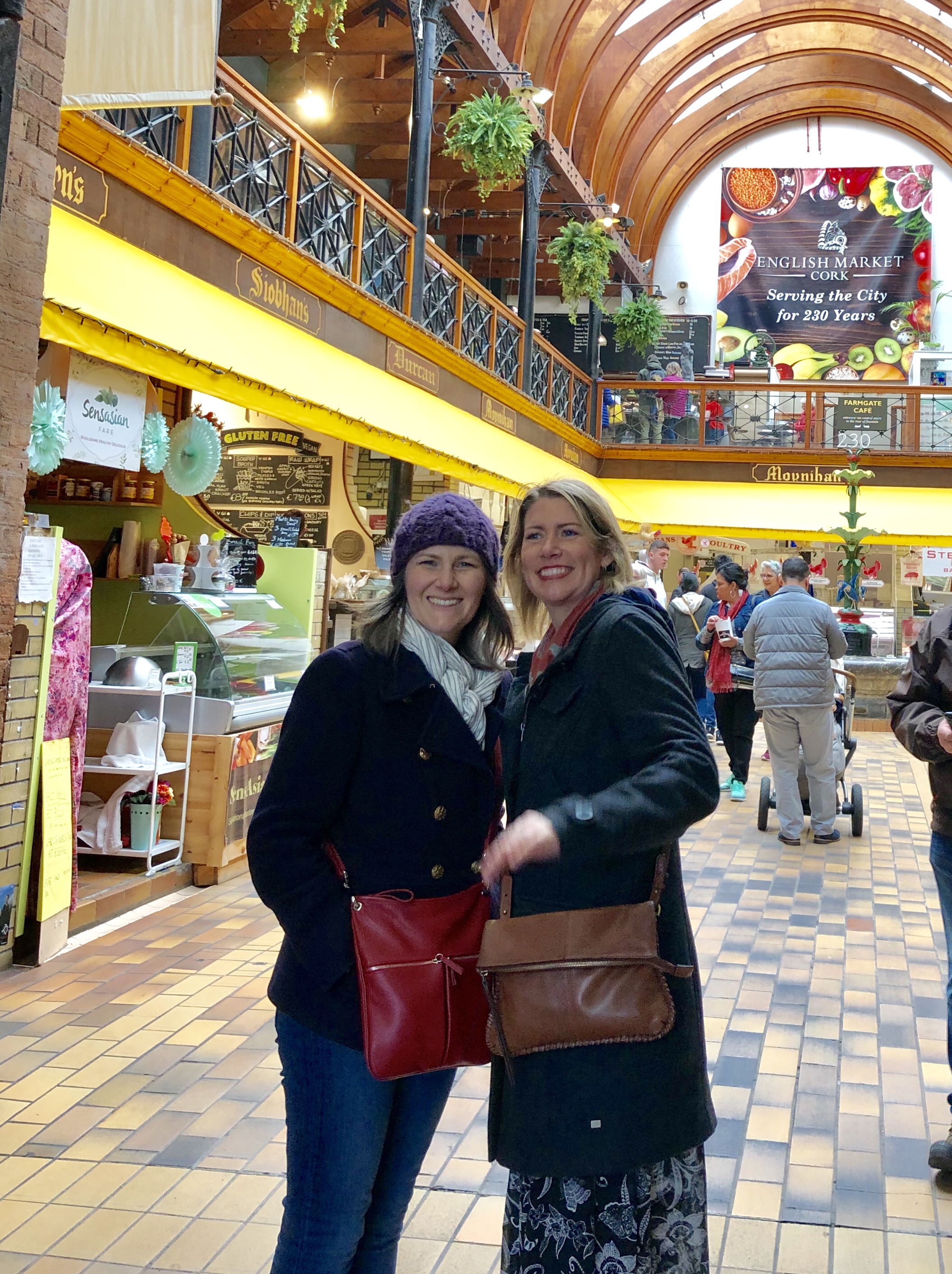
Cherie and Kasi Adorning the English Market

The English Market (an irony which is definitely not lost on Corkonians, given their long and turbulent history with England) is a fabulous covered market hall. There we found a great variety of goods for sale, from fish, to poultry, spices, cheeses, produce and so much more. It is brilliant. I have to say, here, that I found it to be a better market overall than our beloved Pike Place market in Seattle. Sorry, Pike Place, but this place has a little bit of an edge, despite the lack of fish-tossing. But, who knows? The English Market had at least a one hundred year head-start. Give Pike Place another century and see how they compare then. Just like Seattle’s, this market is well-loved by locals; it was buzzing on a Tuesday afternoon and we had a great time exploring its warrens.

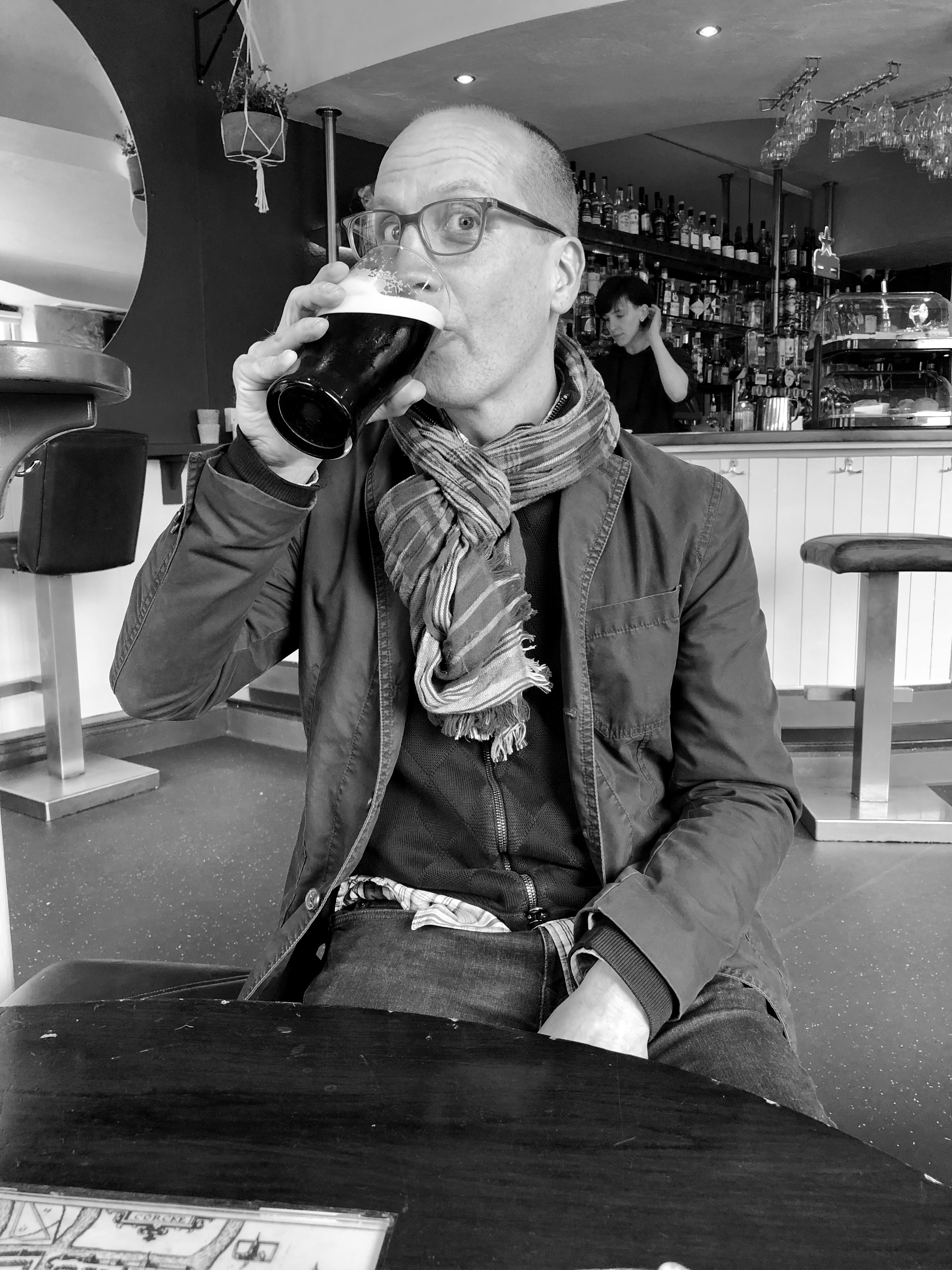
Beamish Heaven at the Roundy

Did you know that Beamish beer was first brewed in Cork in the latter 18th century? You’re a well-educated beer lover, so of course you did. I happen to love Irish beers. Always have. So it was with relish that I finally had the opportunity to quaff a couple (okay, several) pints of their brewing genius. First off was a lovely pull of Beamish at the Roundy, a lovely little pub housed in, well, a round-fronted building. The Irish certainly have a gift for descriptive prose. It was bliss and I enjoyed every last drop. Later, at our hotel, Wayne treated me to some beautiful Guinness. As far as I was concerned, my trip was complete!

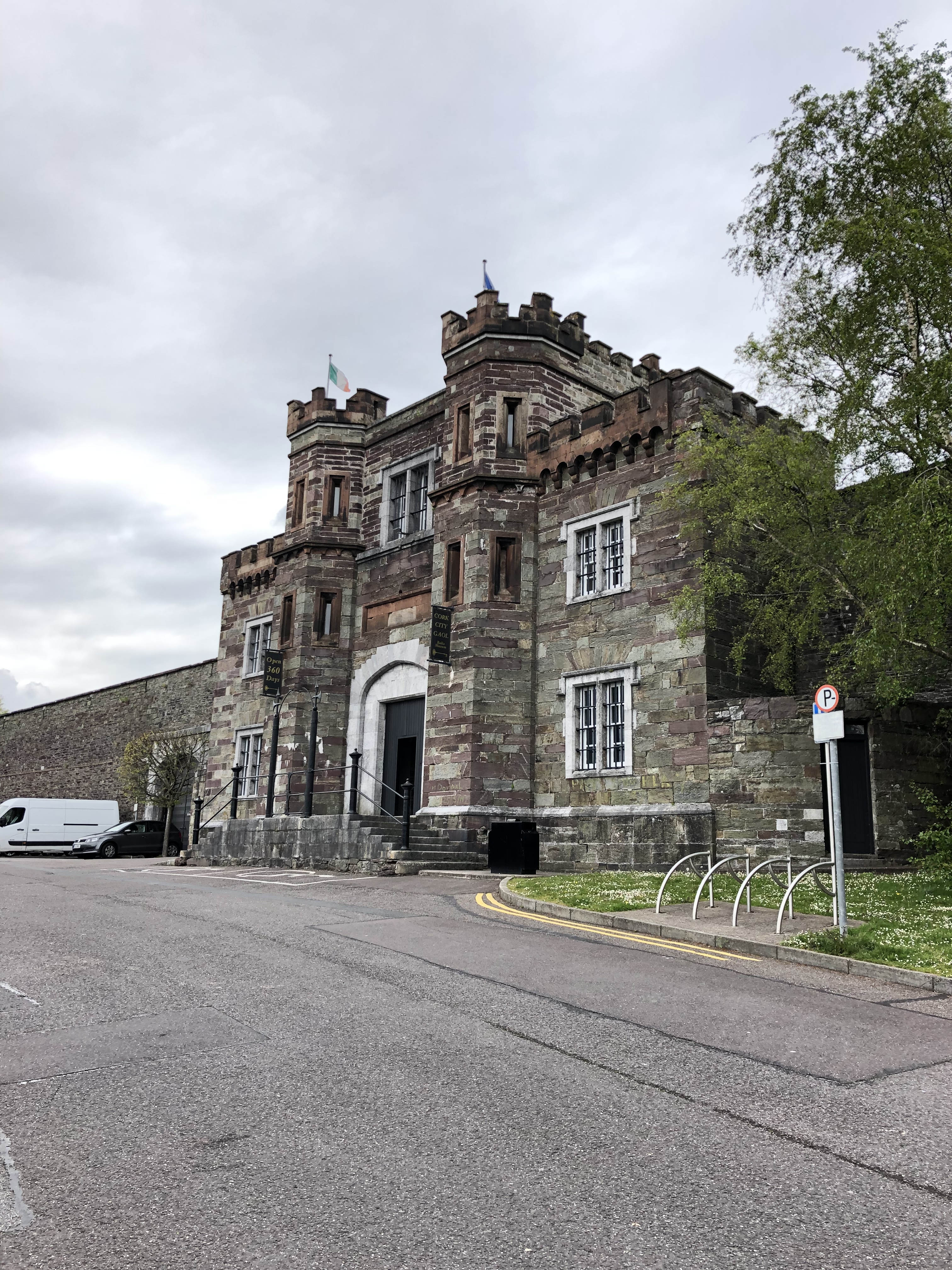
Cork City Gaol

A brisk walk up the valley side to the north took us to the Cork City Gaol, now an interesting museum documenting the history of this institution. It was built in the early 19th century and ceased operation as a jail in 1923. For a long time it housed both men and women. It was not until 1878 when it became the exclusive domain of female offenders. When it was built, the Gaol was considered to be a much more humane environment, offering better sanitation, light, and comfort. This new design emphasized correction and reform, the intent to reintroduce the inmates into society as improved characters. In the 19th century view, this was accomplished by whipping, isolation, hours of forced exercise, work and religious instruction. You will not be surprised to learn that many of their guests were repeat customers. We all found it to be a really well-done museum, although their choice of a mannequin representing a 10-year old girl inhabiting a cell proved to be pretty creepy; her haunting eyes staring out from behind the bars completely freaked out Cherie and Kasi. Hilarious.

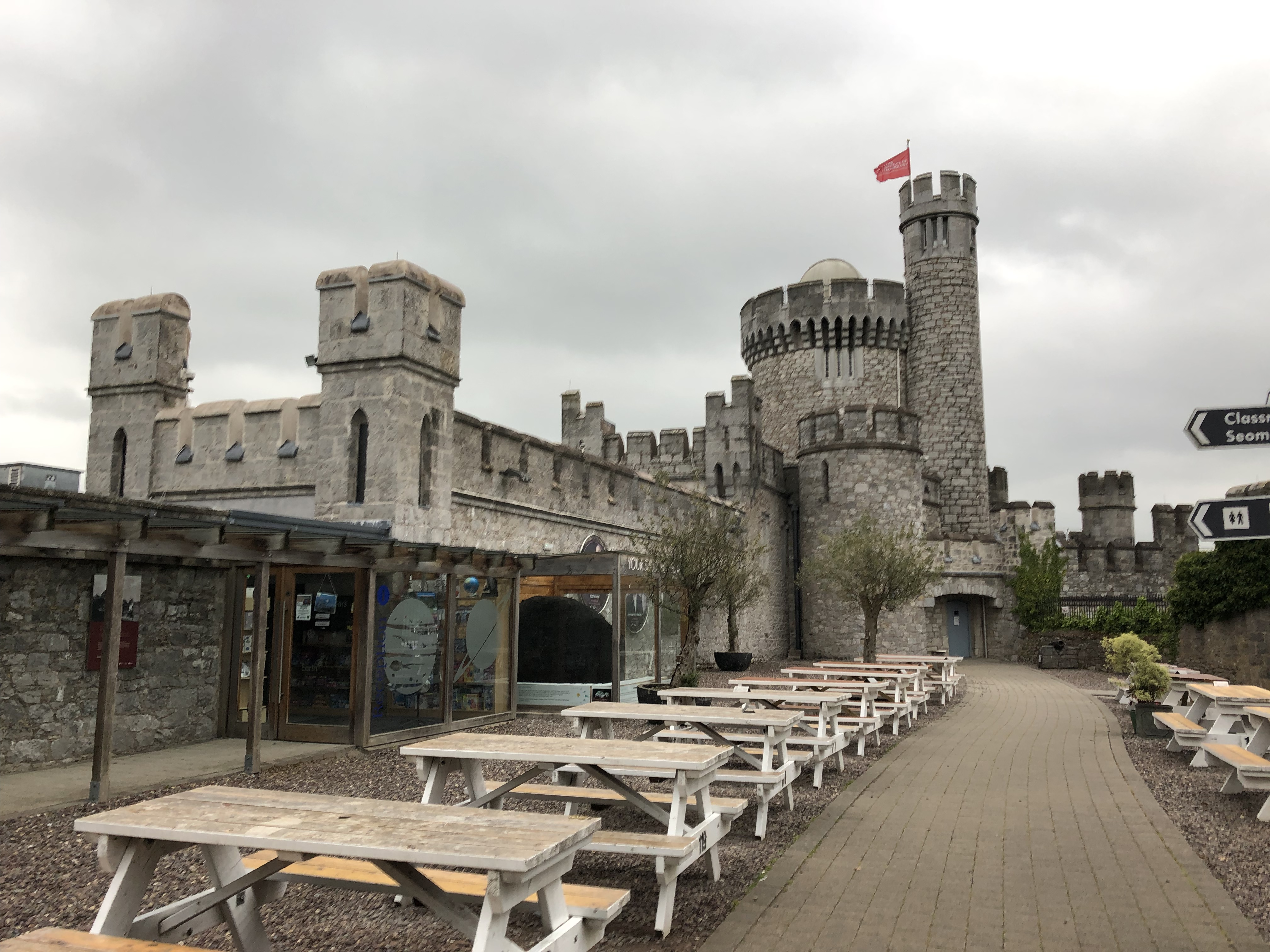
Blackrock Castle Courtyard

In the evening we all gathered for dinner at Blackrock Castle, a 16th century fort built to protect the harbor and port from pirates. As you can see, it’s beautiful. We had a lovely dinner and chatted away for hours. Wayne’s mother, Noreen, proved to be a bad influence on me as she kept filling my glass with the bottles of Malbec which Kasi had chosen for us. A gorgeous vintage. Noreen and I certainly drank our share before the evening came to a close and we took our separate taxis home.

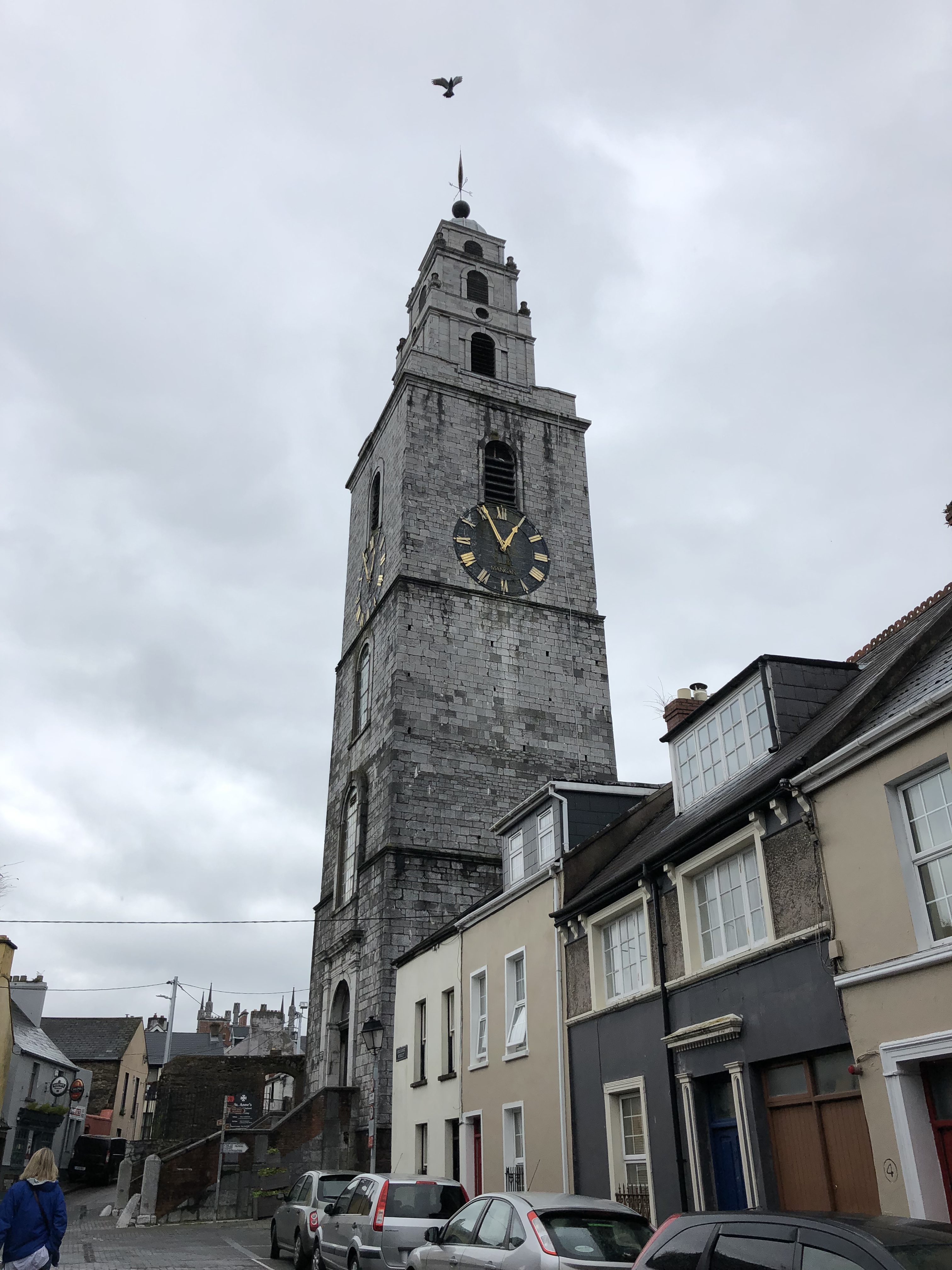
Church of St. Anne, Shandon (Cork)

The next day we were joined by Kasi and Finn as we took the hop-on/hop-off bus around the town. Cherie and I are not generally ones for tours, but this time it turned out to be a good way for the four of us to cover a lot of ground without exhausting ourselves. One highlight was the Shandon Bells. In the Shandon neighborhood of Cork is the Church of St. Anne which has a lovely bell tower topped by an enormous weather vane in the shape of a salmon. It also contains a huge clock mechanism which, apparently, was the largest in Europe until the construction of Big Ben in London. Locals call it the Four-Faced Liar because each of the clock faces display a slightly different time because of the wind which affects the movement of the hands.

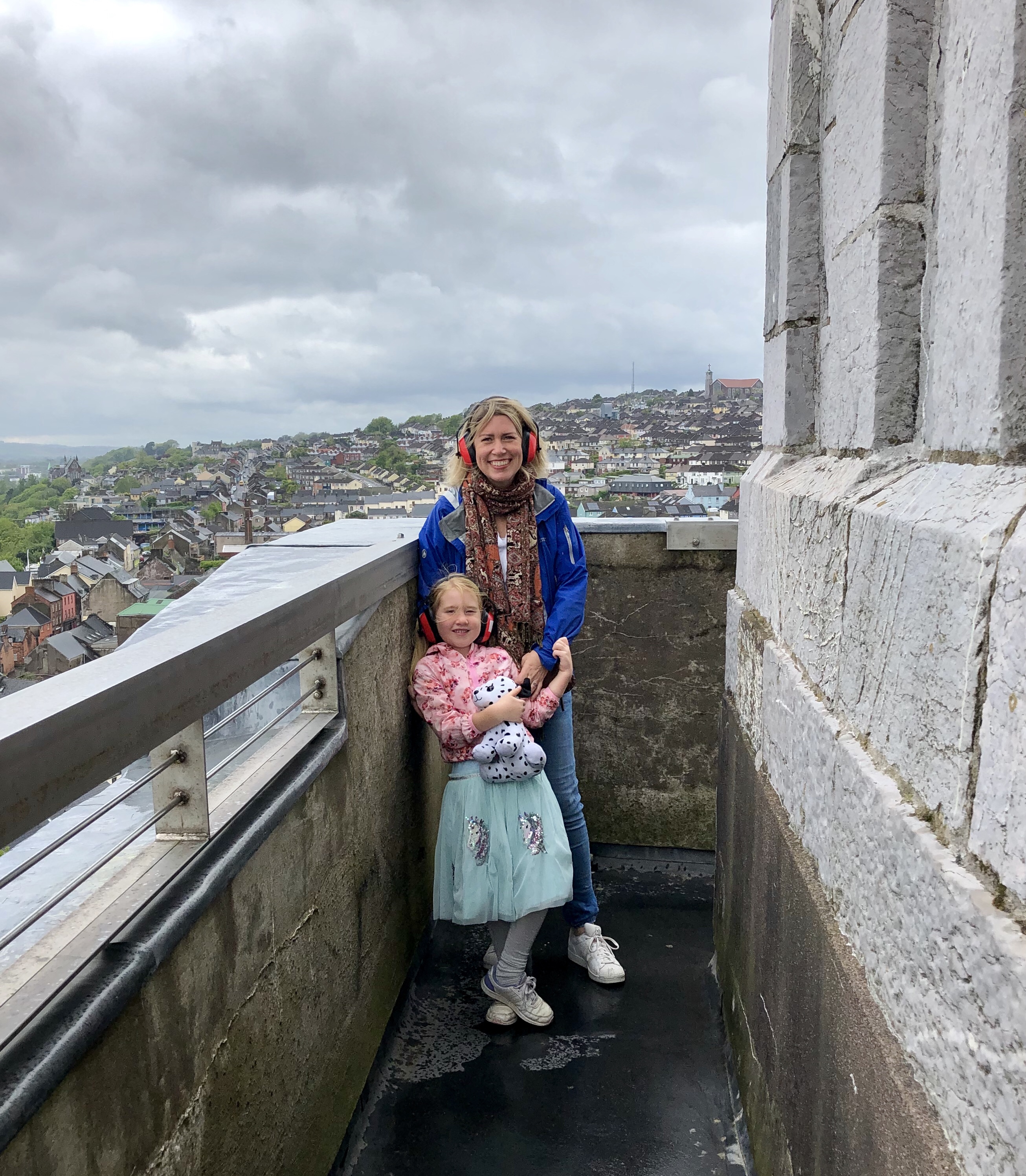
Earmuffs at the Ready, Kasi and Finn on the Bell Tower Parapet

All of us – even Finn – climbed up the very steep and difficult stairway to the parapet above the clock. At various points we had to climb, bend, twist and contort our way through in order to reach the top. The view from the parapet was fantastic, I’m told. I, having a formidable fear of heights, kept well back from the parapet wall. How I managed to take this photograph I’ll never know. Another unique aspect about visiting the tower is that they allow you to ring the bells at any time of the day. There are several numbered pull cords, their numbers corresponding to a songbook nearby so one can play a variety of different tunes. Or try to. It’s not easy, but plenty of fun to try. Somehow I doubt that the church’s neighbors maintain such a sense of amusement about it.

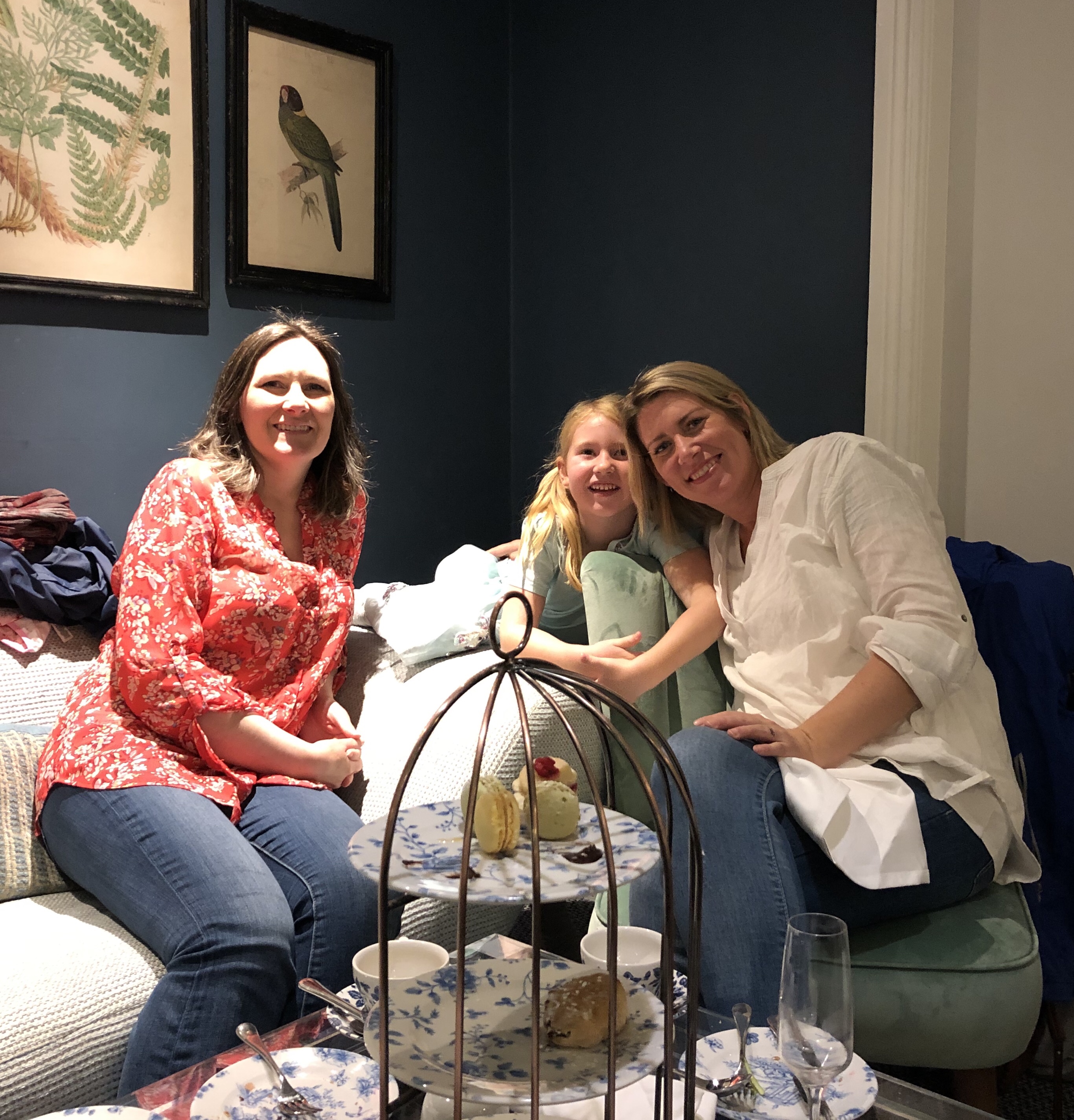
The Girls Relaxing at Tea, Metropole Hotel

One of the few things we are missing in France is a proper afternoon tea. So we jumped at the opportunity to have tea at our hotel after the bus tour. Chicken curry, cucumber and smoked salmon sandwiches, scones with strawberry jam and cream, little chocolate and strawberry cream cakes with macarons; it was brilliant. Throw in several cups of tea and we were very happy indeed. Aaaaahhhh!

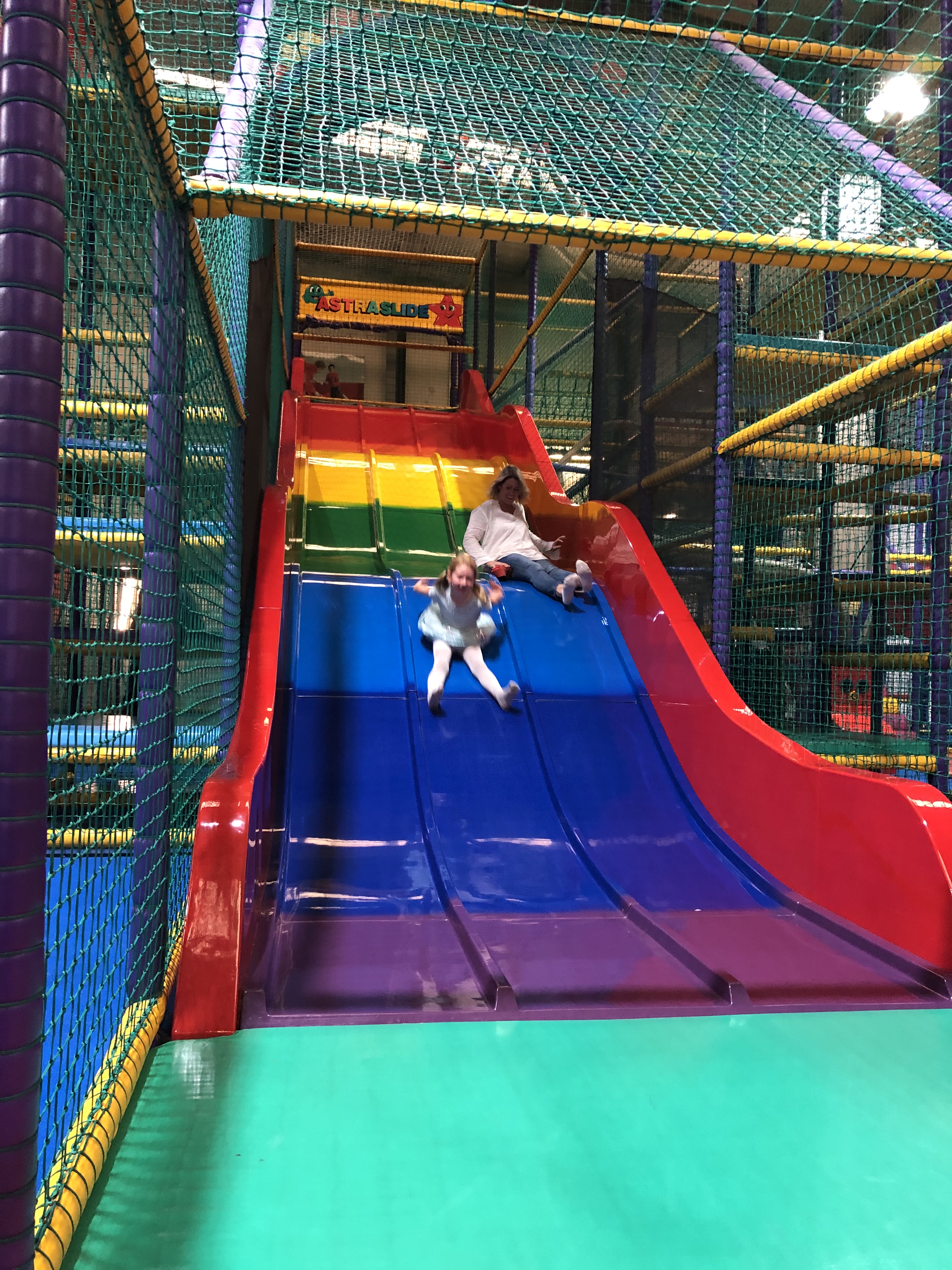
Flying Down the Rainbow Slide!

Finn is approaching her sixth birthday. For all of her patience throughout the day, she was in need of some fun on her own terms. The solution? Chuckie’s of course. A huge warehouse-sized kids play place, this children’s nirvana was the perfect consolation for a young girl who had been stuck with three adults all day.

On our last evening in Cork we congregated at Noreen’s house in Bishopstown for dinner. With provisions we purchased at the English Market, Kasi masterminded an excellent supper of steamed sea bass, mushroom risotto, and salad with spinach, arugula (rocket), pepitas and fresh lemon juice dressing. Lubricated with generous measures of Guinness and wine, we were a happy household of diners. Many thanks to Noreen for so warmly inviting us into her lovely home and to Kasi and Wayne for treating us to a really nice meal.

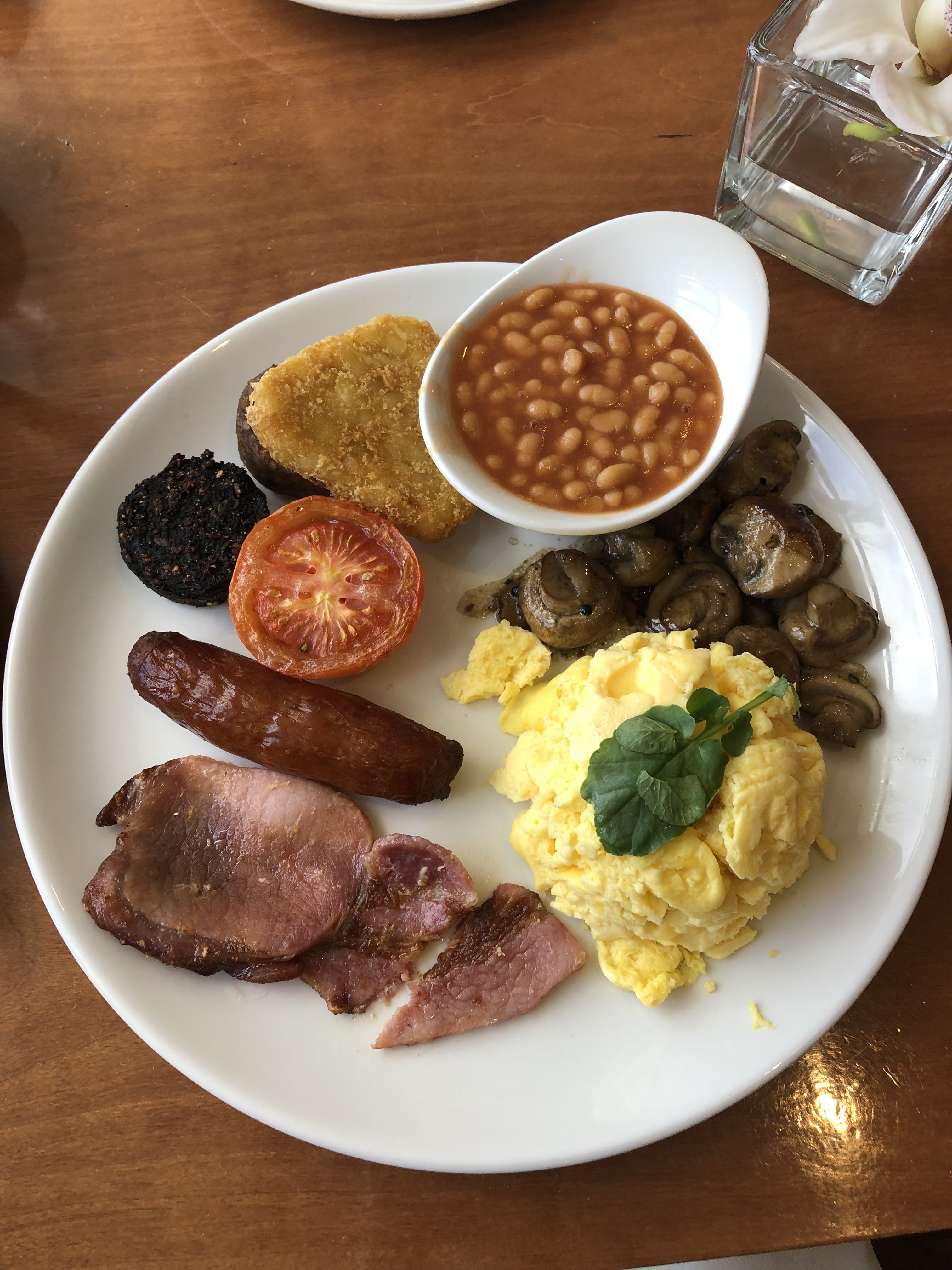
The Full Irish!

Sadly, we had to leave Cork the morning of the next day. But before we did, we indulged in yet another pleasure which I, in particular, have missed since moving to France: breakfast. Yes, the French have a morning meal. But it tends to be quite small and sparse. Just some bread, butter and a cup of coffee, s’il vous plaît. If one is feeling extravagant, perhaps the addition of some fruit or a pain au chocolat. Which is all well and good. But I love a good breakfast. And one of my favorites is a full English or, in this case, Irish breakfast. Eggs, mushrooms, a rasher of bacon, sausage, tomato, baked beens, hash brown potatoes, and black and white puddings. So good! It was the most food I’ve eaten in one sitting in quite some time. By the way, Cherie couldn’t care less about breakfast so she didn’t share the same rapture about the opportunity. She had the eggs florentine.

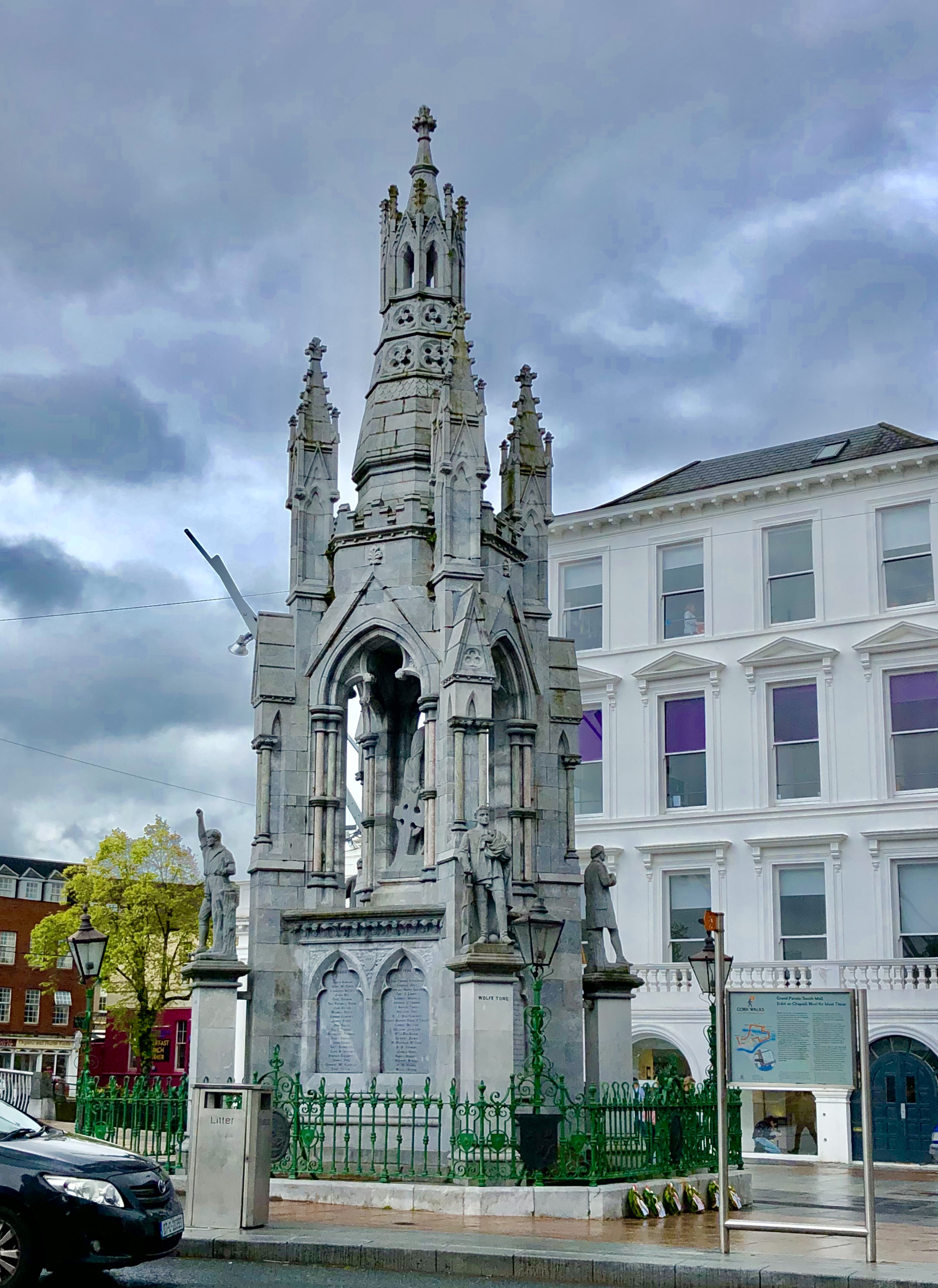
Neogothic Monument, Cork Center

Our trip to Cork was wonderful. We were so glad to be able to spend quality time with Kasi and her family. As expected, the people of Cork were welcoming, friendly and energetic, and filled with good humor. The weather was a bit drippy and gloomy. But, so what? We’re used to that and it doesn’t bother us a bit. It was only three short days. If given half a chance, we would jump at the opportunity to go again. We’re ready to return. Anytime!