What do you do with a drunken sailor? I honestly don’t know. But I do know one thing you definitely don’t do with those filthy reprobates: home improvement. Especially roofing work. Leave that to the professionals. The sailors can carry on with singing sea shanties.
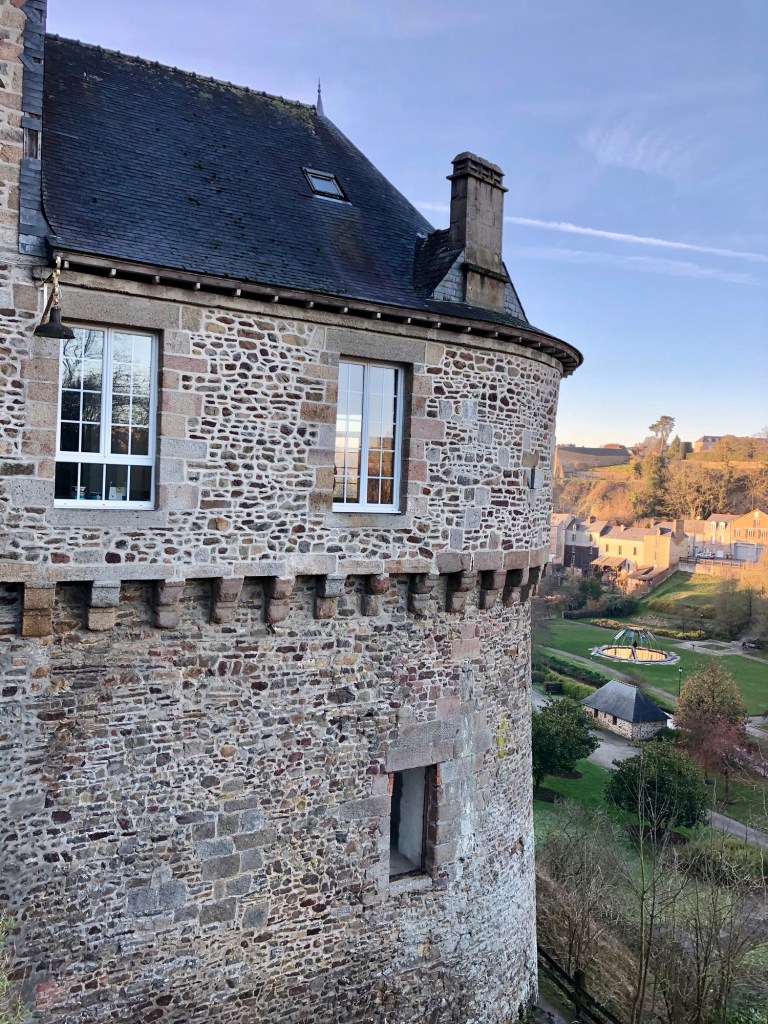
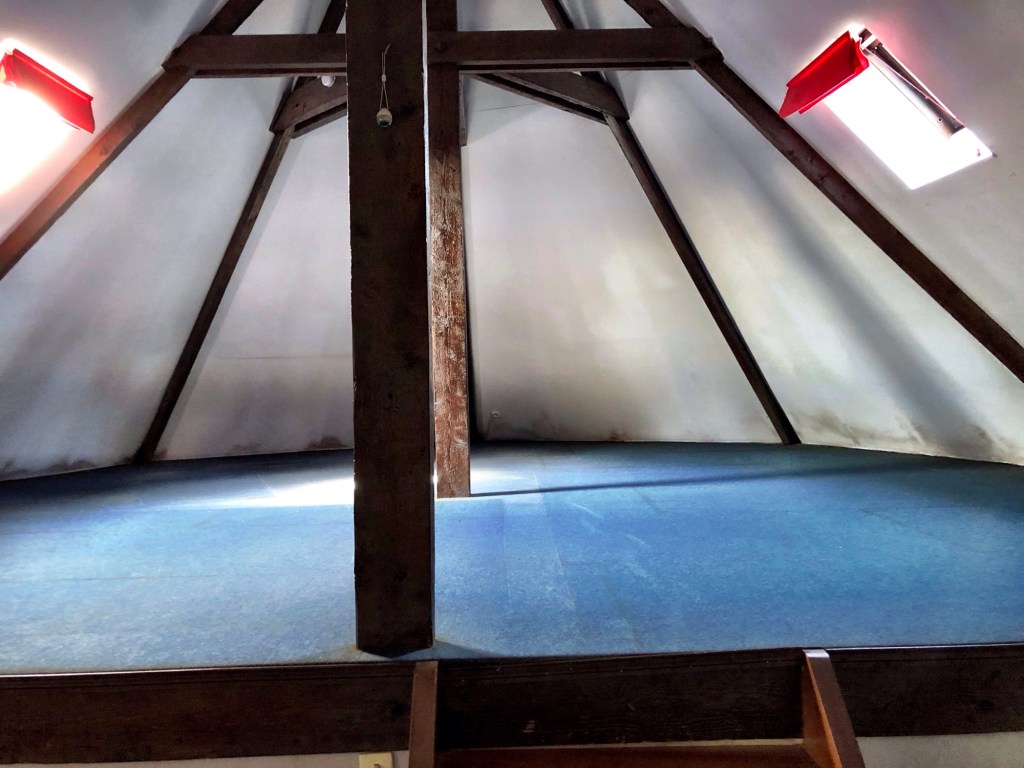
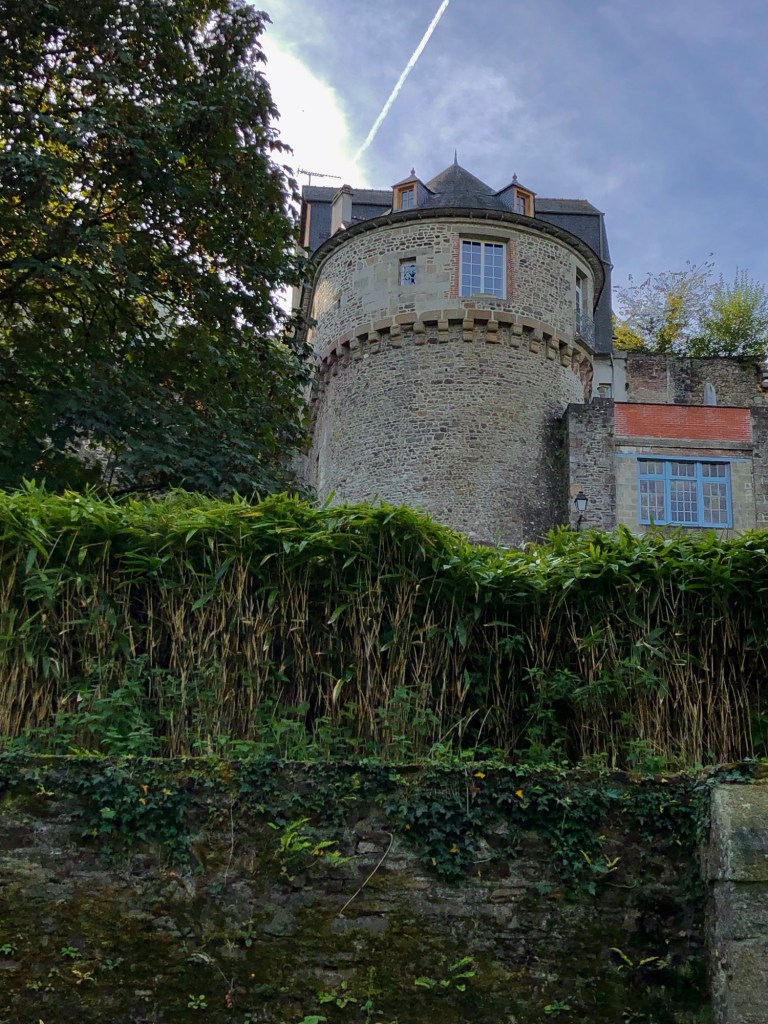
With this bit of wisdom in mind, we were finally able to launch a big project that we had been wanting to do ever since we bought La Tour Desnos – adding dormer windows to the tower roof. Our main bedroom is on the top floor of the tower, under the roof. Now, we have already done a lot of work up there: lowering the floor level, adding a bathroom/wardrobe suite, laying down new wood and stone flooring, and brushing on vast amounts of new paint. But the space still felt a bit closed off, isolated, due mainly to the lack of windows. Two small velux windows (Americans would call them skylights) were the only sources of light and air. Placed as they were in the sloping roof, they could only be opened in the absence of rain. Their elevated position also prevented us from taking advantage of the beautiful views over the park below. By adding dormer windows to the roof, we could bring in more light, more air, and give ourselves yet another panoramic view of our surroundings.
Good plan, eh? We thought so. But this is France, where bureaucracy is king. Although, we don’t mention the “king” bit. [They’re still a little touchy about monarchy since the Revolution in 1789.] But it’s true. The administration of all things reigns supreme here. And, to be fair, that’s often a good thing. Things run pretty smoothly in France. The government can be counted on and, in turn, be accountable. Corruption is very low. However, the tangle of administration can be intensely ponderous and arcane.
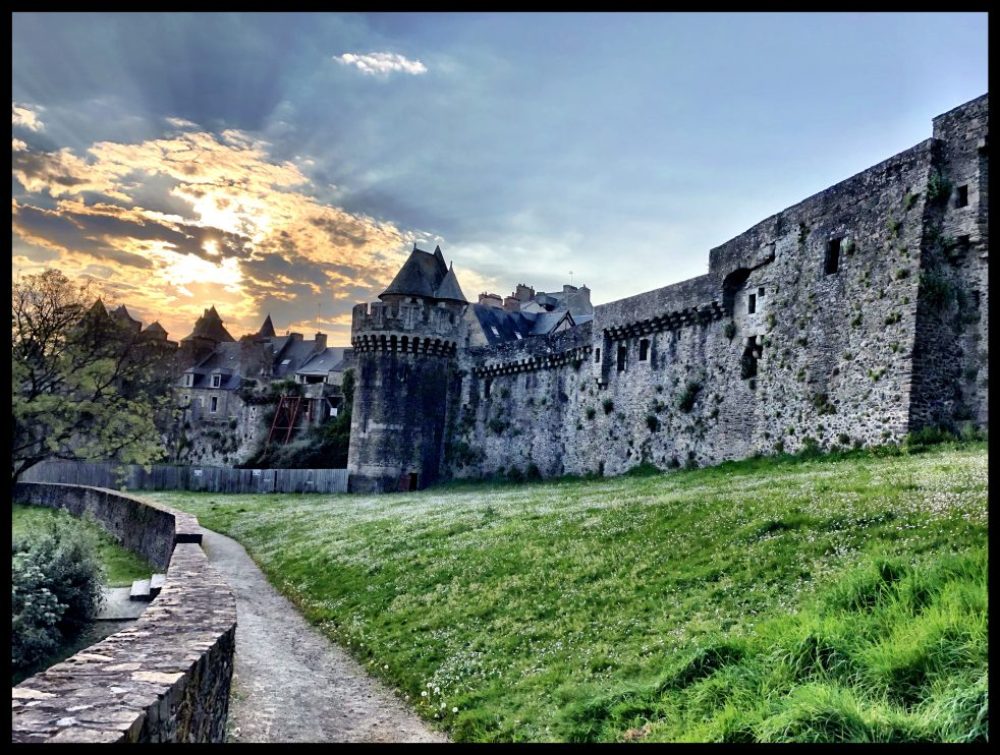
We first broached the subject of adding lucarnes (dormer windows) to the authorities not long after we bought the property. La Tour Desnos is listed as a monument historique so, not only do we have to obtain approval from our local mairie, we also have to run it by ABF (Les Architectes des Bâtiments de France), the government body which oversees all historical monuments in the country. In our town, we have generally found the mairie to be accommodating with our requests. But ABF can be a bit more challenging.
On our first encounter with ABF, I had proposed an ambitious program of stone-fronted lucarnes with gothic peaks. The representative just tutted, shook her head and growled “non!”. I was a bit taken aback. But, in hindsight, I have to admit that it was the right call. My ambitious design was not appropriate for the history, form and function of the building. Besides, it’s unlikely we could have afforded the cost. Still, it felt to me like a setback. We put the whole idea aside for the time being and got on with more pressing work on the tower.
A year or so later we hosted yet another visit from ABF. This time we politely suggested adding more simple dormers to the roof. The ABF architect firmly responded with an all-too-common phrase that we have come to both love and fear since moving here: “C’est pas possible.” – It’s not possible. With an air of righteous authority, to which she added just a dash of courteous but unmistakable disdain, she informed us that no dormers of any kind would be permissible for our home. Hmnnn … that felt pretty final to us. My recollection is that we drowned our disappointment in copious amounts of tea and scones that evening. With butter and strawberry jam. [Hardcore, eh? Well, that’s how we roll. Get used to it.]
The final round in our battle royale for dormer freedom came two years ago. We thought that we would try for lucarnes one more time. This time, the architect was a different person. The previous official had moved on to terrorize a different region of the country. So, while seeking approval for some new doors and other bits and bobs, Cherie nonchalantly happened to mention that “Wouldn’t it be nice if there were different windows upstairs in the master suite? Maybe two more velux windows?” The young man looked at us in surprise, wondering aloud why we would want velux windows when lucarnes would be much more appropriate and aesthetically pleasing … Wait. What? Barely concealing our shock, we hastily agreed. At our kitchen table he proceeded to dash off a quick sketch with notes for dimensions and materials, allowing for four dormer windows. Voila! Just like that we had our approval. Phew!
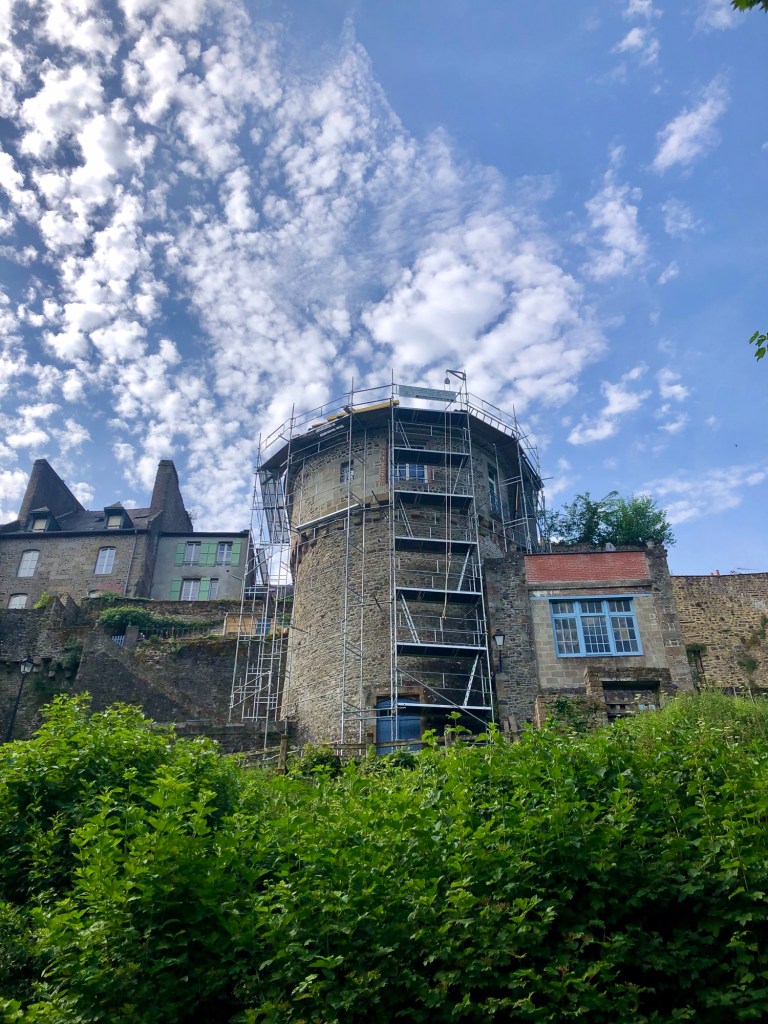
We have never tried to analyze the turnaround in ABF’s opinion about the dormers. It’s not worth the brain damage that might result from attempting to rationalize the irrational. Instead, we immediately set to obtaining construction bids. We found a great local company which presented a reasonable price for the work. Unfortunately, the schedule slipped a couple of times; it was several months before our builders were finally able to begin work in June of last year.
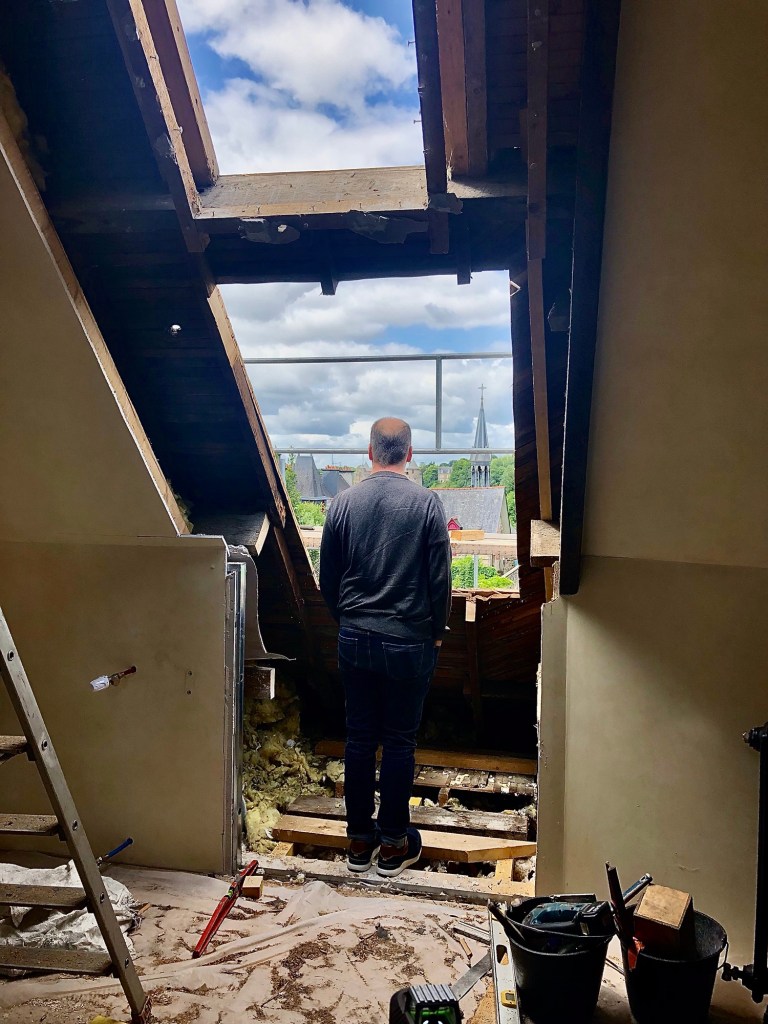
Despite the inconvenience of having a recently-renovated room once again thrown into the chaos of construction, it was exciting to watch the scaffolding encircle the tower and the artisans begin to work on the first of four lucarnes. The first part is pretty brutal. The slate shingles come off and the saws come out, cutting giant holes in the roof structure. The bedroom we had worked so hard to transform was once again a messy, dirty work site. Kind of heartbreaking. But all for a good cause. At least we were hoping so. Soon, though, the framing for the dormer began to take shape and we could begin to see the form of our new windows.
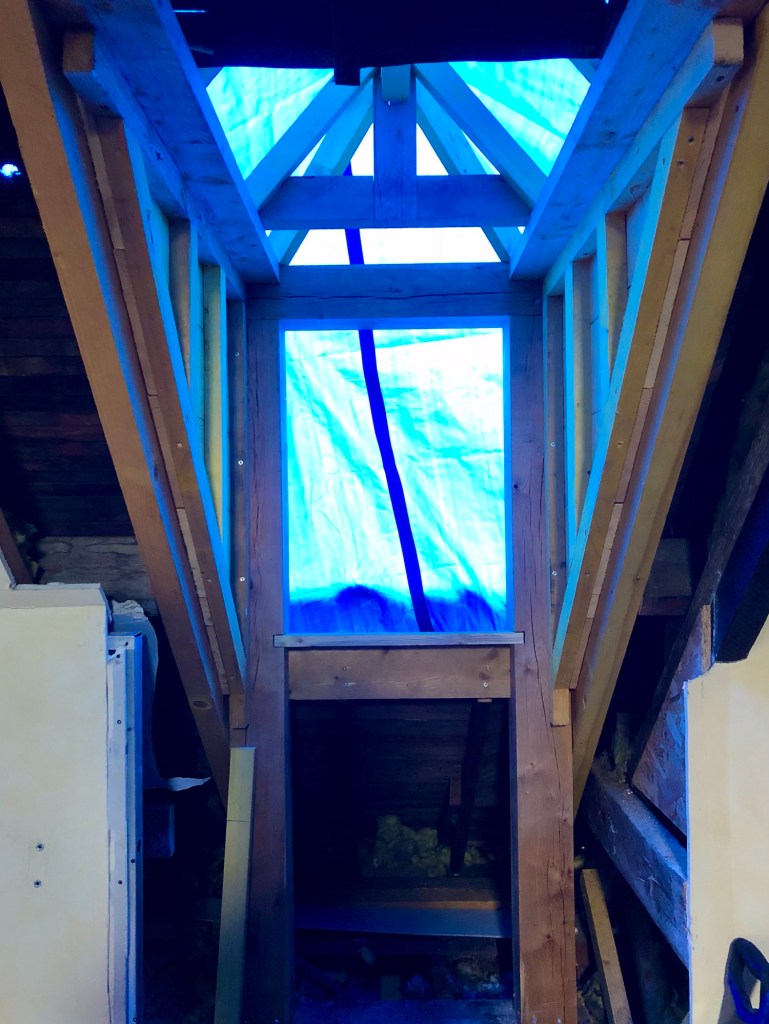
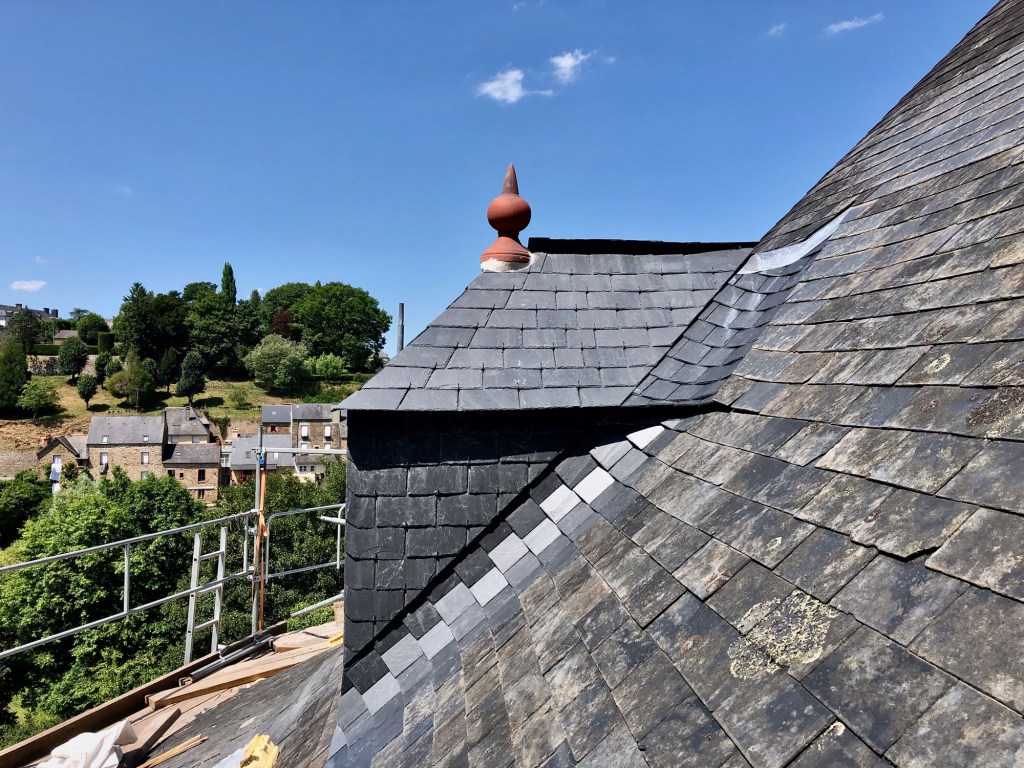
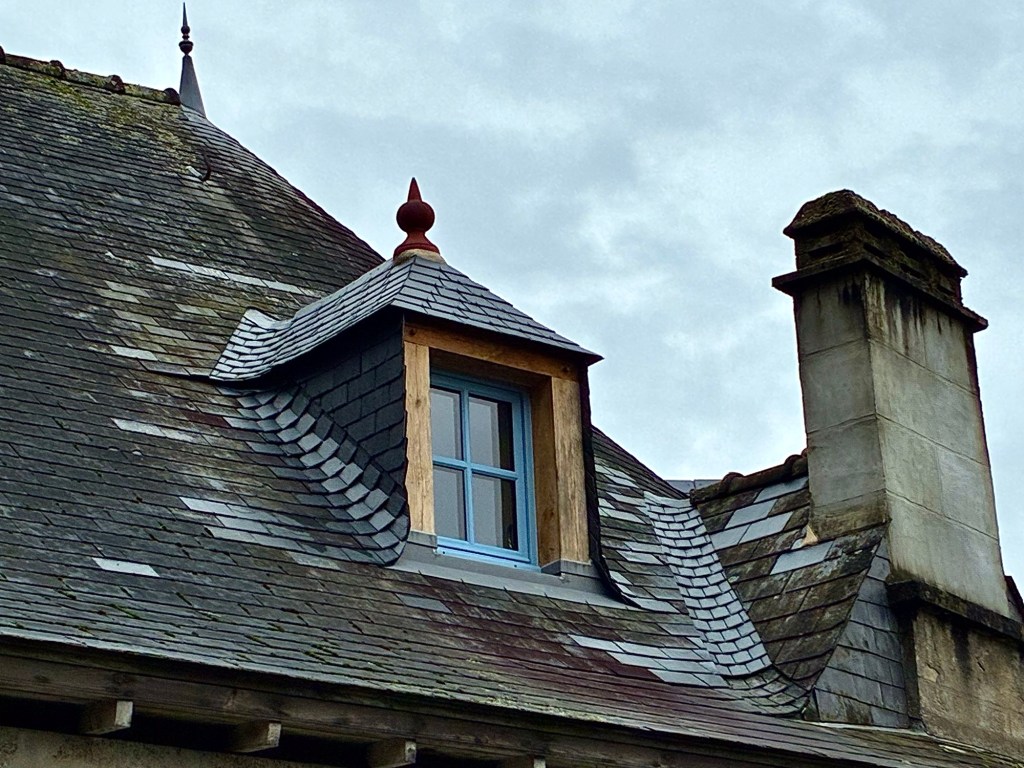
This project demanded but a small team, the core of which consisted of two men for the daily work, occasionally supplemented by an additional three or four helpers for transporting materials or for managing the scaffolding. They built each lucarne one at a time, completing each one entirely before moving on to the next. The primary framing of solid french oak is satisfyingly thick and solid, pegged together in the traditional manner. Slate tiles clad the roofs and sides, the latter cleverly swooping in a gentle curve to create the gullies in such a way as to harmonious blend the dormers into the roofline as though they had spontaneously grown there. We chose to top the peaks of each lucarne with a traditional terra cotta épi de faîtage (finial) for just a little understated flair; we were a bit nervous about the choice, but we are very happy with the results. The final step was the window installation which, after nearly four months of work on the dormers, felt like an instant – all four windows were in place in the space of a single morning.
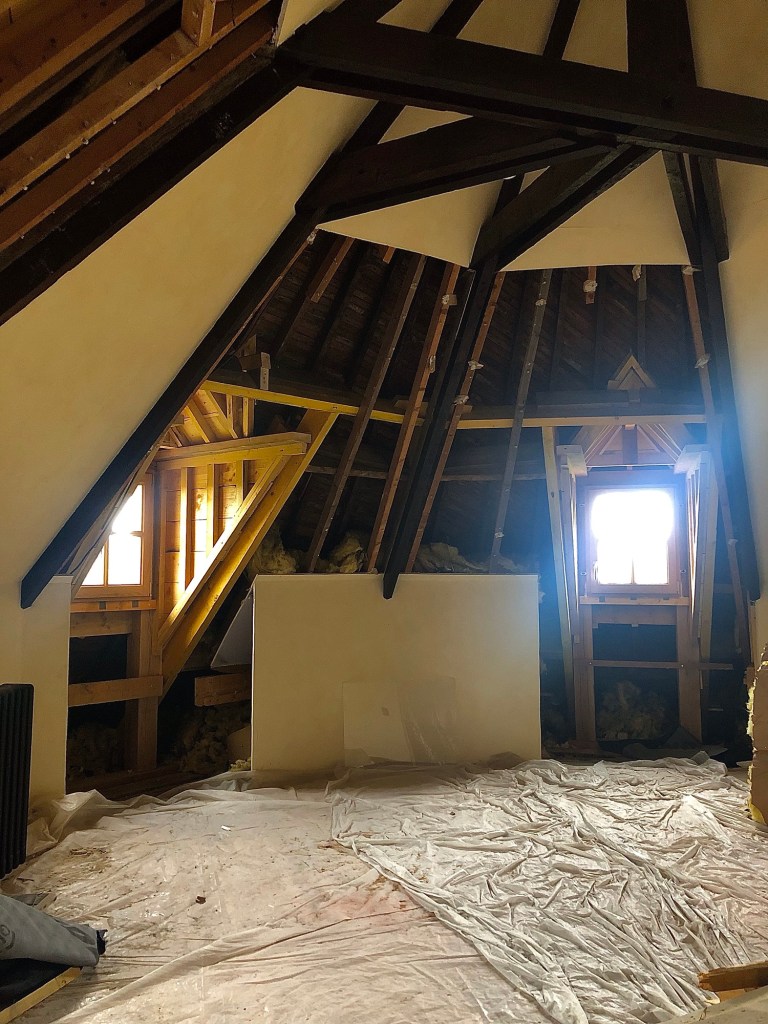
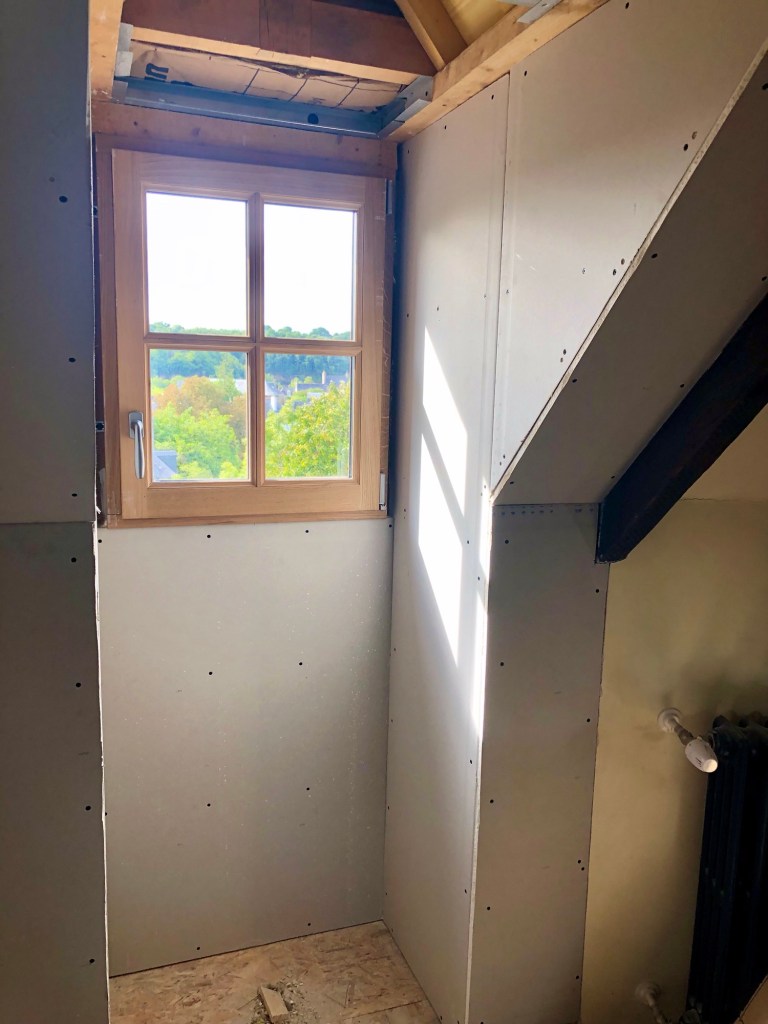
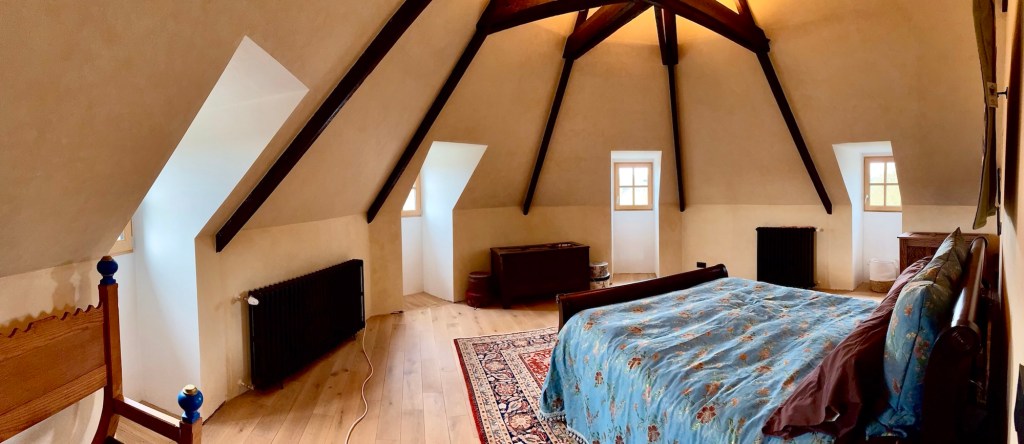
The scaffolding came down, the artisans took their leave and we finally had four brand new dormer windows in our master bedroom. Oh, we also had a pile of debris and several large gaping holes in the ceiling and wall plaster. Hélas! But this was no surprise; we knew it would be this way. So we had already arranged for our regular English building contractors to come and restore the interior for us. Kelson and Stuart not only do fine work, but they and their families have also become good friends. With their habitual efficiency and good humor they soon had our wreck of a room looking whole again.
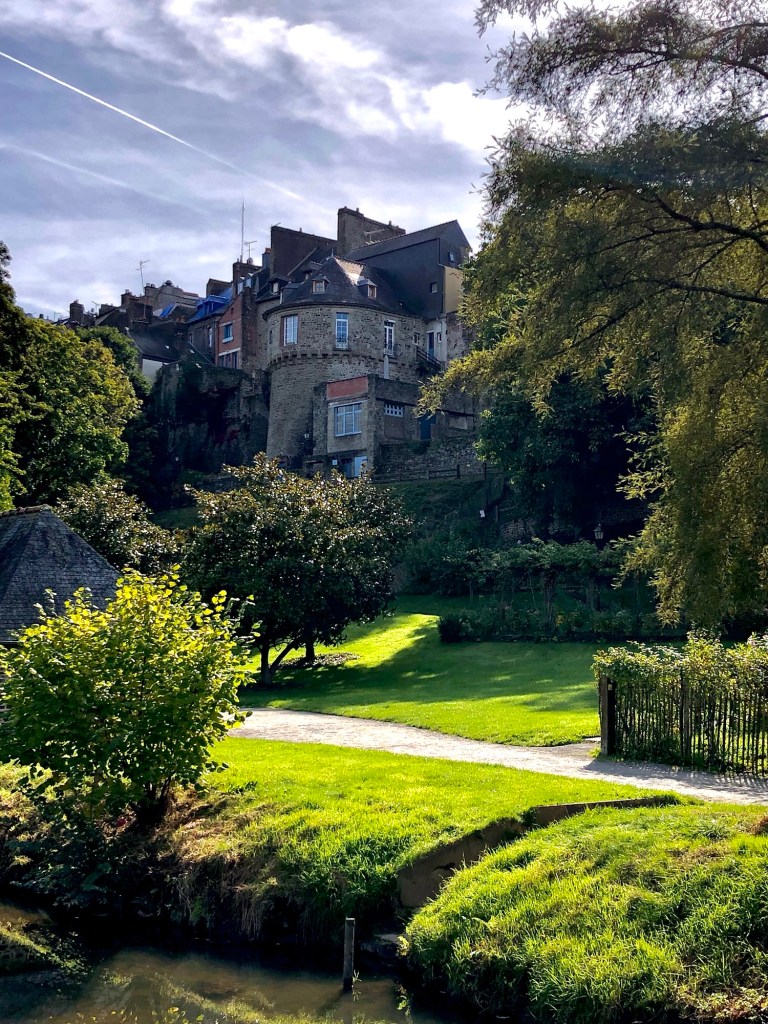
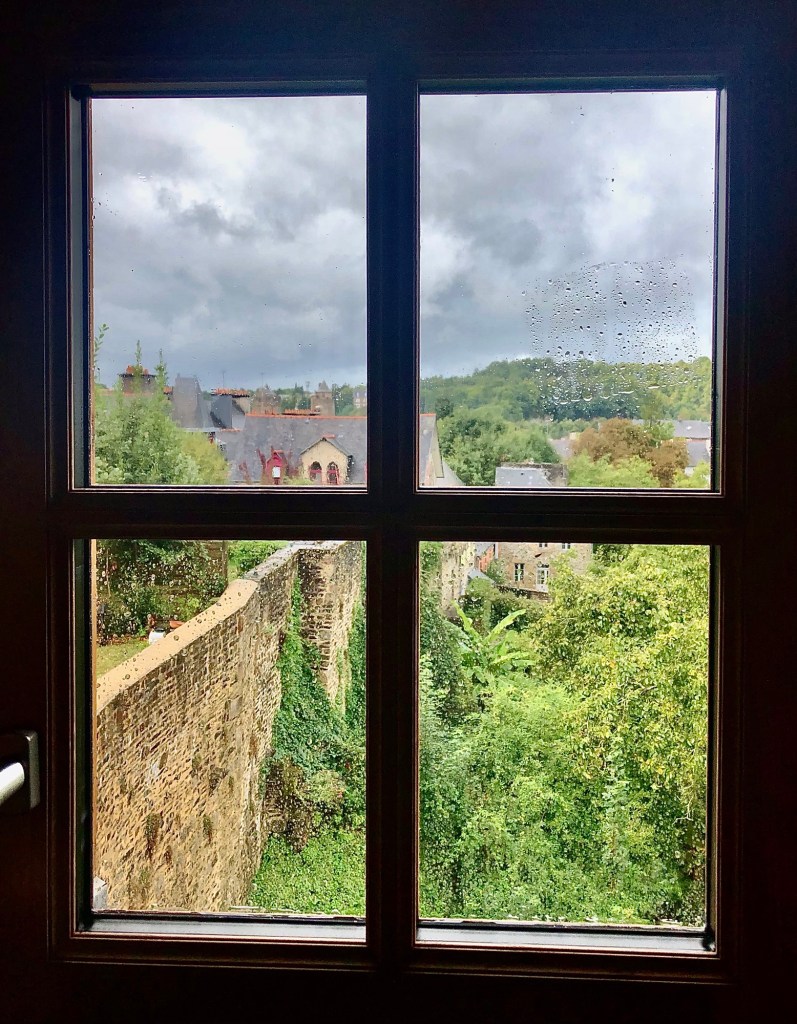
With a lot cleaning, a bit of touch-up painting and the reintroduction of furniture and decorations, our upstairs bedroom is now looking better than ever. The 180 degree views over the park and surrounding town are very pleasant. The cross-ventilation we now have in the room will be especially welcome in the summertime. And we can even have the windows open when it’s lightly raining if we want to. We are very pleased with the way the project turned out and we feel a little bit proud at how our persistence ultimately overcame the mighty bureaucratic steeplechase that had challenged us, at times almost to despair. In short, it’s made us feel, in some small way, French. And we think that’s a good thing.
 Finding Our France